
FOOD REACTION GENETIC CLARITY REVIEW
Stop Guessing About Food Reactions. See Whether Your Genes Offer Meaningful Clues.
Could Your Genes Help Explain Why You React?
Histamine may be part of the picture, but food reactions can also be shaped by gut health, hormones, inflammation, stress, nutrient status, and genetics.
The Food Reaction Genetic Clarity Review examines your existing genetic data alongside your symptoms to answer one important question:
Are there enough meaningful genetic clues to justify looking deeper?
You’ll receive a personalized report outlining your most relevant patterns, up to three practical priorities, and whether a comprehensive genomic evaluation may be worthwhile.
Are “Healthy” Foods Leaving You Feeling Worse?
Perhaps you have tried a low-histamine, gluten-free, dairy-free, low-FODMAP, low-oxalate, or another elimination diet.
Some changes may have helped—but you still do not understand why your reactions happen or why your tolerance seems to keep changing.
You may experience:
- Bloating, constipation, diarrhea, or digestive discomfort
- Headaches, migraines, or brain fog
- Skin rashes, itching, flushing, or autoimmune flares
- Anxiety, irritability, or feeling overstimulated
- Difficulty falling asleep or waking during the night
- Symptoms that become worse during perimenopause or menopause
- Unpredictable reactions to foods, supplements, medications, or alcohol
- A growing list of foods you no longer feel comfortable eating
Your symptoms alone cannot tell you whether genetics are contributing. However, reviewing your genetic patterns alongside your health history may help identify connections worth exploring.
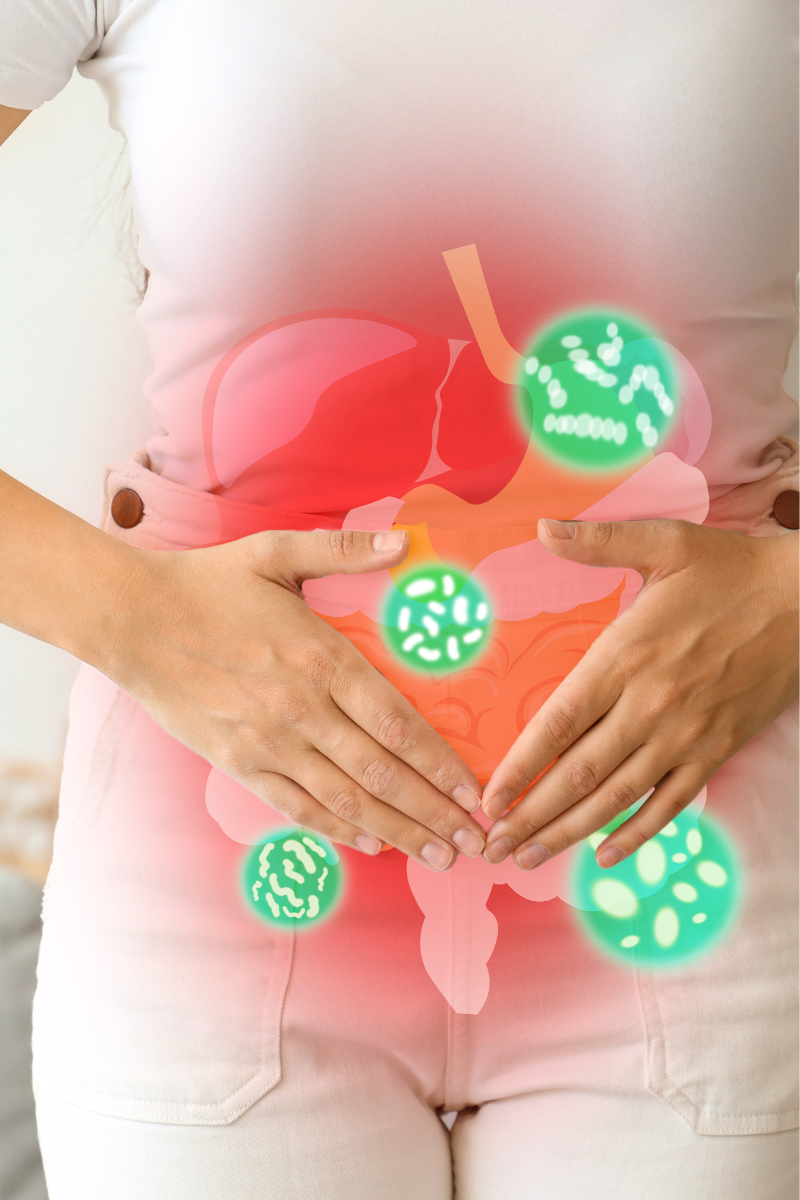
Histamine Intolerance Is Rarely Just About DAO
DAO and HNMT are two important histamine-related enzymes, but they are not the entire story.
Your ability to tolerate food may also be influenced by pathways involved in:
- Gut health and the intestinal microbiome
- Methylation and nutrient utilization
- Estrogen metabolism and hormone balance
- Inflammation and immune regulation
- Stress response and nervous-system function
- Oxidative stress and detoxification
- The processing of selected food compounds
A genetic variant does not prove that a pathway is impaired or diagnose
The purpose of the Snapshot is not to overwhelm you with hundreds of genetic variants. It is to determine which patterns—if any—deserve your attention.
The Missing Link Between Your Genes, Gut, and Food Reactions
Your genes do not act alone. Hormones, gut health, stress, sleep, inflammation, and nutrient status can all influence how your body responds to food—which is why two women can eat the same meal and have completely different reactions.
A Focused Look at the Pathways that May Matter Most

Histamine Breakdown
We will review available findings related to DAO, HNMT, and other carefully selected histamine pathways.
These findings may help us consider whether histamine breakdown inside or outside the cells deserves greater attention. Your digestive health, medications, inflammation, and nutrient status may also affect these pathways.
Gut Health & Food Tolerance
Genes such as FUT2 may influence the intestinal environment, microbiome, and mucosal health.
When relevant to your symptoms, we may also screen selected pathways related to lactose, oxalates, sulfur compounds, tyramine, or other food-reaction patterns. These findings cannot create a definitive list of foods you should or should not eat.
Methylation and Nutrient Support
The gene HNMT, which plays a role in histamine breakdown, depends in part on balanced methylation. For this reason, we will look beyond MTHFR and consider selected genes involved in folate, vitamin B12, vitamin B6, choline, and related nutrient metabolism.
This may be particularly relevant if methylated B vitamins or other supplements have made you feel worse.
Hormone, Stress, and COMT Gene
Food and histamine reactions often change during perimenopause and menopause. Selected patterns related to estrogen metabolism, methylation, stress response, and catecholamine clearance—including COMT—may help identify whether hormones or nervous-system regulation could be amplifying your symptoms.
Inflammation and Immune Regulation
Certain genetic patterns may influence how effectively the body regulates inflammatory and immune signals. When combined with digestive imbalances, hormonal shifts, autoimmunity, or chronic stress, inflammation may contribute to mast cell activity and reduced food tolerance.
Oxidative Stress and Detoxification
Oxidative stress and detoxification pathways may affect how the body responds to inflammation, environmental exposures, medications, and certain dietary compounds.
The Snapshot screens these areas for relevant clues. It does not provide a comprehensive detoxification or environmental-toxin evaluation.
Personalized Food & Supplement Decisions
Not every popular diet or supplement is appropriate for every genetic pattern. Your results help us move away from generic recommendations and toward choices that better fit your biology, symptoms, and lifestyle.
Your Genes Should Create Clarity—Not Another List of Foods and Supplements to Fear
The goal of the Food Reaction Genetic Clarity Review is to identify useful patterns without treating every genetic variant as a problem to be fixed.
how it works
How the Food Reaction Genetic Clarity Review Works
Complete Your Health History
You will complete a questionnaire covering your food reactions, digestive health, histamine-related symptoms, hormone patterns, sleep, stress, medications, supplements, and previous testing.
You will also securely provide your compatible raw genetic data, along with comprehensive instructions for accessing and loading it.
Symptoms & Genes Review
I will review your questionnaire and screen the genetic pathways most relevant to histamine breakdown, food reactions, gut health, methylation, hormones, inflammation, and nutrient utilization.
The review is carefully curated. You will not receive pages of unrelated genetic findings, rare disease associations, or confusing raw-data tables.
Your Gene Snapshot Report
Your concise report will explain your most relevant genetic and symptom patterns in approachable language.
It will identify your highest-priority patterns, up to three practical areas to focus on, important supplement or testing considerations, what your findings may—and may not—help explain, and whether a deeper genomic review appears justified.
Your 20-Minute Review
We will meet virtually to review your most important findings, discuss how they may connect to your symptoms, and answer focused questions.
This is an interpretation and direction consultation—not a comprehensive health-history review, laboratory review, or supplement-planning appointment.
The Food Reactions Genetic Clarity Review May Be for You…
You are a woman over 40 who:
Experiences food reactions that seem confusing or unpredictable
Has noticed that symptoms changed during perimenopase or menopause
Has compatible raw genertic data from a previous test
Wants personalized insight withut committing to a comprehensive genomic program
Has tried restrictive diets but still does not understand her patterns
Reacts unexpectably to foods or supplements
Wants to know whether genetics are important enouthg to investigate further
Prefers a focused starting point instead of an overwhelming genetic-data report
This Personalized Snapshot is especially helpful if you are thinking:
“I’m interested in what my genes may be telling me, but I don’t know whether there is enough here to pursue.”
what is included
Food Reaction Genetic Clarity Review

Focused Health and Food-Reaction Questionnaire
Your questionnaire helps place your genetic results within the context of your symptoms, digestive health, hormone patterns, food reactions, medications, supplements, and lifestyle.

Curated Histamine and Food-Reaction Pathway Review
Instead of receiving hundreds of disconnected findings, your review focuses on the pathways that appear most relevant to your current concerns.

Review of Your Existing Raw Genetic Data
Your compatible raw genetic data will be reviewed for selected patterns related to histamine and food reactions.
A new genetic test kit is not included in the Snapshot.

20-Minute Personalized Report Review
One-on-one consultation to review your most relevant patterns, understand how they may relate to your symptoms and food reactions, and determine whether a more comprehensive genomic investigation is warranted. See sample report.

Supplement and Testing Considerations
The Snapshot may identify supplements, nutrients, or biomarkers that deserve closer consideration.
For example, a finding may be labeled:
- Use with awareness
- Consider testing first
- Requires a fuller review
This section may identify potential sensitivities or questions to explore, but it does not include a personalized supplement protocol, product recommendations, dosing, or treatment plan.

Personalized Snapshot Report
Your report will summarize your most meaningful patterns, explain what they may help us understand, and identify up to three immediate priorities.
Findings will be categorized as:
- Your three most relevant genetic findings
- What these findings may help explain
- Is a deeper genomic review justified
Most importantly, recommendations for your next step so you stop guessing about food reactions and symptoms

Written Next-Step Recommendation
You will leave with a clear recommendation explaining whether your next focus should be genetics, gut health, hormones, inflammation, nutrition foundations, laboratory evaluation, or another integrative testing, i.e., hormone, microbiome, or organic acid test.
Your Snapshot Ends With a Clear Direction
One of the three general recommendations will be included in your report.
A Deeper Genetic Review Is Not Currently Necessary
Your available results do not reveal strong or converging patterns that justify a comprehensive genomic program at this time.
Another area—such as gut health, hormone evaluation, foundational nutrition, or medical assessment—may deserve attention first.
Some Genetic Patterns May Be Relevant
Your results contain several possible contributors, but targeted food and lifestyle changes or additional evaluation may be the most appropriate next step.
A Deeper Genomic Review Is Justified
Several patterns converge with your symptoms, health history, and food reactions.
A comprehensive genomic evaluation may help clarify how histamine clearance, methylation, hormones, gut health, inflammation, stress response, and nutrient needs interact.
There is no obligation to enroll in another program. The goal is to help you make a more informed decision about where to invest your time, energy, and healthcare dollar.
Genes Provide Direction
Your genes reveal potential strengths, vulnerabilities, and nutritional needs—but they are only part of the story. Your symptoms, health history, gut function, hormones, lifestyle, and biomarkers help determine which pathways may be active and where to focus your support.
The Food Reaction Genetic Clarity Review is designed to help you identify meaningful patterns without allowing one brightly colored SNP to send you down another dietary rabbit hole.
Histamine Gene Program
$247
Focused Health and Food-Reaction Questionnaire
Review of Existing Compatible Raw Genetic Data
Curated Histamine and Food-Reaction Pathway Anaylsis
Up to Three Practical Priorities
Supplement and Testing Conisderations
20-Minute Virtual One-on-One Review
Written Next-Step Recommendations
A new genetic test kit, laboratory interpretation, personalized supplement protocol, and ongoing consultations are not included.
Your Genes Are Not a Diagnosis
Genetic testing does not prove that a pathway is impaired, diagnose histamine intolerance , or predict exactly how you will respond to a food. Your genes reveal tendencies and potential nutritional needs.
Your Snapshot identifies tendencies and patterns that may help guide more informed nutrition and healthcare decisions.
Looking for a More Comprehensive Genomic Evaluation?
Histamine Gene Program
The $1,297 Histamine Gene Program includes a 3×4 Genetics at-home test kit, a comprehensive genomic and health review, personalized nutrition and lifestyle recommendations, relevant biomarker guidance, and three consultations.
It may be a better fit if you:
- Do not already have compatible genetic data
- Have complex or overlapping health concerns
- Want a comprehensive genomic interpretation
- Need personalized food, nutrient, lifestyle, and supplement recommendations
- Want laboratory findings interpreted alongside your genetic pathways
- Would benefit from additional consultations and implementation support
questions before commit?
Frequently Asked Questions
Is the Food Reaction Genetic Clarity Review completed virtually?
Yes. Your questionnaire, data submission, report, and 20-minute consultation are completed virtually through Practice Better, a secure client platform.
What type of genetic data can I use?
The Snapshot requires compatible raw genetic data from a previously completed consumer genetic test, such as certain versions of 23andMe or AncestryDNA.
Not every test or version includes the same genetic variants. Compatibility should be confirmed before purchasing.
Is a genetic test kit included?
No. The Snapshot uses compatible raw data you already have. You will be given comprehensive instructions on how to upload your raw data to the secure platform, Practice Better.
If you do not have usable raw genetic data, the comprehensive Histamine Gene Program includes a 3×4 Genetics test kit.
Will the Snapshot diagnose histamine intolerance?
No. Genetic findings cannot diagnose
The Snapshot identifies potential patterns to consider alongside your symptoms, health history, diet, gut health, hormones, medications, and environment.
Will this tell me exactly which foods I should avoid?
No. Genetics cannot produce a permanent yes-or-no food list.
Your report may identify pathways that could influence certain reactions, but your symptoms, current tolerance, dietary history, and overall health must also be considered.
The goal is greater understanding—not a longer list of restrictions.
Does the Snapshot include supplement recommendations?
The Snapshot may identify a potential supplement sensitivity, nutrient concern, or reason to consider laboratory testing.
It does not include a personalized supplement protocol, product selection, dosage recommendations, medication-interaction review, or ongoing adjustment.
These decisions require a more comprehensive evaluation.
What happens if my Snapshot shows that a deeper review is justified?
You may choose to continue with the comprehensive Histamine Gene Program, explore another appropriate service, or take time to consider your options. If you choose to complete the Histamine Gene Program after completing the Snapshot, you will receive $100 off the comprehensive gene program.
What if my results do not show meaningful histamine-related patterns?
That is still valuable information.
Your report may suggest that gut health, hormones, inflammation, medical evaluation, or foundational nutrition deserves greater attention than a comprehensive genomic program.
Is this a complete genomic interpretation?
No. The Snapshot is intentionally focused.
It screens selected pathways related to histamine and food reactions to determine whether enough meaningful clues are present to warrant a more comprehensive evaluation.
Stop Guessing About What Your Body Needs
You do not need hundreds of genetic results, another restrictive food list, or a cabinet full of supplements chosen from isolated SNPs.
You need to know whether your genes are providing meaningful clues—and what those clues suggest you should explore next.
Find out whether your genetic patterns deserve a deeper look.
