
Hello, I´M Eileen
I Help Women Understand Why Healthy Foods Are Suddenly Making Them Feel Worse
I’m Eileen Schutte, a clinical nutritionist and nutrigenomics counselor specializing in food reactions,
Many of the women who come to me are doing everything they have been told is “healthy”—eating nutritious foods, exercising, taking supplements, and removing suspected triggers. Yet they continue to experience bloating, headaches, skin reactions, fatigue, insomnia, brain fog, or a growing list of foods they no longer tolerate.
They are often left wondering:
Why is my body reacting to foods that are supposed to be good for me?
The answer is rarely as simple as one food or one intolerance. Food reactions can be influenced by gut health, immune activity, hormonal shifts, antibiotic history, nutrient status, stress, genetics, and the body’s ability to process compounds such as histamine.
My role is to help you connect those dots.
Using clinical nutrition, functional medicine principles, and nutrigenomics, I help women better understand their individual patterns and create practical, food-first strategies that support healing without unnecessary long-term restriction.

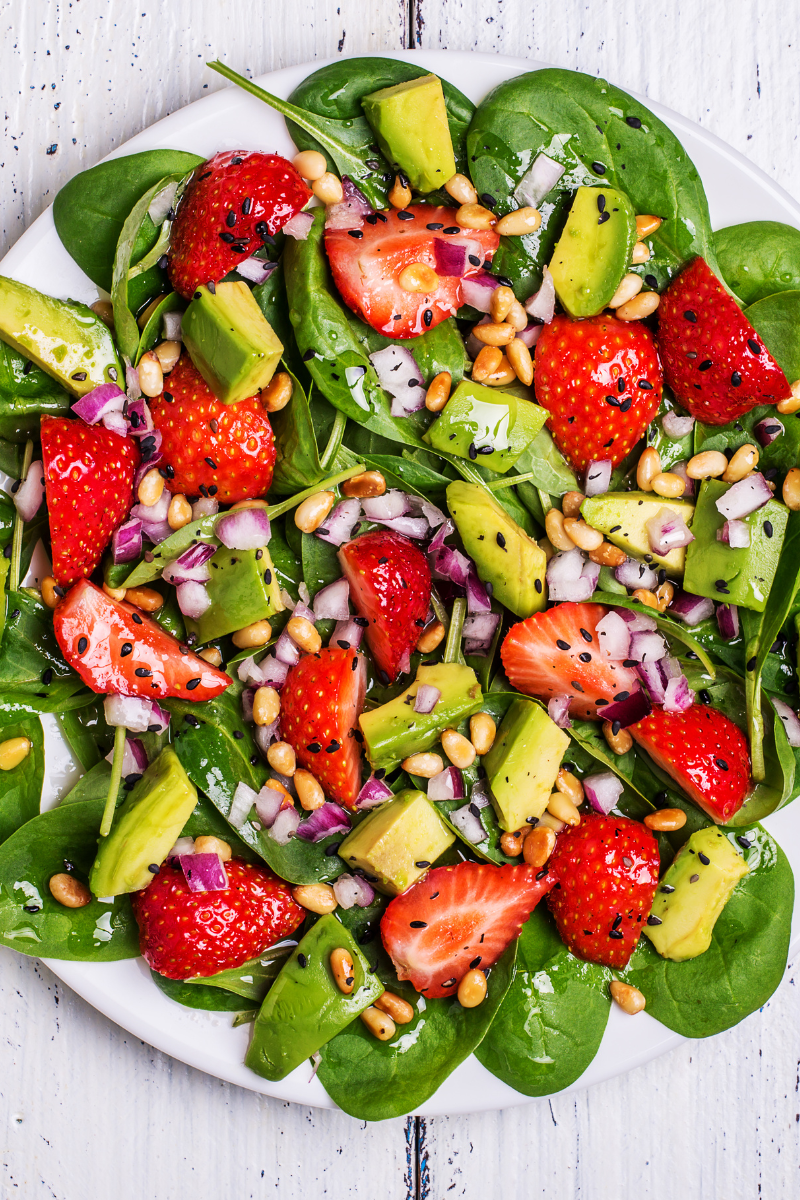
A More Personalized Way to Understand Food Reactions
When your body begins reacting to food, the natural response is to remove more and more foods. Although a temporary elimination may sometimes be helpful, restriction alone does not explain why your tolerance changed in the first place.
That is why I look beyond a list of “good” and “bad” foods.
Together, we consider the larger picture—including digestive function, the microbiome, immune and inflammatory activity, hormone balance, nutrient needs, lifestyle, and genetic pathways.
Genetic information can offer valuable clues about how your body processes histamine, supports detoxification, regulates inflammation, metabolizes hormones, and responds to specific nutrients. However, your genes are not a diagnosis or a life sentence. They are one part of your story.
My goal is to help you understand your body, make informed decisions, and move toward a more varied and nourishing diet whenever possible.
Good health should support a life you enjoy—not become a full-time job.
Beyond the science, I believe in flavorful food, joyful movement, time outdoors, and making space for the things that energize us.
a little bit about me
My Wellness & Wellness Philosophy

Look Beyond Food
If you want to be healthy, you need to make sure you are set up to be healthy. The best place to start is in the kitchen, by throwing out all processed and refined foods

Start With the Gut
Digestion, the microbiome, intestinal integrity, motility, and previous antibiotic use can all influence food tolerance. Supporting the gut is often an essential step toward expanding the diet.
Consider Hormonal Shifts
Perimenopause and menopause can change how women respond to histamine and other foods. Estrogen fluctuations, sleep disruption, stress, and changing nutrient needs may all contribute to symptoms that seem to appear without warning.

Use Genetics as a Guide
Your genetics can help explain why your needs may be different from those of your friend, sister, or favorite wellness influencer. I use genomic information to identify patterns and personalize recommendations—not to create fear or another rigid set of rules.

Choose Nourishment Over Restriction
Elimination diets may provide useful information, but they should not automatically become permanent lifestyles. Whenever appropriate, the goal is to support the body while protecting nutritional variety and gradually improving food confidence.

Make the Plan Practical
A wellness plan must work in a real kitchen and a real life. I enjoy helping women adapt the foods and meals they already love instead of handing them complicated recipes filled with expensive or unfamiliar ingredients.
Why I became a Clinical Nutritionist
My interest in nutrition began with my own long and complicated health journey.
At 23, I experienced a serious infection that left me with permanent facial paralysis from Bell’s palsy. Although the paralysis has improved considerably, the illness changed my life in ways I could not yet understand. The prolonged, high-dose antibiotics used during my treatment were followed by years of digestive problems and declining gut health.
Over time, I also struggled with hormonal imbalances, severe PMS, headaches, insomnia, brain fog, skin problems, burnout, and reactions to foods that were considered healthy.
I followed the nutrition advice available to me, which often meant removing more foods. Some restrictions helped temporarily; others made me feel worse. I was trying very hard to be healthy, but no one was helping me understand how my symptoms might be connected.
At 38, I was told that I was entering early menopause, and a hysterectomy was recommended. I felt there had to be more to investigate before making such a significant decision.
That moment changed the direction of my life.
I began researching nutrition and hormonal health and discovered that much of the generalized advice I had followed—including the low-fat philosophy popular at the time—did not reflect my individual needs.
Some symptoms improved, but I continued to struggle with headaches, disrupted sleep, brain fog, food reactions, and complete burnout. Eventually, I recognized that

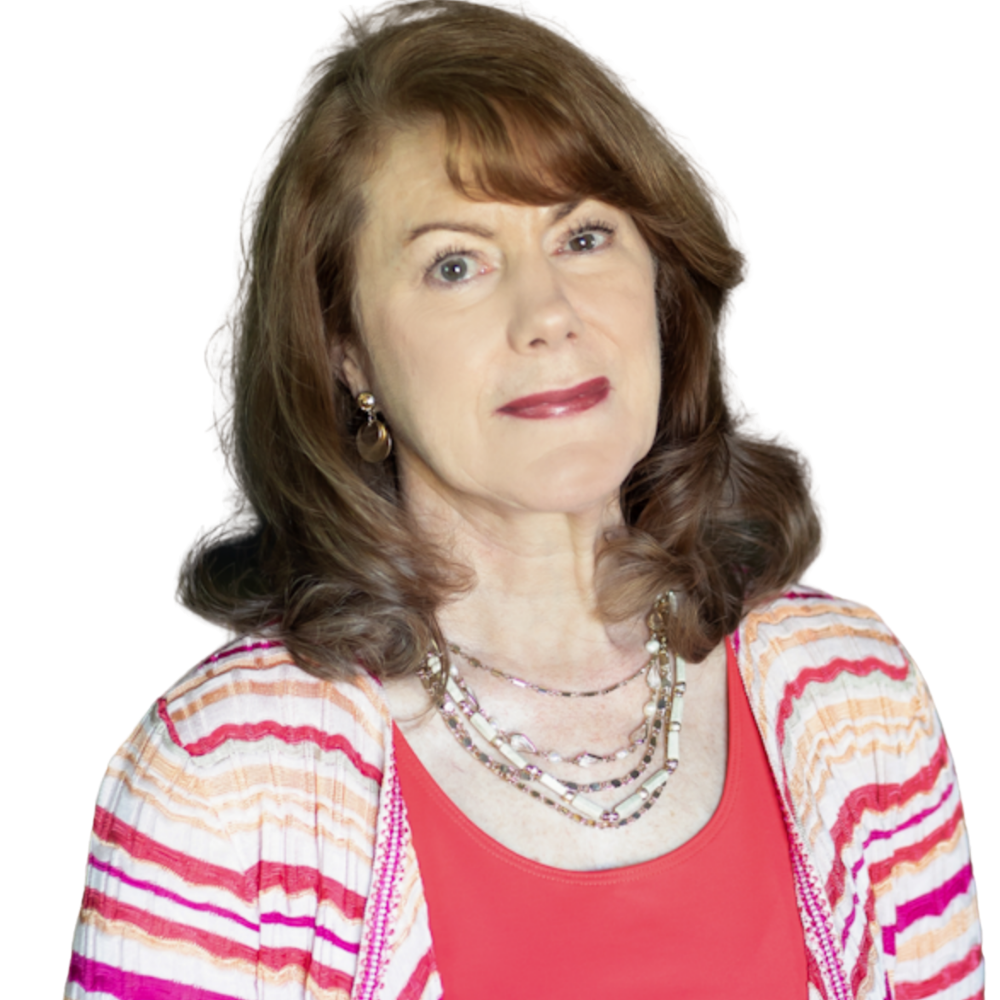
During my master’s education in clinical nutrition, I was diagnosed with psoriasis and skin cancer. These experiences deepened my determination to understand how food, lifestyle, immune regulation, and individual biology can influence health.
After completing advanced training in functional medicine nutrition, I was introduced to nutrigenomics. For the first time, I could see how genetic pathways might help explain why a seemingly healthy recommendation worked beautifully for one person but made another feel worse.
My advanced studies in Culinary Genomics later introduced me to Gut Ecology and Metabolic Modulation, or GEMM—a food-first, genomics-informed approach to supporting the gut, metabolism, and immune system. I became a qualified GEMM practitioner and began incorporating these principles into my clinical work.
This education did not give me a magical perfect diet. It gave me something much more useful: a framework for understanding individual differences.
Today, that framework shapes the way I help women navigate food reactions, gut problems, hormonal shifts, inflammation, and the confusion created by conflicting nutrition advice.
I know what it feels like to follow all the rules and still feel as though your body is working against you. I also know the relief that comes from finally understanding the patterns behind your symptoms.
That is why my work is not about taking away as many foods as possible.
It is about helping you replace fear and guesswork with clarity, confidence, and a plan that fits your body.
a few more
A Few Things About Me

When I'm Not Working
You will often find me in the kitchen, in the garden, spending time with my dogs, or enjoying being outdoors.

My Favorite Ways to Move
Tennis and pickleball keep me active, challenged, and just competitive enough to make things interesting.
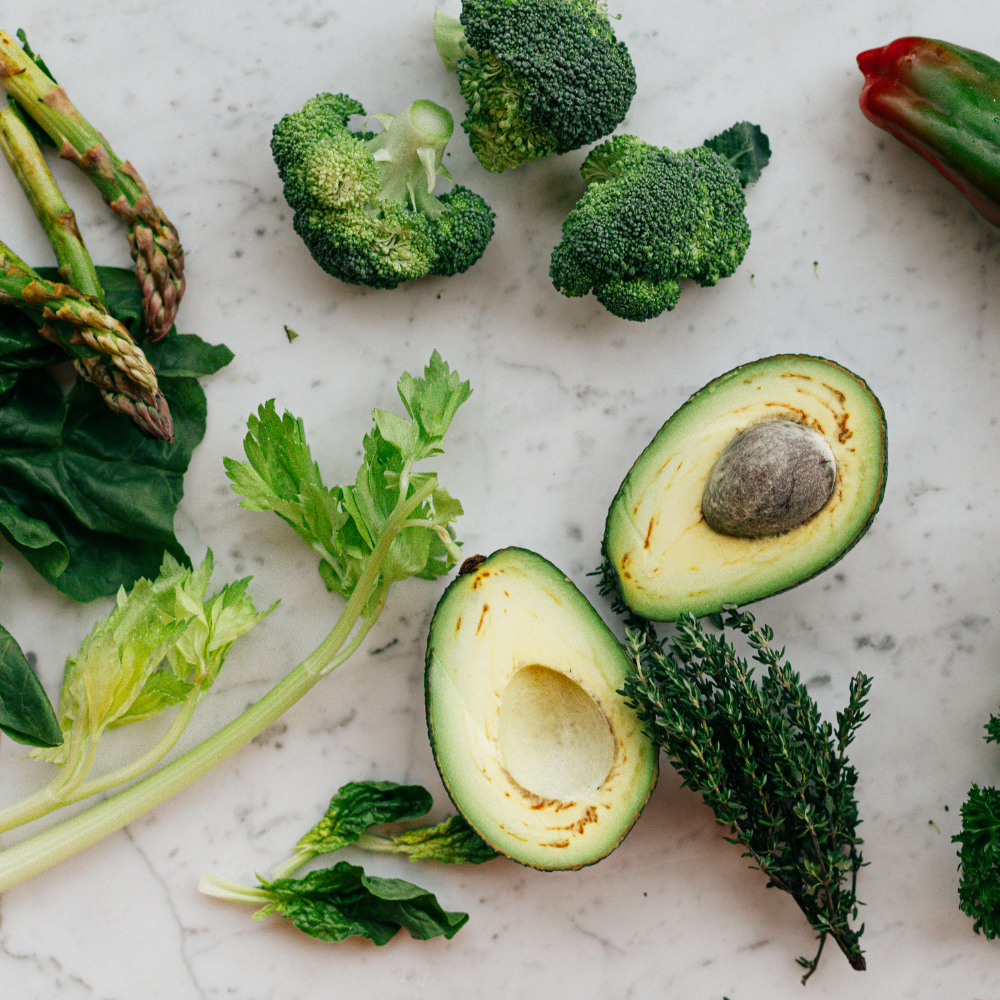
What You'll Find in My Kitchen
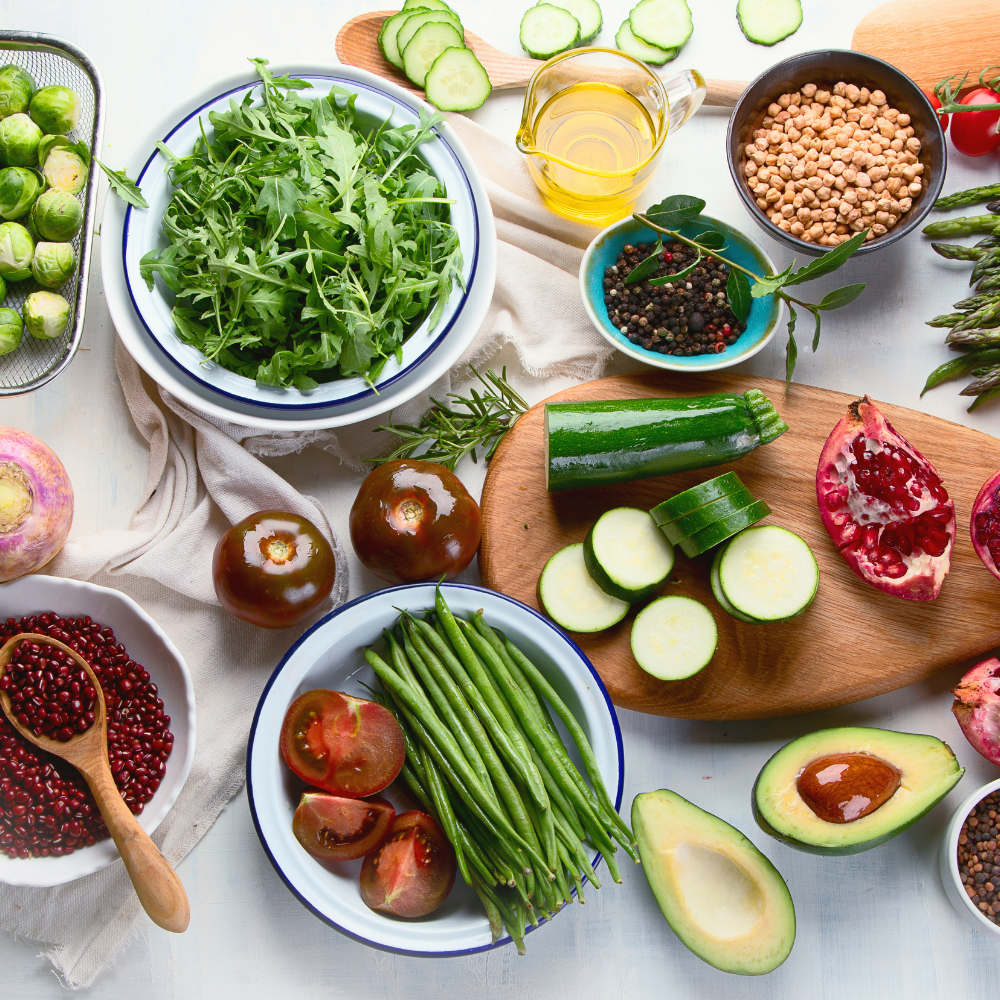
Plenty of fresh, colorful ingredients and meals designed to support health without sacrificing flavor. Nutritious food should still taste like food—not punishment on a plate.
What I Love About Cooking
Cooking is where nutrition science becomes practical. I enjoy finding simple ways to adapt familiar meals to meet different health needs without requiring a completely separate menu.
What I Could Discuss for Hours
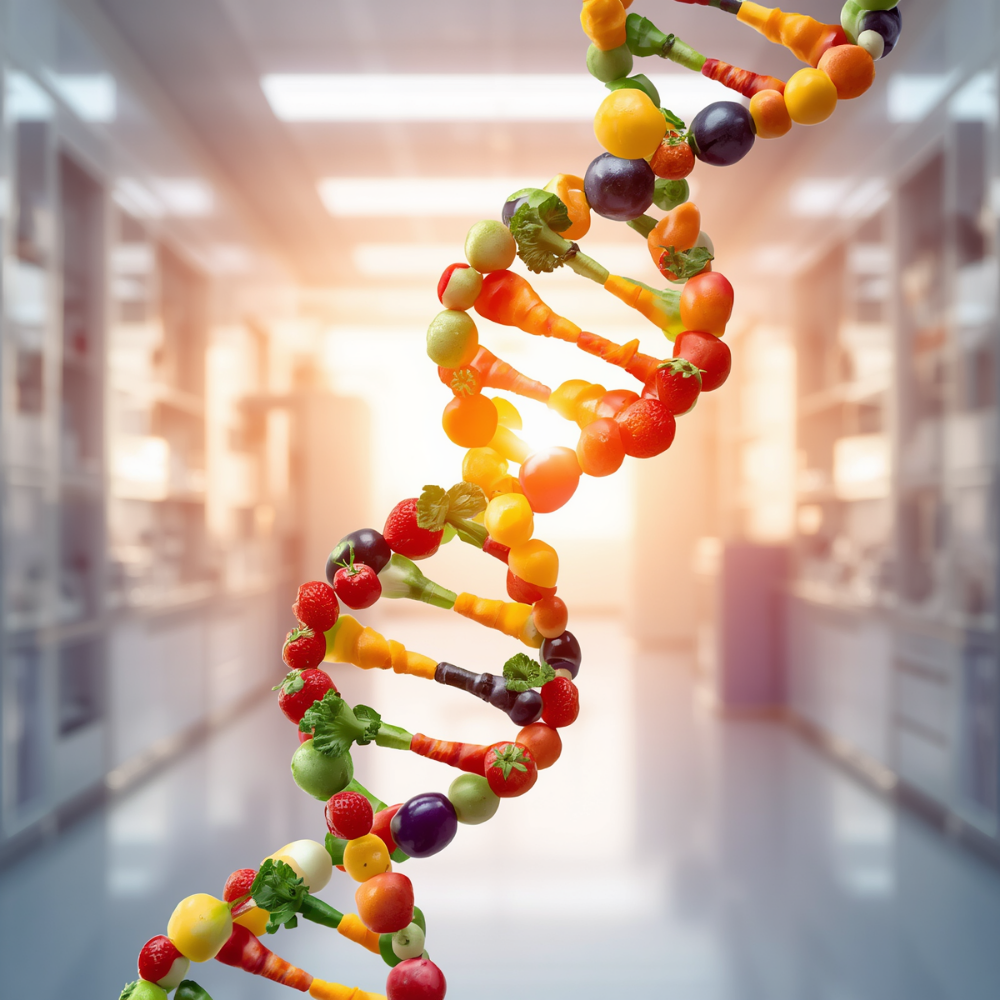
Nutrition, genomics, biochemistry, gut health, and why one person can eat avocado without a second thought while another feels personally betrayed by it.

What Continues to Inspire Me
Watching women move from confusion and restriction toward a clearer understanding of their bodies—and greater confidence in their food choices.
Professional Education and Training

Master's Education in Human Nutrition
University of Bridgeport, Connecticut — Summa Cum Laude
Advanced Functional Medicine Nutrition Training
Training in applying functional nutrition principles to complex health concerns and individualized care.
Qualified GEMM Practitioner
Integra Nutritionals Gut Ecology and Metabolic Modulation—a food-first, genomics-informed approach to gut, metabolic, and immune health.
Advanced Genomics and Culinary Genomics Coursework
Genomic Kitchen with Amanda Archibald—integrating genomic science, culinary nutrition, and personalized food strategies.
Certified LifeCode GX Consultant
Advanced education in interpreting genomic information and translating it into practical nutrition and lifestyle strategies.
Certified LEAP Therapist
Training in food sensitivity assessment and the Mediator Release Test.
Organic Acid Testing Certification
Training through Great Plains Laboratory (now Mosaic Diagnostics/MosaicDX). Advanced training in interpreting and clinically applying the Organic Acids Test (OAT).
