Reduce Histamine, Heal Your Gut, and Eat With Confidence
If you’re dealing with
You’re not imagining it.
Histamine intolerance happens when your body can’t clear histamine efficiently. This can be due to low levels of DAO (diamine oxidase)—the enzyme responsible for breaking down histamine—or because of a damaged gut lining (“leaky gut”) that allows more histamine to flood your system. Stress, infections, poor gut health, and genetics can all play a role.
While it’s important to avoid histamine-rich foods temporarily, the real goal is healing the root cause—not avoiding every food forever.
The good news? Some foods can actually help you resolve
✅ Help stabilize mast cells (which release histamine)
✅ Provide natural DAO
✅ Reduce inflammation and oxidative stress
✅ Support the gut lining and microbiome
Here are ten foods that do just that—and taste great while doing it.
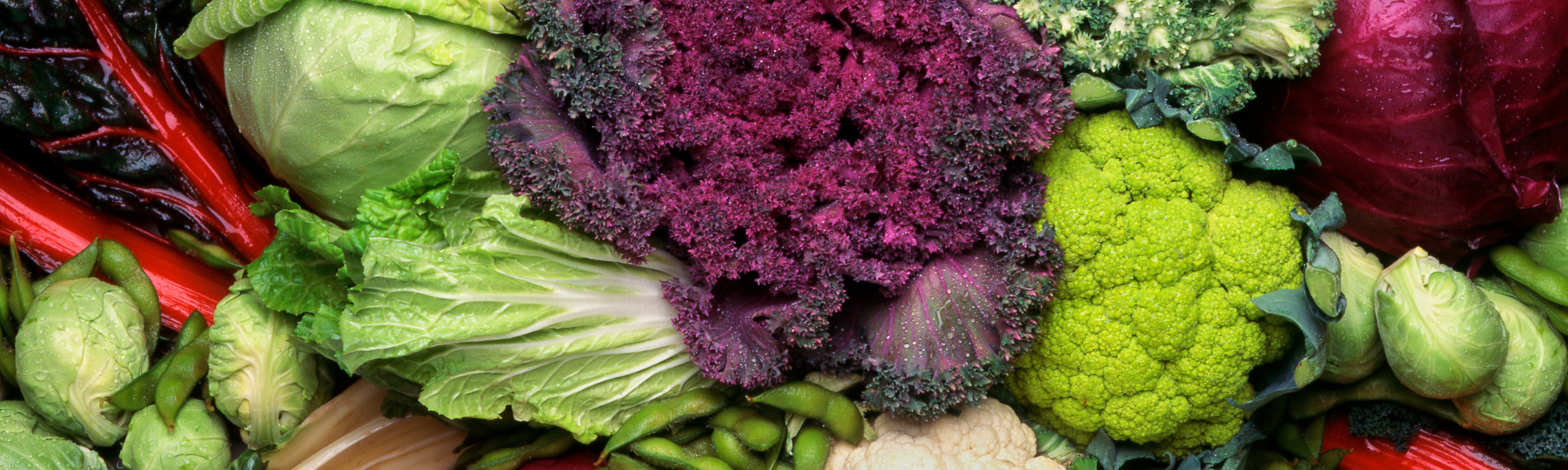
🌿 1. Cruciferous Vegetables – The Gut-Guardian
Includes: Broccoli, cauliflower, kale, Brussels sprouts, arugula, watercress, cabbage
These vegetables are rich in sulforaphane, a compound shown to support detoxification, reduce inflammation, and promote the growth of beneficial gut bacteria.
Cruciferous vegetables also support phase II liver detox, which is essential for clearing histamine and other toxins.
👉 Broccoli sprouts are the most potent source of sulforaphane. They’ve been shown to help restore gut barrier function and reduce inflammatory markers.
💡 How to eat: Add raw broccoli sprouts to smoothies or salads. Steam or roast broccoli, cauliflower, or Brussels sprouts.
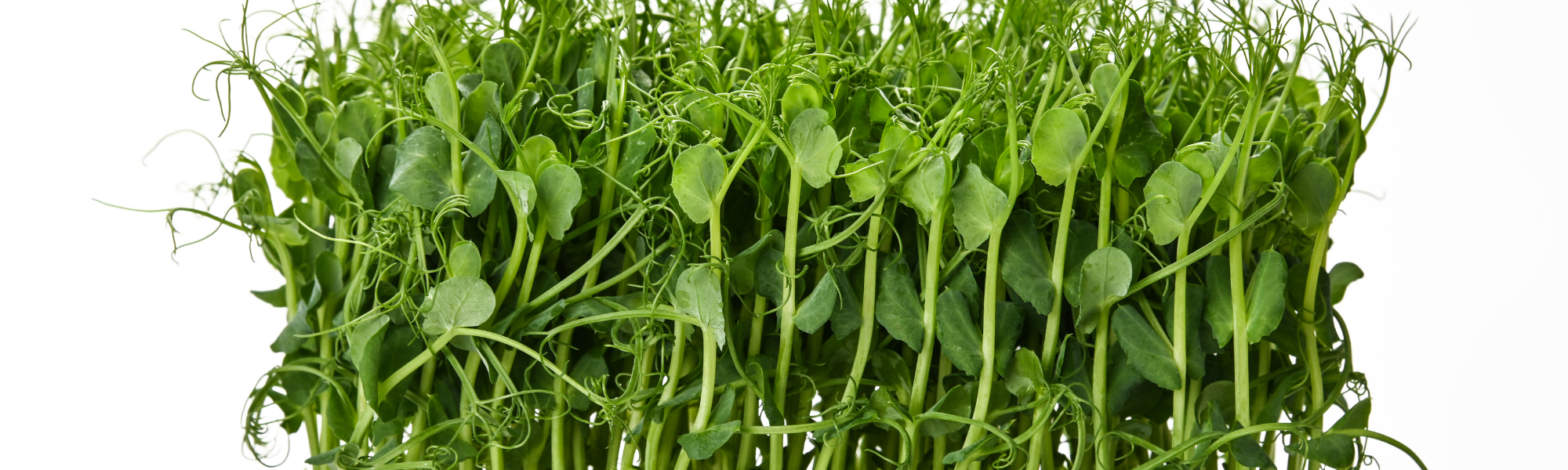
🌱 2. Pea Sprouts – Natural DAO Power
These little greens are not just trendy—they’re one of the richest food sources of DAO, the enzyme your body needs to break down histamine in the gut. DAO is often low in people with
Legumes like lentils, chickpeas, and black beans are also a rich source of naturally occurring DAO. While some lists claim they’re high in histamine, studies show that properly prepared and freshly cooked legumes are safe for most.
💡 How to eat: Toss pea sprouts into wraps, salads, or smoothies.
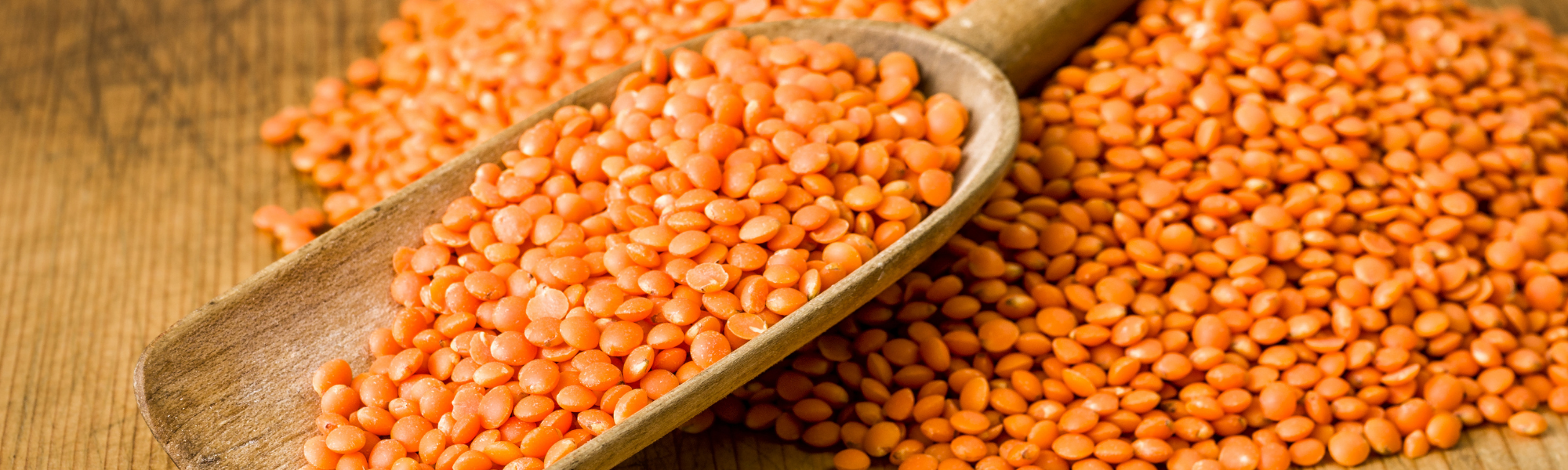
🍲 3. Red Lentils – Anti-Inflammatory and DAO-Supportive
While some food lists label lentils as high in histamine, this is often misleading. Lentils themselves are not naturally high in histamine, but the way they’re prepared and stored can affect histamine levels.
For example, fermenting lentils, though helpful for digestion, can increase their histamine content. Similarly, leftover lentil dishes—and those made with other legumes like chickpeas or beans—can build up histamine over time. To avoid this, it’s best to freeze leftovers immediately rather than storing them in the fridge.
Despite the confusion, lentils are highly nutritious. They’re rich in fiber, prebiotics, polyphenols, and essential minerals—all of which help improve gut health, reduce inflammation, and support a balanced immune system.
Among the many varieties, red lentils cook quickly and have a naturally mild, slightly sweet flavor, making them easy to digest and versatile for meals.
💡 Tip: Opt for sprouted lentils to lower lectin content, which can trigger digestive symptoms and histamine release. Combine them with anti-inflammatory ingredients like turmeric or garlic for added benefit.
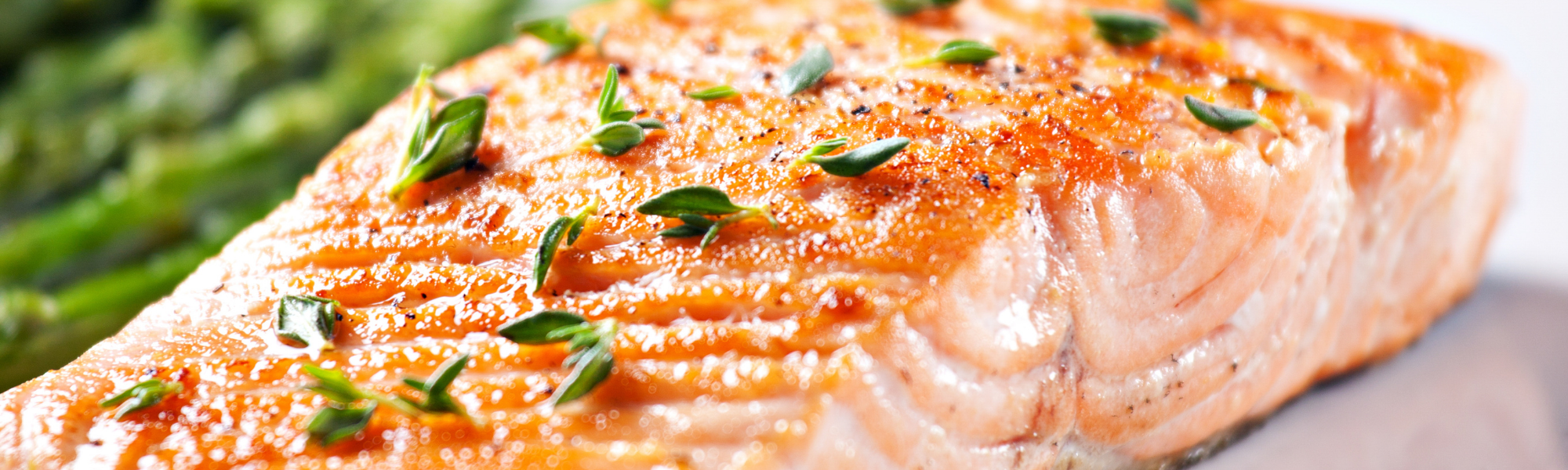
🐟 4. Fresh Salmon – Omega-3s That Soothe the Immune System
Salmon and other cold-water fish are excellent sources of omega-3 fatty acids, specifically EPA (eicosapentaenoic acid) and DHA (docosahexaenoic acid). These healthy fats have powerful anti-inflammatory effects, which can help reduce histamine levels in the body.
Omega-3s are also rich in pro-resolving mediators—compounds that support immune balance and help your body calm inflammation effectively. Because they help stabilize mast cells (which release histamine) and regulate immune responses, omega-3s have been shown to benefit conditions like asthma and allergies.
If you’re highly sensitive and can’t tolerate fish, you can still get omega-3s from plant-based sources like flaxseeds or algae-based supplements, which provide a gentler alternative.
💡 Tip: Always choose fresh, wild-caught fish when possible. Avoid canned or smoked fish, which tend to be high in histamine. If buying frozen, make sure it’s not labeled “previously frozen”, as histamine can build up during thawing and refreezing.
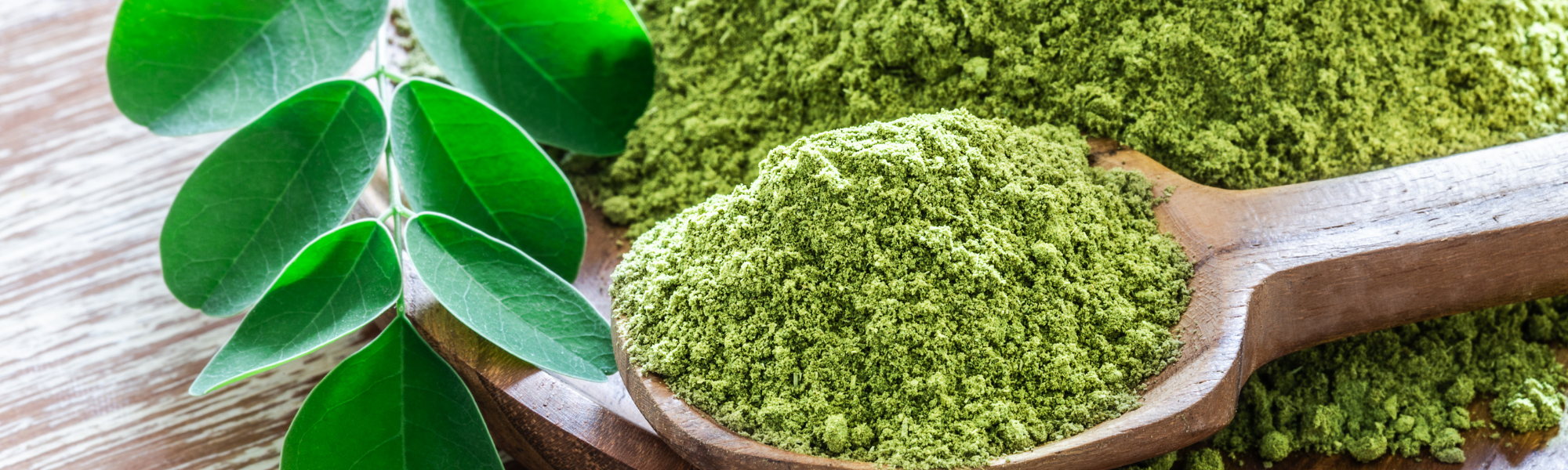
🌿 5. Moringa – The Miracle Anti-Histamine Leaf
Moringa is a powerful medicinal plant known for its antihistamine, antioxidant, and anti-inflammatory properties.
The leaves of the moringa tree are rich in polyphenols that have been shown to reduce histamine levels and suppress the release of pro-inflammatory cytokines like IL-4 and TNF-alpha.
Moringa doesn’t just target histamine—it helps regulate the early stages of allergic reactions and supports a balanced immune response, making it effective for calming inflammation and relieving allergy-like symptoms.
💡 Tip: Sip on a warm cup of moringa tea, or blend moringa powder into your smoothies for a daily antihistamine boost.
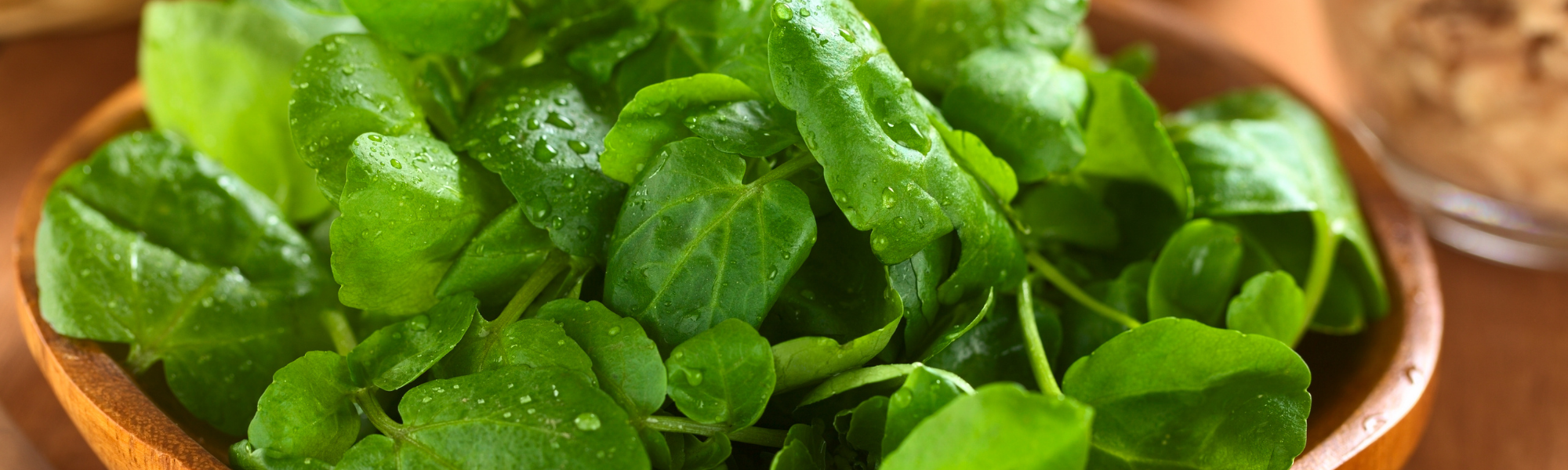
🥬 6. Watercress – The Unsung Hero
A member of the cruciferous family, watercress has been shown to inhibit histamine release by up to 60%. It’s rich in polyphenols that help calm the immune system and reduce mast cell activation.
Watercress is also a member of the cruciferous vegetable family and can be very seasonal depending on where you live. Commonly seen in Chinese cooking, where they saute with garlic, another powerful antihistamine.
💡 Tip: Sauté with garlic or eat raw in salads for a refreshing bite and healing boost. Make sure to cut off stems before cooking.
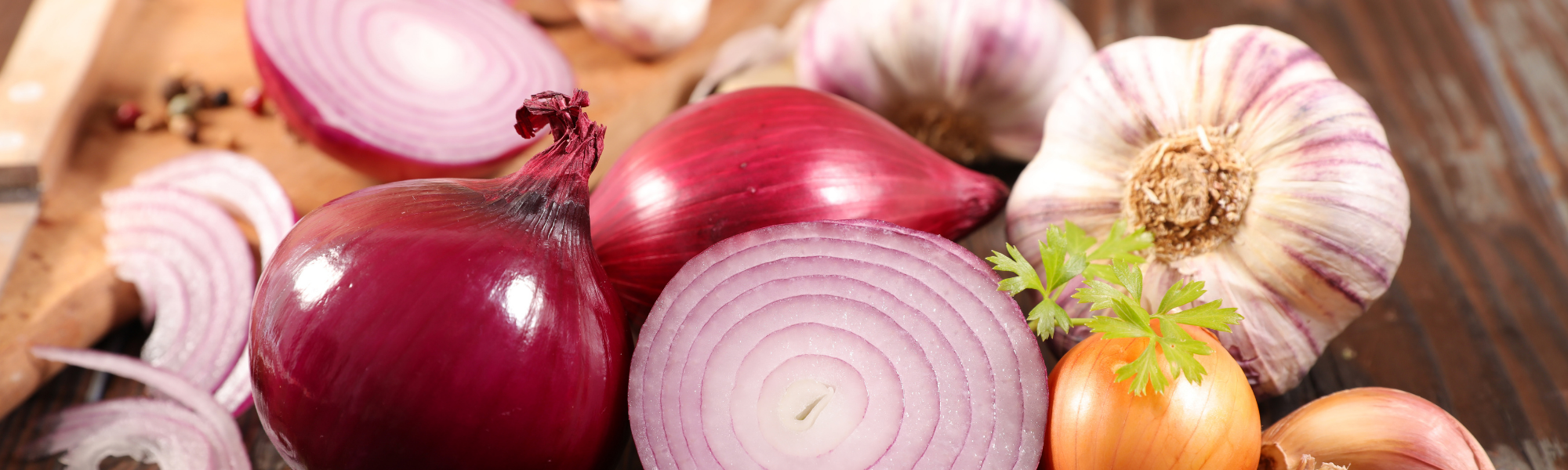
🧅 7. Onions and Garlic – Quercetin-Rich Defenders
Red onions, shallots, and garlic are rich in quercetin, a flavonoid that stabilizes mast cells and blocks the enzyme histidine decarboxylase, which your body and bacteria use to make histamine.
Cooking reduces quercetin levels slightly, but even cooked onions offer gut-healing fiber and antioxidants.
If you’re sensitive to raw garlic, try roasting garlic and use it as a spread or mix it into dressings and sauces.
💡 Tip: Eat raw red onions in salads or sandwiches to get the full antihistamine benefits.
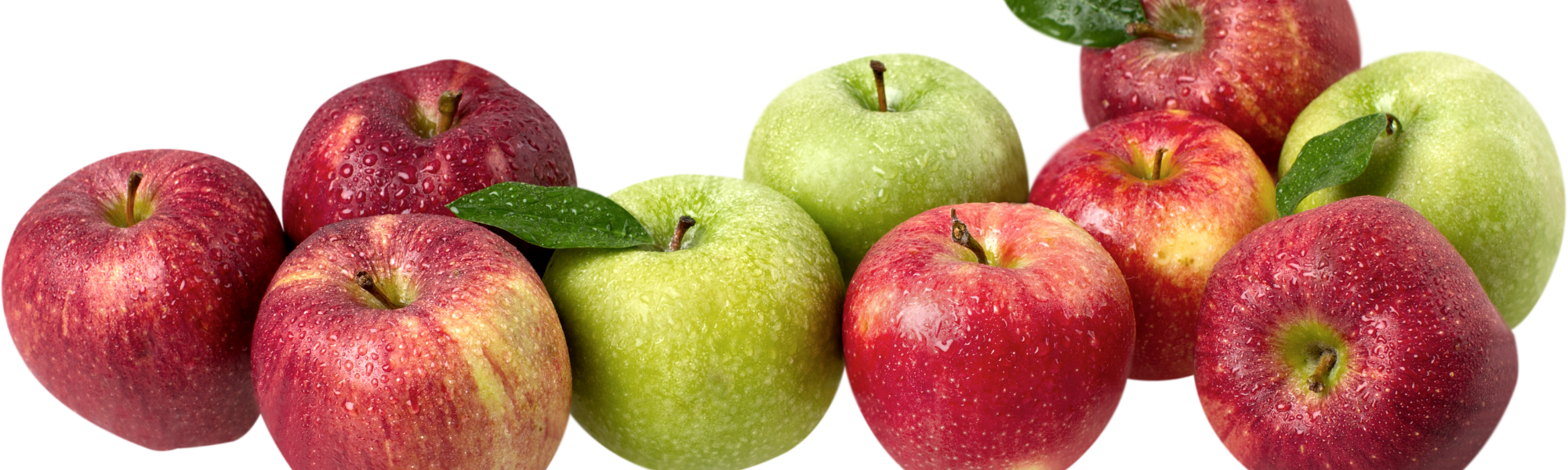
🍎 8. Apples – Polyphenol-Rich and Gut Friendly
Apples—especially their skin—are rich in quercetin, catechins, and chlorogenic acid, powerful compounds with anti-inflammatory and immune-balancing effects.
Beyond their antioxidant power, apples play a big role in gut health. They feed beneficial bacteria while helping to reduce harmful bacteria, creating a healthier balance in the gut microbiome. Research has also shown that apples encourage the growth of key microbes like Akkermansia and Roseburia—both of which produce short-chain fatty acids (SCFAs) such as butyrate, essential for gut lining repair and immune regulation.
By strengthening the gut barrier and supporting the production of anti-inflammatory cytokines like IL-10, apples help calm the immune system and reduce histamine-driven symptoms.
💡 Tip: Eat with the peel and pair with a fat like almond butter to increase polyphenol absorption especially quercetin.
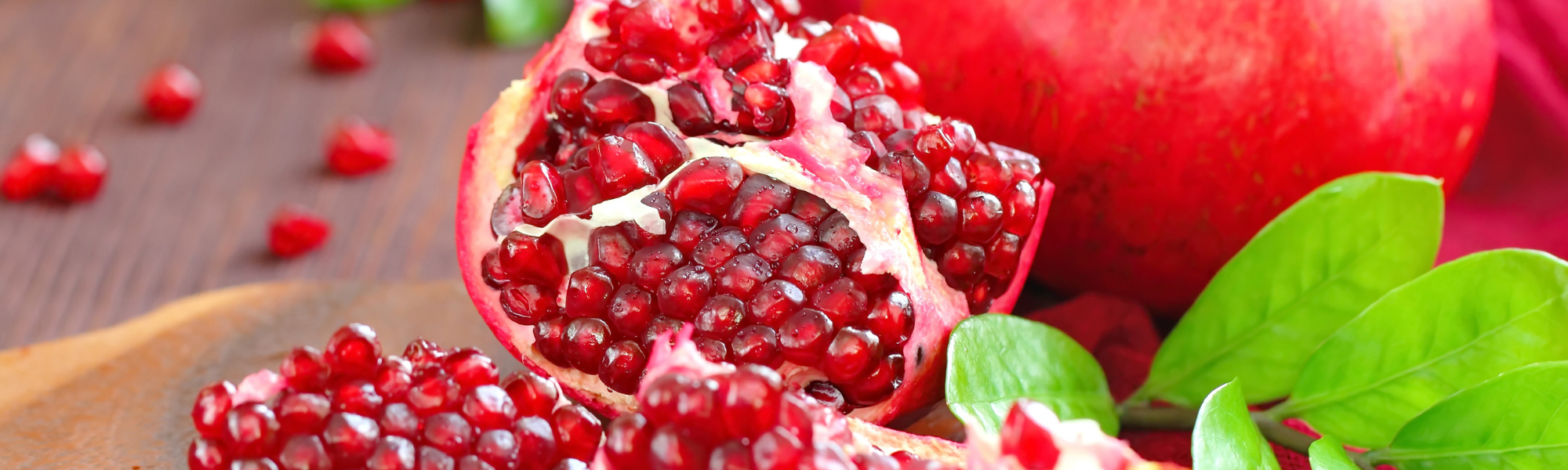
9. 🔴 Pomegranate – The Anti-Inflammatory Polyphenol Bomb!
Pomegranates are rich in ellagitannins—potent antioxidants that reduce inflammation by calming NF-κB, a “master switch” that activates many inflammatory genes.
Beyond its anti-inflammatory effects, pomegranate also nourishes beneficial gut bacteria and promotes the production of urolithin A, a compound that supports cellular repair and tissue health, helping your body balance histamine levels.
When pomegranates are in season, enjoy the fresh arils (the juicy seeds inside), but eat them soon after purchase since they have a very short shelf life.
Pomegranate juice can also be beneficial, though it’s naturally tart and can be high in sugar—especially if sweetened.
💡 Tip: For year-round benefits, use pomegranate extract or juice powder. Easy to add to smoothies, teas, or other drinks for an extra antihistamine and antioxidant boost.
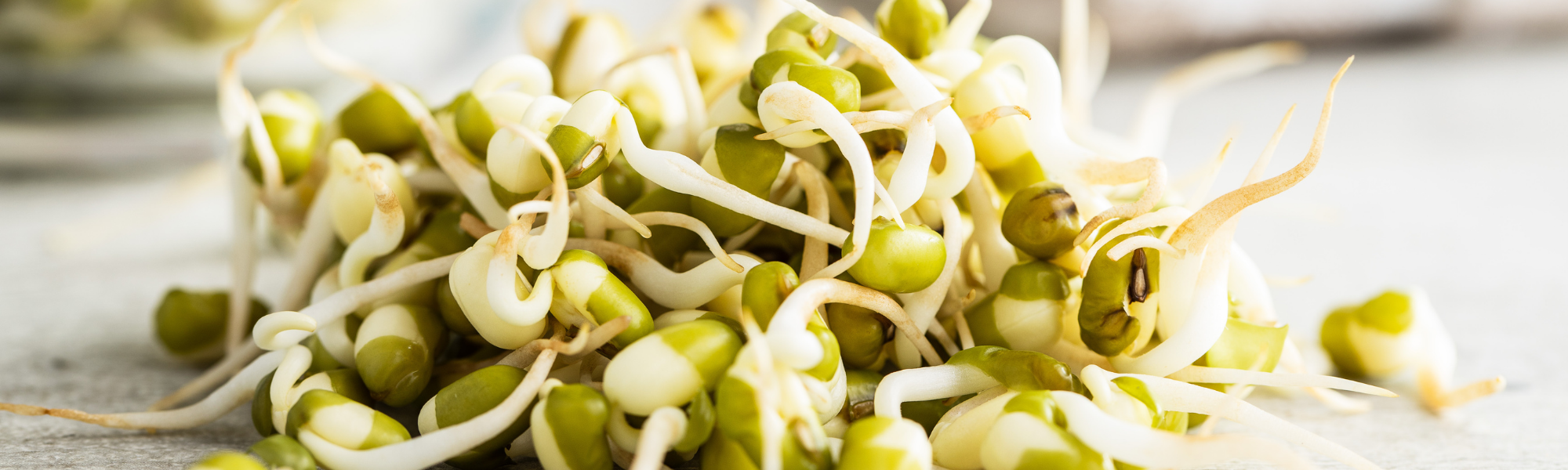
🌱 10. Mung Bean Sprouts – Mast Cell Stabilizers
Mung bean sprouts contain flavonoids like isovitexin and isoquercitrin, which have been shown to inhibit histamine release and reduce allergic symptoms. They’re especially helpful for skin-related histamine symptoms like itching or unexplained skin rashes.
Mung bean sprouts are commonly added to many different Chinese and Thai dishes, like Pad Thai. You can add them to soups, salads, and grain bowls.
They have a short shelf life, so be sure to eat them up quickly. You can get canned mung bean sprouts, but they would not be as high in antioxidants and anti-histamine properties.
💡 Tip: Add fresh mung bean sprouts to salads, grain bowls, stir fries, and even soup.
Cooking Low Histamine 4-Program
With my program, you’ll gain clarity on which foods truly trigger histamine, learn how to support your body’s histamine‑managing genes with simple, real ingredients, and confidently prepare meals (including safe leftovers!) without guesswork.
In just a month, you’ll feel empowered in your kitchen and more grounded in your healing process—no fear, just nourishing comfort that supports your body and your joy for food.
Final Thoughts
Here’s the truth: resolving
These ten superfoods help your body heal by calming the immune system, supporting gut health, and giving your body the tools it needs to break down histamine.
Too often, women come to me avoiding legumes, fruits, or healthy vegetables because of restrictive food lists. But many of those same foods are exactly what they need to resolve the intolerance—not just manage symptoms.
Healing starts with nourishing your body—not fearing your food.
📚 References
-
Alexander, R., Khaja, A., Debiec, N., Fazioli, A., Torrance, M., & Razzaque, M. S. (2024). Health-promoting benefits of lentils: Anti-inflammatory and anti-microbial effects. Current Research in Physiology, 7, 100124. https://doi.org/10.1016/j.crphys.2024.100124
-
Jun, M., & Arita, M. (2016). Role of omega-3 fatty acids and their metabolites in asthma and allergic diseases. Allergology International, 65(4), 408–416. https://doi.org/10.1016/j.alit.2016.06.004
-
Singh, B. N., Singh, B. R., Singh, R. L., Prakash, D., Dhakarey, R., Upadhyay, G., & Singh, H. B. (2009). Oxidative DNA damage protective activity, antioxidant and anti-quorum sensing potentials of Moringa oleifera. Food and Chemical Toxicology, 47(6), 1109–1116. https://doi.org/10.1016/j.fct.2009.01.034
-
Li, Y., Yang, F., Zheng, W., Hu, M., & Wang, J. (2020). Pomegranate polyphenols reduce allergic airway inflammation by inhibiting NF-κB signaling. Journal of Nutritional Biochemistry, 81, 108378. https://doi.org/10.1016/j.jnutbio.2020.108378
-
Kim, H. J., Kang, J. S., Kim, H. S., & Chung, S. Y. (2012). Antihistamine effect of watercress (Nasturtium officinale) extract on mast cell-mediated allergic response. Phytotherapy Research, 26(3), 438–443. https://doi.org/10.1002/ptr.3559
-
Zhao, W., Li, X., Xu, Y., & Wang, C. (2018). Antiallergic activity of flavonoids from mung bean sprouts (Vigna radiata). International Immunopharmacology, 55, 248–254. https://doi.org/10.1016/j.intimp.2017.12.015


Eileen Schutte, MS, CN, FMN – One of my greatest passions is helping clients overcome food intolerances, such as histamine intolerance and sensitivities, so they can enjoy food again. My other passion is genomics, focusing on histamine intolerance genes and how nutrition and lifestyle changes can support them. I hold a master’s degree in functional nutrition from the University of Bridgeport, Connecticut, graduating Summa Cum Laude. After completing my master’s degree, I earned my certification in Functional Medicine Nutrition and completed advanced genomic courses through Genomic Kitchen. I am also a GEMM (Gut Ecology, Metabolic Modulation) practitioner, and this program is the basis of my Food Tolerance Gut Restoration Program.