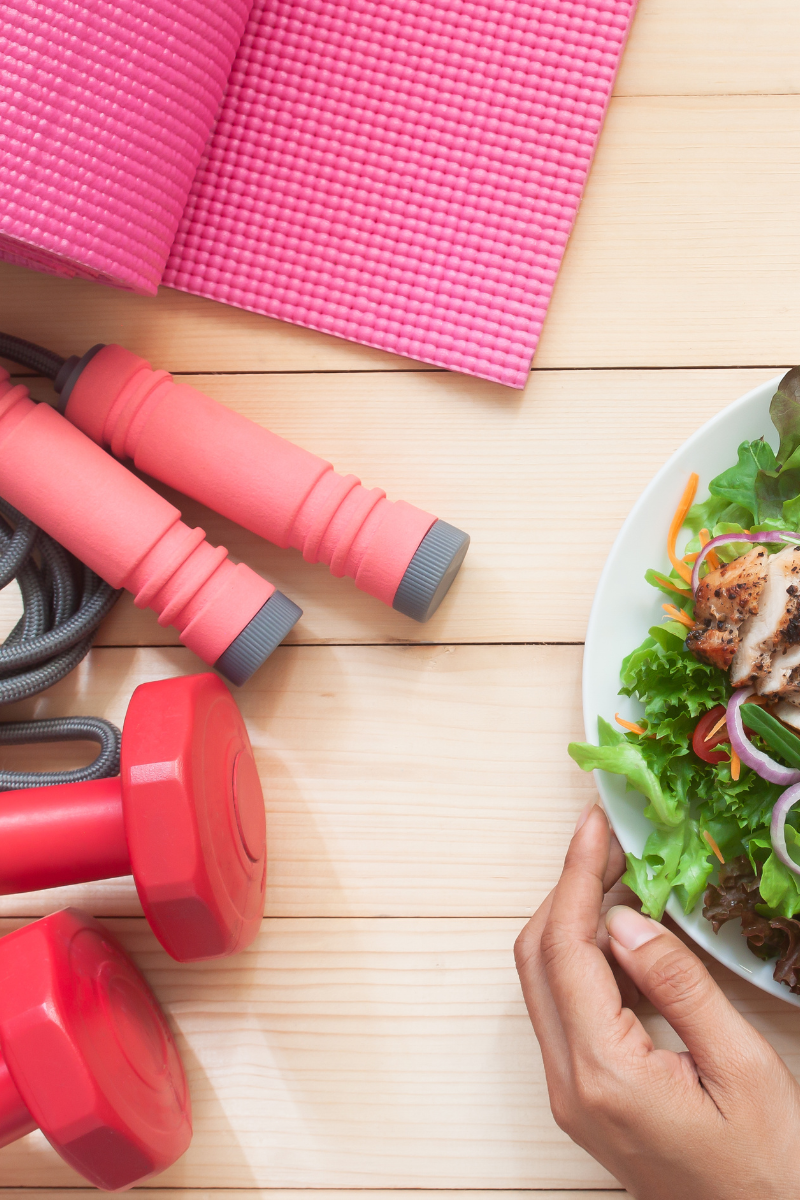
Many women with histamine intolerance notice that exercise can sometimes leave them feeling worse instead of better.
You head out for a long walk, a pickleball match, strength training, or a cardio class expecting that healthy “exercise high”… but instead you end up shaky, exhausted, flushed, congested, anxious, or wide awake at 3:00 a.m.
Sound familiar?
Histamine may be part of the reason.
Research now shows that histamine is naturally released during exercise and plays an important role in blood flow, inflammation, glucose delivery, and muscle recovery.
Exercise itself is not “bad” for
And in many cases, the problem is not only the workout.
It is also what you are — or are not — eating before and after exercise.
Exercise Naturally Increases Histamine
Histamine is often viewed only as the “allergy chemical,” but it actually has many jobs throughout the body.
Researchers have found that histamine helps regulate blood flow to muscles during and after exercise, supports glucose delivery to recovering muscles, and even influences inflammation and tissue repair.
Exercise also increases oxidative stress and muscle breakdown, which is part of how the body becomes stronger and more resilient over time.
The challenge is that women with
If you are already dealing with poor sleep, hormone imbalances, digestive issues, blood sugar swings, or chronic stress, intense exercise can trigger a larger histamine response.
This may help explain why some women develop symptoms such as headaches, skin rashes, digestive upset, anxiety, congestion, or a racing heart after intense exercise.
Others may notice early morning waking and headaches, which can occur when histamine levels surge during the night—a process often referred to as histamine dumping.
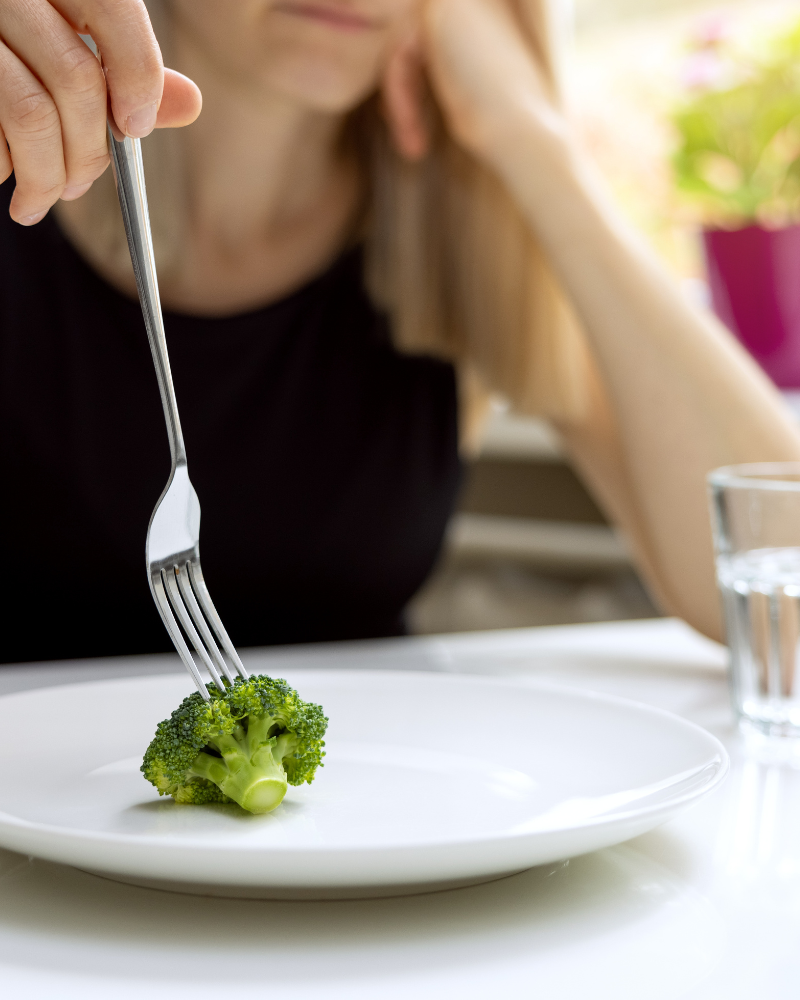
And unfortunately, many women unintentionally make recovery harder by skipping meals after workouts, relying only on coffee before exercise, avoiding carbohydrates, or trying to “save calories.”
Your body does not interpret that as discipline. It interprets it as stress.
Carbohydrates Are Not the Enemy
One of the biggest myths in wellness culture is that carbohydrates are “bad.”
In reality, carbohydrates are the body’s preferred fuel source during exercise. They help stabilize blood sugar, replenish muscle glycogen, support cortisol balance, improve recovery, and even help support sleep after a workout.
Research in sports nutrition shows that the body becomes especially responsive to nutrients before and after exercise, particularly carbohydrates and protein.
Without enough fuel, stress hormones remain elevated longer. And for women with
Why Protein Matters More After 40
Exercise naturally breaks down muscle tissue, but recovery is where the body rebuilds and becomes stronger.
Protein after exercise helps stimulate muscle protein synthesis — the process your body uses to repair and maintain muscle tissue.
This becomes especially important for women over 40 because muscle health directly affects metabolism, blood sugar regulation, strength, bone health, and healthy aging.
Combining protein with carbohydrates also helps provide more stable energy and reduces blood sugar swings after exercise.
Best Low-Histamine Protein Sources
Protein can be challenging on a low-histamine diet because many convenient options are aged, fermented, cured, or highly processed. Foods such as deli meats, jerky, bacon, sausage, and some protein bars may trigger symptoms in sensitive women.
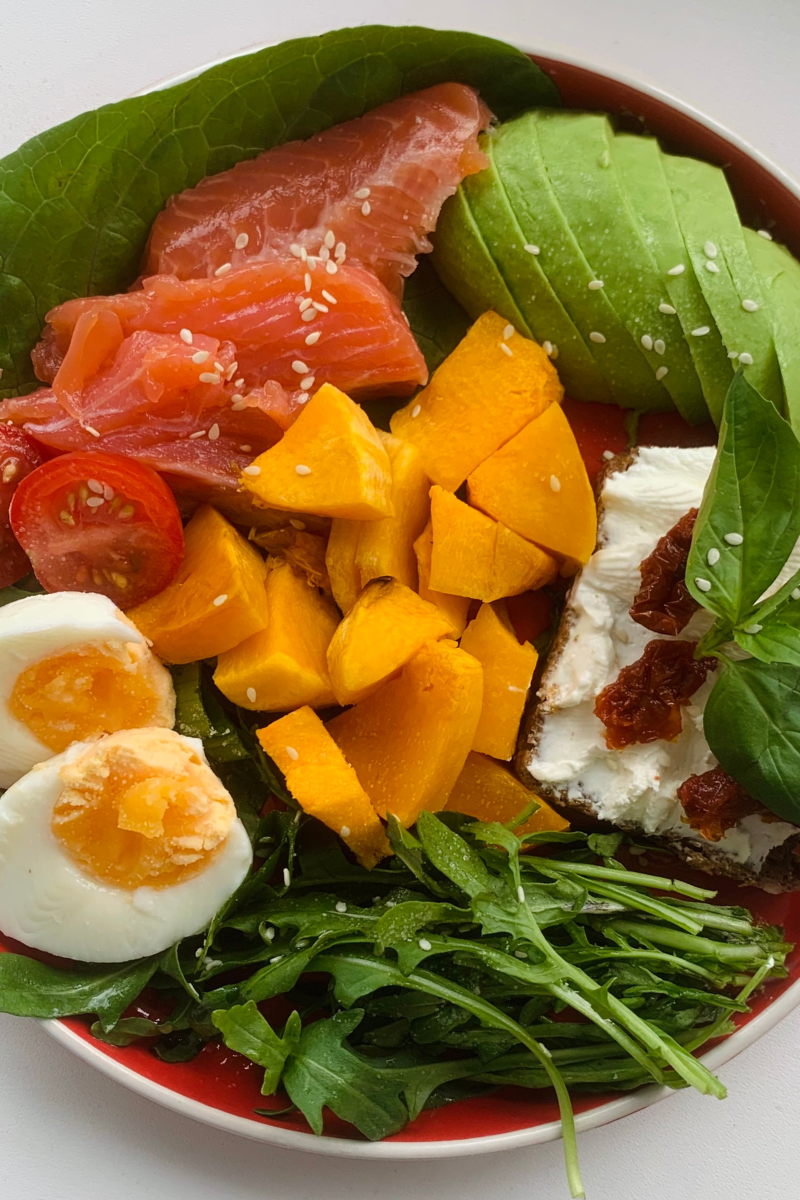
Freshly prepared proteins are often the best choice, including chicken, turkey, and freshly cooked fish.
If you tolerate dairy, cottage cheese, ricotta cheese, and fresh mozzarella can also provide quality protein with lower histamine levels than aged cheeses.
For post-workout recovery, whey protein isolate is often an excellent option because it is rich in leucine, a branched-chain amino acid that supports muscle repair.
If dairy doesn’t work well for you, organic non-GMO soy protein or balanced plant-based blends containing pea, pumpkin seed, and hemp proteins can provide a more complete amino acid profile.
Want to learn more about selecting, storing, and preparing low-histamine protein foods? Learn more in my Histamine Confidence Kit Program.

What Should You Eat Before Exercise?
The goal of pre-workout nutrition is to give your body steady energy and help reduce excessive stress during exercise.
You do not need fancy sports drinks, expensive bars, or neon-colored powders that look like they belong in a science lab. Simple foods often work best.
A balanced pre-workout snack or meal should include carbohydrates plus some protein.
- Overnight oats with protein powder and berries
- Smoothie with protein powder, blueberries, and raspberries
- Greek yogurt (if tolerated) with almonds and pomegranate
- Gluten-free or whole-grain toast, almond butter, cottage cheese with berries
If you are exercising longer than 60 minutes or doing intense workouts in the heat, adding carbohydrates during exercise may also help support energy and recovery.
What Should You Eat After a Workout to Reduce Histamine?
What you eat after exercise plays an important role in how well your body recovers. During exercise, your muscles use stored carbohydrates (glycogen) for energy while also experiencing a small amount of muscle breakdown.
Replenishing those nutrients afterward helps restore energy reserves, support muscle repair, and reduce overall stress on the body.
Research suggests that combining carbohydrates with protein shortly after exercise is one of the most effective ways to support recovery. While pre-workout nutrition tends to emphasize carbohydrates for fuel, post-workout nutrition should prioritize high-quality, easily digested protein, along with carbohydrates, to replenish glycogen stores.
This combination helps stimulate muscle protein synthesis—the process your body uses to repair and maintain muscle tissue—while also supporting recovery, strength, and healthy body composition.
Including antioxidant-rich foods after exercise may provide additional benefits by helping the body manage the oxidative stress that naturally occurs during physical activity.
For women with
The goal isn’t perfection. It’s giving your body the nutrients it needs to recover so that exercise becomes a tool for building resilience rather than another source of stress.
Should You Use Electrolytes?
Hydration matters more than many women realize.
As body temperature rises during exercise, histamine release can increase as part of the body’s cooling response. Staying hydrated may help reduce that stress response.
In many cases, water is enough. But if you sweat heavily, exercise in the heat, or do longer workouts, electrolytes may be helpful.
That said, not all electrolyte products are ideal for women with
histamine intolerance . Some contain excessive sodium, artificial dyes, high sugar loads, or added B-vitamins that may overstimulate sensitive individuals.
This is especially important for women with certain methylation or COMT gene variants, who may experience increased anxiety when taking high-dose B vitamins.
Magnesium is another important nutrient often missing from electrolyte formulas, despite its important role in muscle recovery, stress regulation, and sleep.
Could Your Genes Help Explain Why You React?
The Food Reaction Genetic Clarity Review examines your existing genetic data alongside your symptoms to answer one important question:
Are there enough meaningful genetic clues to justify looking deeper?
You’ll receive a personalized report with up to three practical priorities and whether a comprehensive genomic evaluation may be worthwhile.
The Takeaway
Exercise is not the enemy.
In fact, movement is incredibly important for healthy aging, blood sugar balance, hormones, mood, bone health, and stress resilience.
But women with
Under-fueling, skipping meals, overtraining, poor sleep, and relying only on caffeine can increase stress hormones and make histamine symptoms worse.
The good news?
Sometimes the solution is not exercising less.
It is recovering better.
The right balance of carbohydrates, protein, hydration, and antioxidant-rich foods can help your body handle exercise stress more effectively, improve recovery, and reduce that dreaded “histamine exercise crash.”
References
-
Jochum, C. Histamine Intolerance: Symptoms, Diagnosis, and Beyond. Nutrients. 2024;16(8):1219. https://doi.org/10.3390/nu16081219
-
Kerksick, C. M., et al. International Society of Sports Nutrition position stand: nutrient timing. Journal of the International Society of Sports Nutrition. 2017;14:33.
-
Luttrell, M. J., & Halliwill, J. R. The Intriguing Role of Histamine in Exercise Responses. Exercise and Sport Sciences Reviews. 2017.
-
Powers, S. K., & Jackson, M. J. Exercise-Induced Oxidative Stress: Cellular Mechanisms and Impact on Muscle Force Production. Physiological Reviews. 2008;88(4):1243–1276.
-
Wang, Y., et al. Targeting Histamine in Metabolic Syndrome: Insights and Therapeutic Potential. Biomedicine & Pharmacotherapy. 2024.


Eileen Schutte, MS, CN, FMN – One of my greatest passions is helping clients overcome food intolerances, such as histamine intolerance and sensitivities, so they can enjoy food again. My other passion is genomics, focusing on histamine intolerance genes and how nutrition and lifestyle changes can support them. I hold a master’s degree in functional nutrition from the University of Bridgeport, Connecticut, graduating Summa Cum Laude. After completing my master’s degree, I earned my certification in Functional Medicine Nutrition and completed advanced genomic courses through Genomic Kitchen. I am also a GEMM (Gut Ecology, Metabolic Modulation) practitioner, and this program is the basis of my Food Tolerance Gut Restoration Program.