If you’ve been living with
I’ve taken high-dose B-vitamins after finding out I had the MTHFR gene variant—thinking it would help me detox better—only to end up with tingling hands, racing thoughts, and sleepless nights.
I once tried oral glutathione supplements to calm down a psoriasis flare, only to have the flare get worse. It’s frustrating, confusing, and yes—humbling.
Through personal experience and years of working with clients, I’ve learned that while certain nutrients can help build histamine tolerance, others can quietly make things worse. Sometimes much worse.
That’s why it’s critical to understand not just what a supplement promises, but how it behaves in the context of histamine metabolism, oxidative stress, and your unique genetic makeup.
Let’s explore seven common “wellness stack” additions that may be quietly sabotaging your efforts to feel better.
Understanding Histamine Intolerance in a Nutshell
Histamine is a chemical naturally produced in your body. It plays many roles—supporting digestion, immune defense, and brain function.
But when histamine builds up faster than your body can break it down, symptoms begin to appear. Think flushing, headaches, hives, itchy skin, bloating, diarrhea, insomnia, and even anxiety.
Normally, an enzyme called diamine oxidase (DAO) breaks down histamine in the gut, while another enzyme, histamine-N-methyltransferase (HNMT), works inside cells.
Supplements that interfere with DAO activity, increase histamine production, or create too much oxidative stress can tip the scales against you. Leading to symptoms that feel unpredictable and hard to pin down.
1. N-Acetylcysteine (NAC) - Not so "Neutral"
NAC is a supplement widely recommended for its antioxidant and detox-supporting benefits. It’s often found in “natural antihistamine” blends or used to boost glutathione production.
In Europe and other countries, it’s even prescribed as a medication to treat acetaminophen (Tylenol) overdoses.
But here’s the twist: while NAC may help some people, it’s not always friendly to those with
Research shows that NAC can significantly inhibit DAO activity—up to 30% in some studies. This means your body’s ability to break down histamine is reduced from the start.
NAC may also suppress a master gene known as Nrf2, which is essential for your body’s natural production of antioxidants like glutathione and superoxide dismutase (SOD).
So, surprisingly, a supplement designed to reduce oxidative stress, inflammation, and histamine can actually impair your body’s own antioxidant defense system.
That’s why many with
2. Vitamin C - When More Isn't Better
We all know vitamin C is important. It supports immune health, helps build collagen, and yes—it even contributes to DAO production.
But like many things, more isn’t always better.
Most people can absorb only about 200 to 400 mg of vitamin C at a time. When you take 1,000 mg or more—something that’s often recommended during cold and flu season—the extra vitamin C is excreted.
Or it may cause gastrointestinal side effects, such as cramping or diarrhea. That’s why it’s sometimes even used as a remedy for constipation.
But there’s another reason to be cautious: high-dose vitamin C can increase the production of oxalates. These sharp, crystal-like compounds are known to increase inflammation, irritate tissues, and trigger histamine release in sensitive individuals.
Oxalates can also contribute to joint pain and kidney stone formation.
And emerging evidence suggests that mega-doses of vitamin C may slow you body’s ability to make glutathione. In other words, your body becomes reliant on external antioxidants and slows down its internal production.
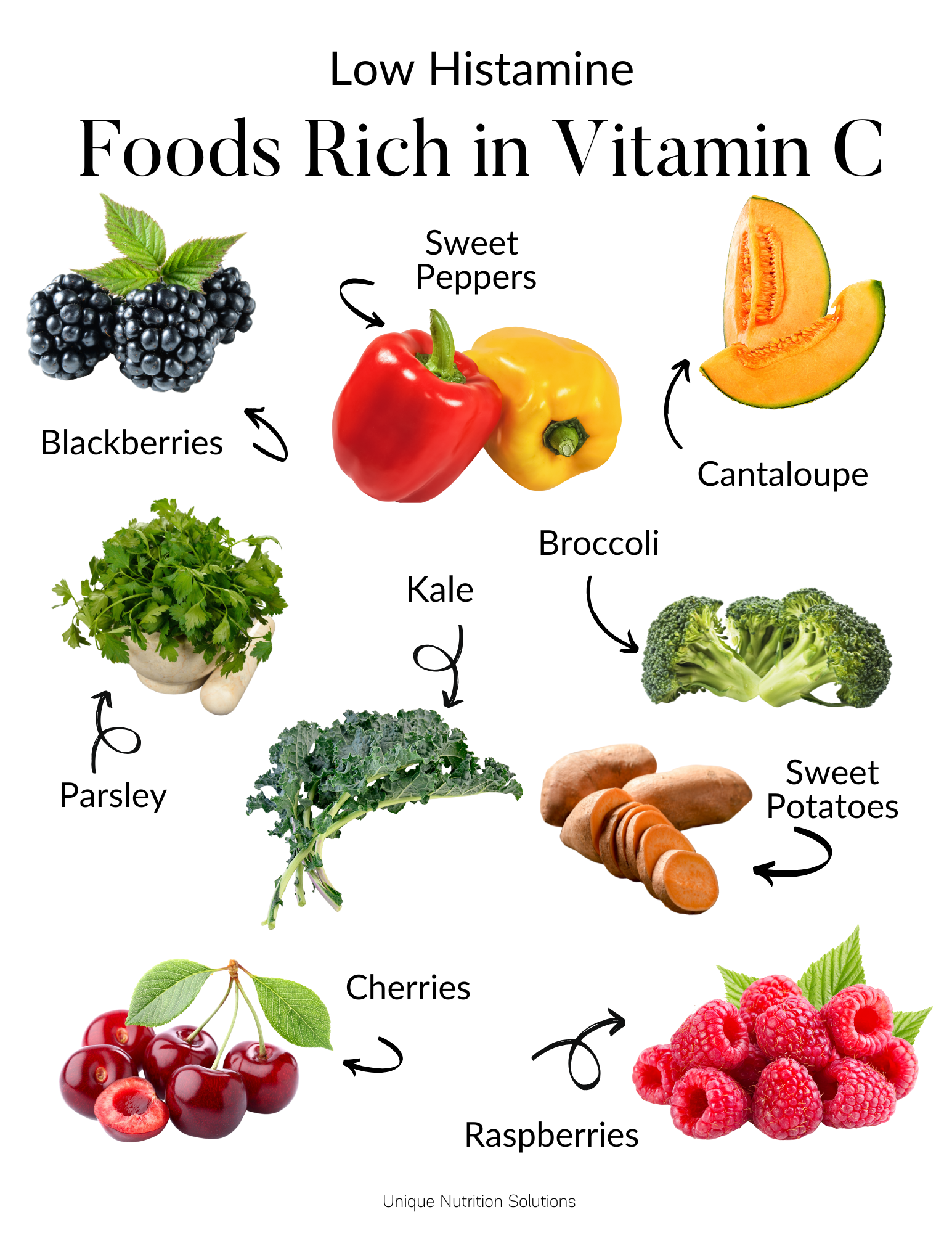
If you want vitamin C, get it from whole foods: red bell peppers, cantaloupe, broccoli, and cherries are all low-histamine, nutrient-rich options.
And that brings us to another tricky nutrient… B-vitamins.
3. B-Vitamins - A Jittery Surprise
B vitamins are involved in energy production, detoxification, and brain chemistry.
So when I found out I had the MTHFR gene variant—which affects folate metabolism—I jumped into high-dose B-complex supplements with both feet.
The result? More anxiety, insomnia, headaches, and more sensitivity to foods high in histamine.
Here’s what I didn’t know: if you have a slow or reduced COMT gene (another common gene variant), your body may struggle to break down dopamine and adrenaline—both of which are stimulated by high levels of B6, B12, and methylated folate.
As these neurotransmitters build up, you can start to feel wired, anxious, and overstimulated. In some cases, this leads to early-morning insomnia, headaches, and even migraines.
Add to this the oxidative stress produced when excess dopamine breaks down in someone with low glutathione, and you’ve got a perfect storm. That was me.
If you suspect you’re sensitive, it’s wise to use low-dose B-vitamins—or better yet, tailor them to your genetics and needs. Biotics B-100 is one formula I often recommend because it is low-dosage B vitamins that less likely to cause negative side effects.

4. Thiamine (Vitamin B1) - Hiding in Energy Drinks
Thiamine is critical for carbohydrate metabolism and nerve function, and without it, we’d all feel exhausted.
But for those with
Thiamine is especially common in “natural” energy drinks, which often contain not only B1 but also caffeine and other B-vitamins. The combination can lead to a spike in neurotransmitters that your body may struggle to manage—especially if your COMT gene is sluggish.
If you have
5. Folic Acid - The Synthetic Folate That Slows You Down
Folate is a key nutrient your body needs for methylation, detoxification, and maintaining brain chemical balance. But not all folate is created equal.
Most multivitamins and fortified foods contain folic acid, a synthetic form of folate.
The problem? Your body doesn’t always convert it well—especially if you have a genetic variation in an enzyme called DHFR (dihydrofolate reductase).
When folic acid builds up in the body, it can actually slow down the methylation cycle and even interfere with HNMT (histamine N-methyltransferase), the enzyme that helps break down histamine.
That’s not great news if you’re already struggling with
And here’s the thing—you don’t need a genetic mutation to have this issue. I’ve worked with clients who weren’t taking supplements with folic acid, but were still overloaded just from eating a lot of fortified foods like breakfast cereals.
Better alternatives? Look for folate in forms like folinic acid or methylfolate. If you’re sensitive to methyl groups, start with a small dose or try a methyl-free option.
Glutathione - Too Much of a Good Thing?
Glutathione is often called the “master antioxidant,” and it’s true—it plays a vital role in oxidative stress, calming inflammation, and reducing histamin levels.
But here’s what most people don’t realize: oral and IV glutathione may not work the way you think.
Studies show that oral glutathione is broken down in the gut and doesn’t reliably raise levels in the bloodstream.
And when it does get absorbed in large doses, it can overload the redox system—ironically creating what’s known as “reductive stress,” which can be just as harmful as oxidative stress.
Instead of taking glutathione directly, focus on nutrients that support your body’s natural production—like sulforaphane, found in broccoli sprouts.
In fact, sulforaphane has been shown to upregulate glutathione production more effectively than direct supplementation.
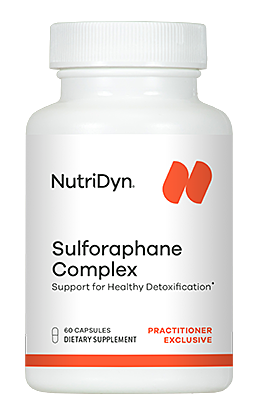
NutriDyn
Sulforaphane Complex
Sulforaphane Complex combines selenium with the best absorbed form of sulforaphane to support healthy detoxification and balance the immune system.
This helps your body to regulate histamine levels, helping you to overcome
Use my practitioner code: 282711 to get 15% off.
7. Quercetin - Helpful or Harmful?
Quercetin is a flavonoid often used as a natural antihistamine. It’s found in onions, apples, garlic, and elderberries, and can help stabilize mast cells and reduce inflammation.
However, in supplement form—especially at high doses—quercetin may not be a good match for everyone. Structurally, it a chemical structure similar to dopamine and adrenaline
If your COMT gene is slow, your body may struggle to clear quercetin, dopamine, and estrogen simultaneously, leading to anxiety, irritability, and increased histamine activity.
Food-based quercetin is much gentler. Try red onions, raw apples, or a sprinkle of dried elderberries in tea before jumping to a 500 -1,000 mg supplement.
Learn more about natural anti-histamines, including quercetin.
Final Thoughts
If you’ve been down the path of adding supplement after supplement hoping for relief, only to feel worse—you’re not alone. The right nutrients can help you become more tolerant to histamine-rich foods, but the wrong ones can tip the balance the other way.
As always, less is more—and knowing your genes can help tailor what works for you.
Curious whether your current supplement routine is making things worse? Drop a comment below or book a free discovery call. You don’t have to figure this out alone.
Further Reading and Resources
-
Histamine Intolerance – Current State of the Art
Overview of how histamine is broken down, why some people develop intolerance, and current treatment strategies. -
Oxalate Homeostasis
Explains how oxalates are produced in the body (not just from food), and how they can increase inflammation and stress the kidneys. -
Sulforaphane and Gut Health
Research on how sulforaphane (from broccoli sprouts) supports antioxidant defenses and gut balance better than direct glutathione supplements. -
Histamine Intolerance – The More We Know, The Less We Know
A clinical review highlighting the complexity ofhistamine intolerance and why symptoms vary so much from person to person. -
Glutathione Therapy
A recent paper cautioning that high-dose IV glutathione can sometimes backfire, leading to “reductive stress” rather than balance.


Eileen Schutte, MS, CN, FMN – One of my greatest passions is helping clients overcome food intolerances, such as histamine intolerance and sensitivities, so they can enjoy food again. My other passion is genomics, focusing on histamine intolerance genes and how nutrition and lifestyle changes can support them. I hold a master’s degree in functional nutrition from the University of Bridgeport, Connecticut, graduating Summa Cum Laude. After completing my master’s degree, I earned my certification in Functional Medicine Nutrition and completed advanced genomic courses through Genomic Kitchen. I am also a GEMM (Gut Ecology, Metabolic Modulation) practitioner, and this program is the basis of my Food Tolerance Gut Restoration Program.