Unlocking your body’s natural detox pathways to calm inflammation and restore gut balance.
Have you ever had a strange reaction after eating leftovers or drinking wine—like itchy skin, brain fog, or bloating—and no one could explain why? Maybe you’ve been told it’s just food sensitivities or “getting older,” but deep down, you know something’s off.
For many women, the real culprit is histamine intolerance—a condition in which the body struggles to manage histamine, a chemical that plays a role in digestion, immunity, and even mood regulation. While most people can clear histamine efficiently, others may have trouble breaking it down, leading to a wide range of unexplained symptoms.
But here’s the good news: your body is equipped with natural genes that know how to calm histamine and reduce inflammation. The key is learning how to switch those genes on—and that’s where sulforaphane comes in.
Sulforaphane: The Powerhouse in Your Cruciferous Veggies
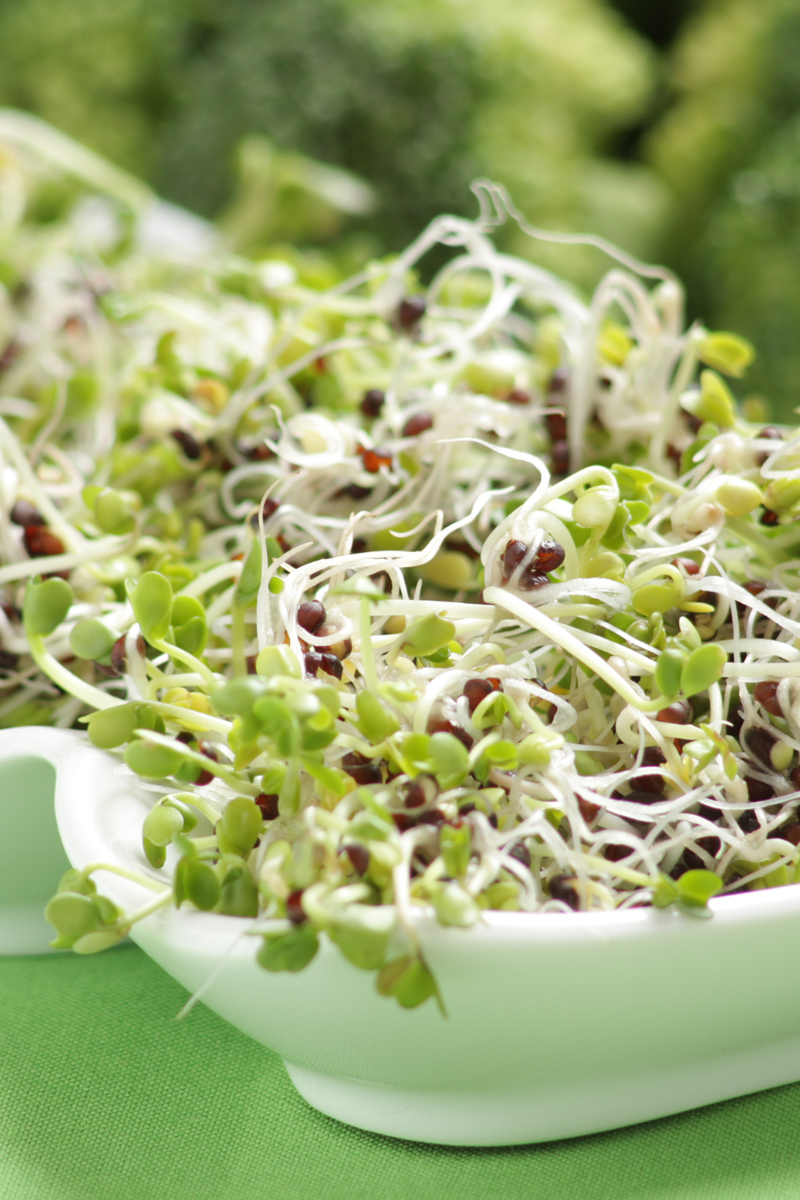
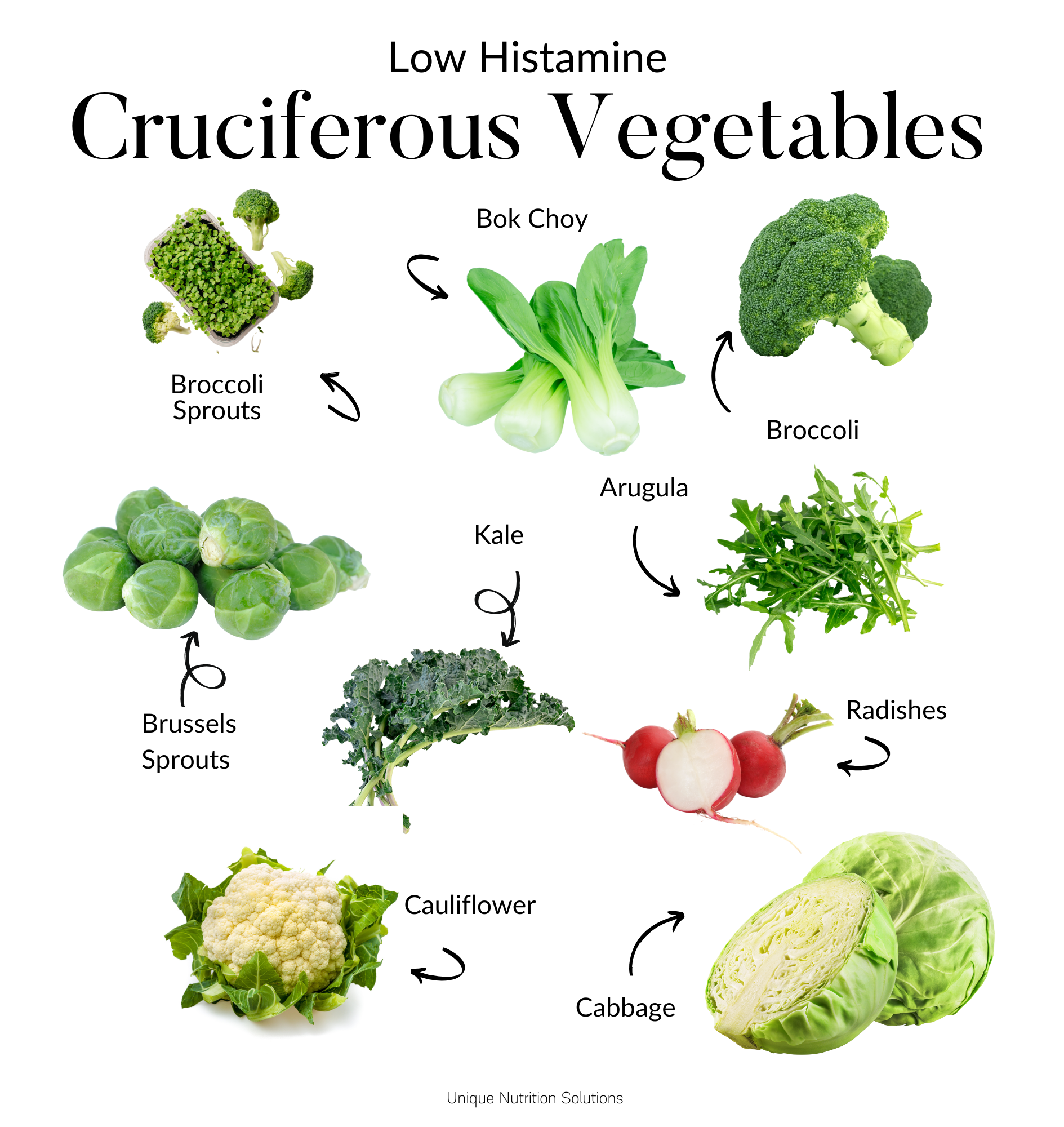
Sulforaphane (SFN) is a natural compound that forms when certain vegetables—like broccoli, cauliflower, Brussels sprouts, and kale—are chopped, chewed, or lightly cooked. It’s especially concentrated in broccoli sprouts, which can contain up to 100 times more sulforaphane than mature broccoli.
But sulforaphane isn’t just another trendy plant chemical. It’s a nutrigenomic compound, meaning it can influence the way your genes behave. Rather than acting as a direct antioxidant, sulforaphane functions like a messenger that instructs your cell’s master regulatory gene, Nrf2, to awaken and activate your body’s detoxification and defense systems.
This matters because if you struggle with
Histamine Intolerance: It's Not Just About DAO
Histamine intolerance occurs when there’s an excessive amount of histamine in the body and insufficient ability to break it down. While some of this is due to reduced activity of enzymes like DAO (diamine oxidase, active in the gut) and HNMT (active in the liver and brain), it’s not the whole story.
What’s often overlooked is that your immune system, gut health, and oxidative stress levels also influence the amount of histamine your body releases in the first place. In fact, chronic inflammation and oxidative stress are two of the biggest drivers of histamine overload.
Imagine histamine like a faucet. DAO acts like the drain, clearing it out. But if the faucet is stuck on high—due to inflammation or immune triggers—even a strong drain won’t help. The real fix? Turning down the faucet. And sulforaphane helps do just that.
The Missing Link: Oxidative Stress and Histamine Overload
Oxidative stress is what happens when your body produces more reactive oxygen species (ROS)—also known as free radicals—than it can manage. These molecules are normal byproducts of metabolism and detoxification, but when they accumulate, they begin to damage tissues, DNA, and cells.
More importantly, oxidative stress is a key trigger for mast cells to release histamine. It also activates inflammatory genes like NF-κB, which fuels the immune system to stay on “high alert.”
Oxidative stress can come from many sources, such as:
- Environmental toxins and mold
- Imbalances in detox pathways
- Gut infections or dysbiosis
- Mitochondrial dysfunction
- Overexercising or under-eating
- Hormonal imbalances
This is why simply avoiding high-histamine foods often doesn’t resolve the issue—because the underlying cellular stress is still active.
Sulforaphane Activates Nrf2: Your Body's Master Antioxidant Switch
Here’s where sulforaphane makes its magic. It’s the most potent known natural activator of a gene called Nrf2 (Nuclear factor erythroid 2–related factor 2).
Think of Nrf2 as a master switch that controls your body’s antioxidant and detox pathways. When sulforaphane activates Nrf2, it signals your cells to produce powerful antioxidants like:
- Glutathione, often called the “queen” of antioxidants
- Superoxide dismutase (SOD), which neutralizes superoxide radicals
- Catalase, which helps break down hydrogen peroxide
Unlike taking antioxidants in pill form, activating Nrf2 means your body makes its own defenses—exactly where and when they’re needed. And that’s far more effective for long-term healing.
As these antioxidant pathways become more efficient, they help reduce oxidative stress, calm mast cell activity, and decrease histamine release at the source.
Sulforaphane: Calming Inflammation at the Gene Level
In addition to activating antioxidant genes, sulforaphane also suppresses pro-inflammatory genes—especially NF-κB, which is often chronically activated in individuals with
By calming NF-κB, sulforaphane:
- Reduces the production of inflammatory cytokines
- Lowers mast cell activation
- Helps promote immune tolerance instead of overreaction
It also boosts regulatory immune pathways, such as IL-10 and T-regulatory cells (Tregs), which play a crucial role in preventing allergic and autoimmune reactions.
Sulforaphane isn’t just reducing symptoms—it’s supporting your immune system in getting back to balance.
But What About Gut Health?
Histamine intolerance almost always has a connection to the gut. Whether it’s bloating, IBS, food sensitivities, or leaky gut, the intestinal barrier is often compromised.
Sulforaphane helps repair the gut lining and restore the integrity of the intestinal wall. It does this by:
- Inhibiting LPS (lipopolysaccharide) from gram-negative bacteria from binding to receptors that activate inflammation
- Reducing the presence of harmful bacteria like H. pylori, Klebsiella, and E. coli through its antimicrobial activity
- Protecting beneficial microbes while clearing out pathogens
- Supporting DAO enzyme production by reducing gut inflammation and microbial imbalance
By healing the gut lining and restoring microbial balance, sulforaphane indirectly supports the body’s ability to degrade dietary histamine.
Addressing Genetics Without Overwhelming the System
If you’ve done genetic testing, you may have discovered that you carry variants in genes related to glutathione production, such as GSTM1, GSS, or GPX. Or maybe your SOD gene, especially MnSOD, is underactive. These can all reduce your body’s ability to manage oxidative stress.
You might assume that supplementing with glutathione is the answer—but in practice, this can backfire. Many glutathione supplements are poorly absorbed, and they may even downregulate your body’s own production if taken in high doses or over a prolonged period.
Sulforaphane works upstream—helping your body naturally produce more glutathione and other antioxidants, in a way that’s regulated and sustainable.
This is often the missing piece when supplements like DAO, antihistamines, or elimination diets fail to provide full relief.
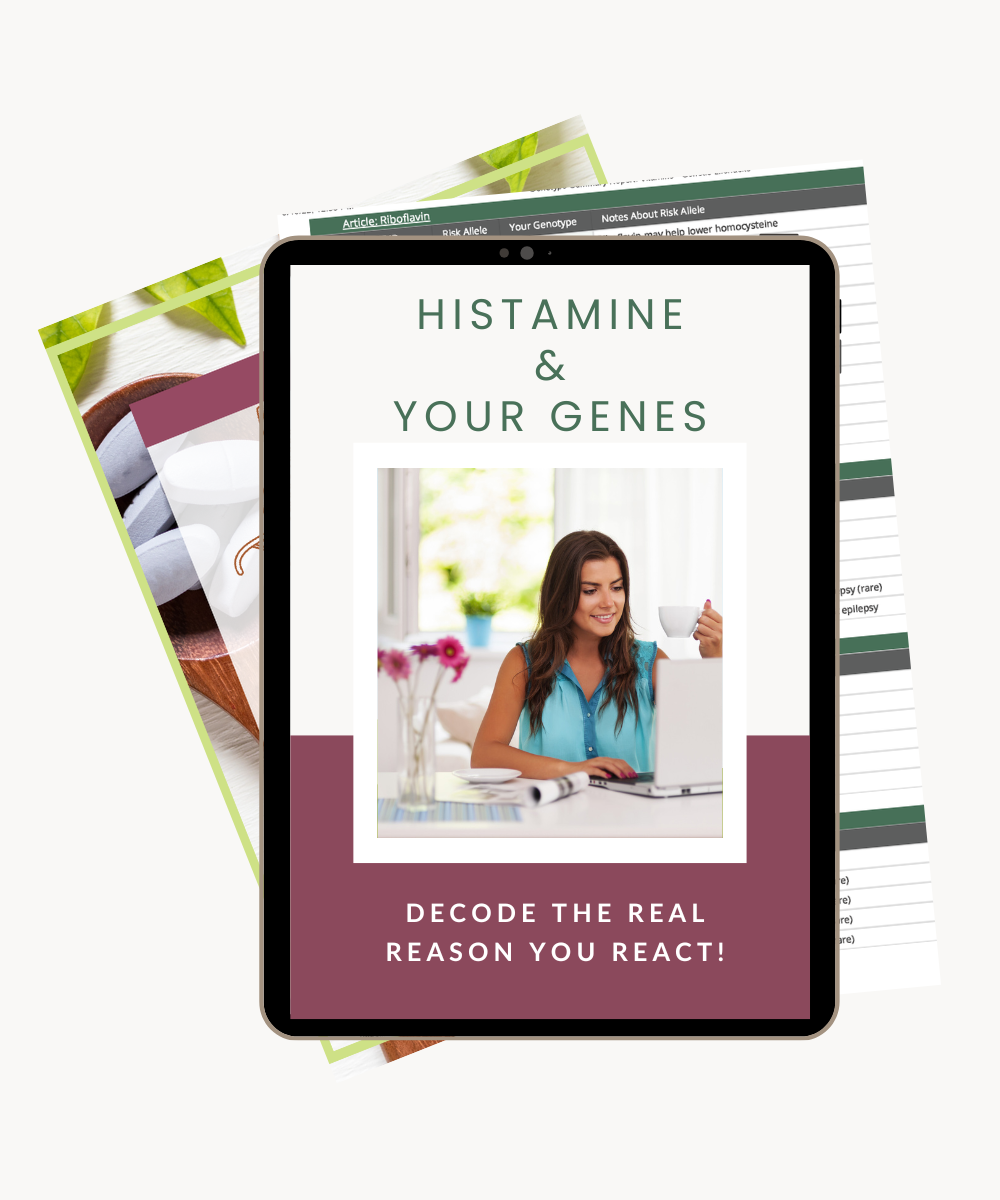
Not sure if you have these genetic variants or want to learn more about histamine genes, check out my Histamine Intolerance Genomic Programs.
Histamine & Your Genes Report
Not ready for a comprehensive program and have completed either Ancestry or 23and Me?
👉 Discover how your DNA affects your ability to break down histamine. With the Histamine & Your Genes program, you’ll get a personalized gene report, supplement guide, low-histamine recipes, and a 1:1 consult to help you finally feel better.
🧬 Includes insights on DAO, HNMT, MTHFR, Glutathione and more.
Getting Sulforaphane Into Your Diet
So, how do you actually get sulforaphane? Broccoli and other cruciferous veggies are a great place to start, but broccoli sprouts are by far the richest source. Here’s what you need to know:
- Raw is best. Cooking destroys the enzyme (myrosinase) that helps form sulforaphane.
- Use the “chop and hold” method—chop your broccoli or sprouts and let them sit for about 45–60 minutes before eating. This gives the enzymes time to activate.
- Add raw sprouts to salads, bowls, or smoothies.
- A healthy gut microbiome also helps convert glucoraphanin into sulforaphane.
If you’re experiencing significant symptoms, supplementation may be beneficial. However, most supplements are just broccoli powder extract and don’t contain active myrosinase. Look for options that preserve the full seed matrix or use stabilized forms, such as EnduraCell® found in NutriDyn’s Sulforaphane Complex, which have been studied for their clinical efficacy.
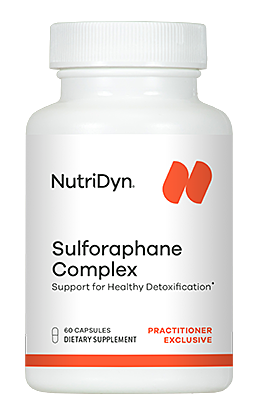
NutriDyn
Sulforaphane Complex
Sulforaphane Complex combines selenium with the best absorbed form of sulforaphane to support healthy detoxification and balance the immune system.
This helps your body to regulate histamine levels, helping you to overcome
Use my practitioner code: 282711 to get 15% off.
My Personal Story with Sulforaphane
After years of dealing with unexplained psoriasis flares, food sensitivities, and gut issues—even while following a “clean” gluten-free diet—I was still inflamed, exhausted, and reactive to so many foods.
It wasn’t until I discovered how restoring the gut with a food-first approach and adding in sulforaphane for support- which focuses on using nutrigenomics to restore upstream cellular balance- that things began to shift.
Once I started activating my Nrf2 pathway with sulforaphane and other tools, my skin began to clear. My digestion improved. And perhaps most liberating of all—I could finally enjoy high-histamine foods again, like red wine and aged cheese, without the anxiety or symptoms that used to follow.
Learn more about my Food Tolerance & Gut Restoration Program.
Final Thoughts: Let Food Flip the Switch
Histamine intolerance isn’t just about removing foods—it’s about restoring the body’s natural ability to regulate inflammation, detoxify efficiently, and repair itself.
Sulforaphane offers a powerful way to go upstream, supporting the genes and pathways that can reduce histamine at its source, rather than just chasing symptoms.
If you’re ready to stop living in fear of food and start rebuilding resilience from the inside out, it may be time to flip the sulforaphane switch.
🧠 References
- Houghton, C. A. (2019). Sulforaphane: Its “Coming of Age” as a Clinically Relevant Nutraceutical in the Prevention and Treatment of Chronic Disease. Oxidative Medicine and Cellular Longevity, 2019, Article ID 2716870.
➤ Describes sulforaphane’s bioavailability, antioxidant activation via Nrf2, and therapeutic potential in inflammation-driven conditions.
Link to study - Branco, A. C. C., Yoshikawa, F. S. Y., Pietrobon, A. J., & Sato, M. N. (2018). Role of Histamine in Modulating the Immune Response and Inflammation. Mediators of Inflammation, 2018, Article ID 9524075.
➤ Outlines how histamine interacts with various immune pathways and its dual pro-inflammatory and regulatory roles.
Link to study - Schnedl, W. J., & Enko, D. (2021).
Histamine Intolerance Originates in the Gut. Nutrients, 13(4), 1262.
➤ Explores the gut origin ofhistamine intolerance , the role of DAO, and the connection between gastrointestinal dysfunction and systemic histamine overload.
Link to study - Clarke, J. D., Dashwood, R. H., & Ho, E. (2016). Multi-targeted prevention of cancer by sulforaphane. Cancer Letters, 380(1), 253–263.
➤ Highlights sulforaphane’s broad mechanisms of action, including detoxification, inflammation reduction, and Nrf2 pathway activation.
Link to study - Castell, A., & Wakabayashi, N. (2023). Epigenetic Regulation of Inflammatory Genes by Sulforaphane via Nrf2 and Histone Modifications. International Journal of Molecular Sciences, 24(13), 13448.
➤ Provides insight into how sulforaphane epigenetically modulates inflammation and oxidative stress, including effects on NF-κB and IL-10.
Link to study


Eileen Schutte, MS, CN, FMN – One of my greatest passions is helping clients overcome food intolerances, such as histamine intolerance and sensitivities, so they can enjoy food again. My other passion is genomics, focusing on histamine intolerance genes and how nutrition and lifestyle changes can support them. I hold a master’s degree in functional nutrition from the University of Bridgeport, Connecticut, graduating Summa Cum Laude. After completing my master’s degree, I earned my certification in Functional Medicine Nutrition and completed advanced genomic courses through Genomic Kitchen. I am also a GEMM (Gut Ecology, Metabolic Modulation) practitioner, and this program is the basis of my Food Tolerance Gut Restoration Program.