Why Women Struggle More with
Have you ever noticed that your body seems more reactive at certain times of the month—or that foods like wine, cheese, or leftovers suddenly don’t sit right anymore?
Maybe you’ve started waking up at 3 AM and can’t fall back asleep. Or you feel itchy, bloated, anxious, or headachy right before your period.
This isn’t “all in your head.” These symptoms could be tied to the relationship between estrogen and histamine, a powerful yet often-overlooked connection that affects many women—especially during hormonal shifts like perimenopause and menopause.
Let’s unpack what’s happening, what the science shows (and doesn’t), and what you can do right now to start feeling better.
Histamine Intolerance: More Than Just Food Reactions
Histamine is a natural chemical made by your body. It helps with immune responses, gut function, and even acts as a brain messenger. Most people know histamine as the cause of allergy symptoms like sneezing or itching, but it does much more than that.
In your gut, histamine helps produce stomach acid and keeps things moving through your digestive tract. In the brain, it promotes wakefulness and alertness—this is why high histamine can interfere with sleep. And in the immune system, it’s released by mast cells to help fight off invaders.
Normally, your body clears out histamine with enzymes like DAO (diamine oxidase) and HNMT. But if you make too much histamine or your enzymes can’t keep up, histamine builds up—and that’s when symptoms can appear.
Some of the most common signs of
- Headaches or migraines
- Skin rashes, flushing, or itching
- Digestive problems like bloating, gas, diarrhea or constipation
- Insomnia or waking between 3–4 AM
- Feeling anxious, irritable, or “wired but tired”
- Heightened reactions to foods like wine, chocolate, or leftovers
And while
Estrogen’s Influence on Histamine (and Vice Versa)
Estrogen, particularly estradiol (E2), has a significant effect on histamine release. When estrogen rises, it makes mast cells more sensitive and more likely to release histamine into your body.
At the same time, histamine can actually stimulate more estrogen production in the ovaries. This creates a cycle where high estrogen triggers histamine—and histamine can feed right back into estrogen production.
Estrogen may also reduce the activity of DAO, the main enzyme that breaks down histamine in your gut. While direct human studies are limited, research strongly suggests this could be due to estrogen’s impact on gut health, where DAO is made.
This two-way relationship helps explain why women:
- Are more likely to suffer from asthma, allergies, and autoimmune issues
- Often notice histamine-related symptoms during ovulation or before their periods
- Report worsening symptoms during perimenopause, despite estrogen declining
Hormone Fluctuations and Histamine “Flares” Across the Menstrual Cycle
Your hormones are not constant throughout the month—and neither is your histamine response. Estrogen fluctuates significantly across the menstrual cycle, and with each peak, histamine sensitivity often increases.
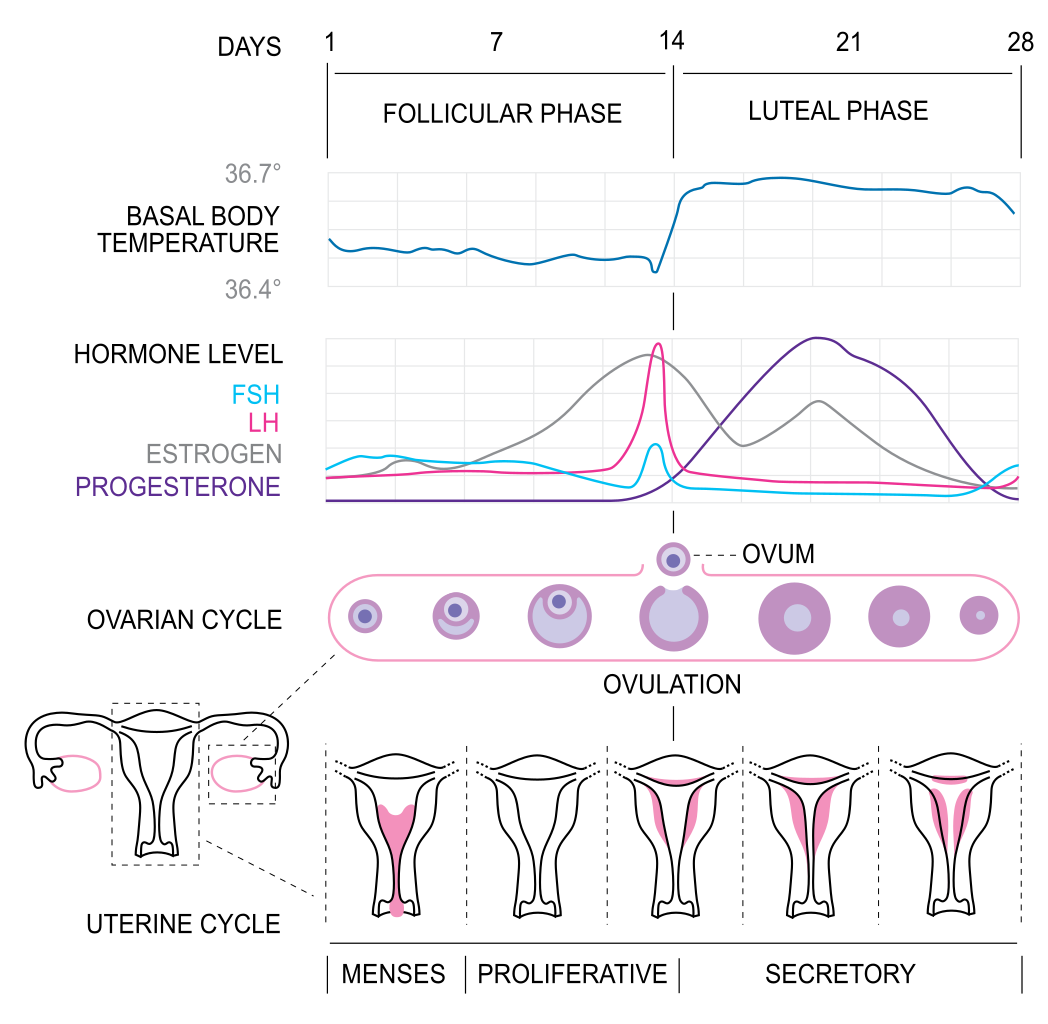
Graphic Courtesy of Wiki-Menstrual Cycle
Here’s how your cycle typically impacts histamine levels:
- Follicular phase (Days 1–13): Estrogen begins to rise; some women feel a mild increase in histamine symptoms.
- Ovulation (Around Day 14): Estrogen peaks. This is often the worst time for histamine symptoms like migraines, skin flare-ups, or restlessness.
- Luteal phase (Days 15–28): Estrogen dips, then rises again before menstruation—triggering a second wave of symptoms.
- Menstruation (Day 1 of bleeding): Estrogen drops. Many women experience temporary relief during this time.
This cyclical pattern is a key clue. If you notice your histamine-related symptoms getting worse at the same time each month, estrogen is likely involved.
What Changes in Perimenopause and Menopause?
During perimenopause, estrogen levels start swinging unpredictably—often becoming higher at certain times than they were in your 20s. These spikes in estrogen can make histamine symptoms worse, especially if your detox pathways or gut health are already compromised.
As menopause sets in and estrogen declines overall, some women do feel better. With less estrogen stimulation, mast cells calm down, and histamine release may slow.
But for many others, things get worse. Why?
Because estrogen doesn’t just activate histamine. It also plays a protective role in your:
- Gut lining and microbiome
- Immune regulation
- Detox pathways
- Sleep and mood regulation
When estrogen disappears too quickly or becomes unbalanced, it can reveal underlying issues that were previously masked.
Women in menopause may still struggle with:
- Hot flashes or flushing (which may actually be histamine-related)
- Insomnia or night waking
- Heightened reactivity to foods or stress
- Autoimmune flare-ups
- Skin issues or temperature sensitivity
Even hormone therapy (HRT) isn’t a one-size-fits-all solution. While it helps some women, others experience worsened asthma, allergies, or histamine overload.
Estrogen Metabolism and Aromatase: A Key to Balance
One of the missing pieces in this conversation is how your body processes and eliminates estrogen. This is where things like the gut microbiome, detox pathways, and an enzyme called aromatase come into play. And your genes might also have an impact on this pathway. The aromatase enzyme can be genetically upregulated or downregulated.
Aromatase is the enzyme that converts testosterone into estrogen. When aromatase is overactive—often due to inflammation, excess body fat, or high blood sugar—your body may start making too much estrogen, even post-menopause.
On top of that, if your gut microbiome is out of balance, it can produce an enzyme called β-glucuronidase, which uncouples estrogen marked for excretion and recycles it back into your bloodstream.
This creates a perfect storm:
- More estrogen from aromatase
- Less estrogen elimination
- Ongoing histamine production
That’s why supporting estrogen metabolism is just as important as addressing histamine directly.
What the Science Shows - And What It Still Can't Tell Us
We do have strong biological evidence that:
- Estrogen stimulates mast cell activation and histamine release
- DAO activity may be reduced when estrogen is high
- Women report cyclical patterns of
histamine intolerance - Genes that regulate the metabolism, detox, and balance of estrogen can impact histamine levels
What we’re still missing are:
- Large clinical trials tracking DAO, histamine, and estrogen across the cycle
- Clear testing guidelines for
histamine intolerance - Comprehensive data on how HRT affects histamine symptoms long term
Until then, we rely on clinical patterns, biological plausibility, and your personal experience to guide support.
What You Can Do Right Now to Feel Better
Even without perfect research, there’s a lot you can do to reduce your histamine burden and balance estrogen safely.
Support Estrogen Metabolism:
Focus on foods and habits that help your body detox estrogen safely and prevent excessive aromatase activity.
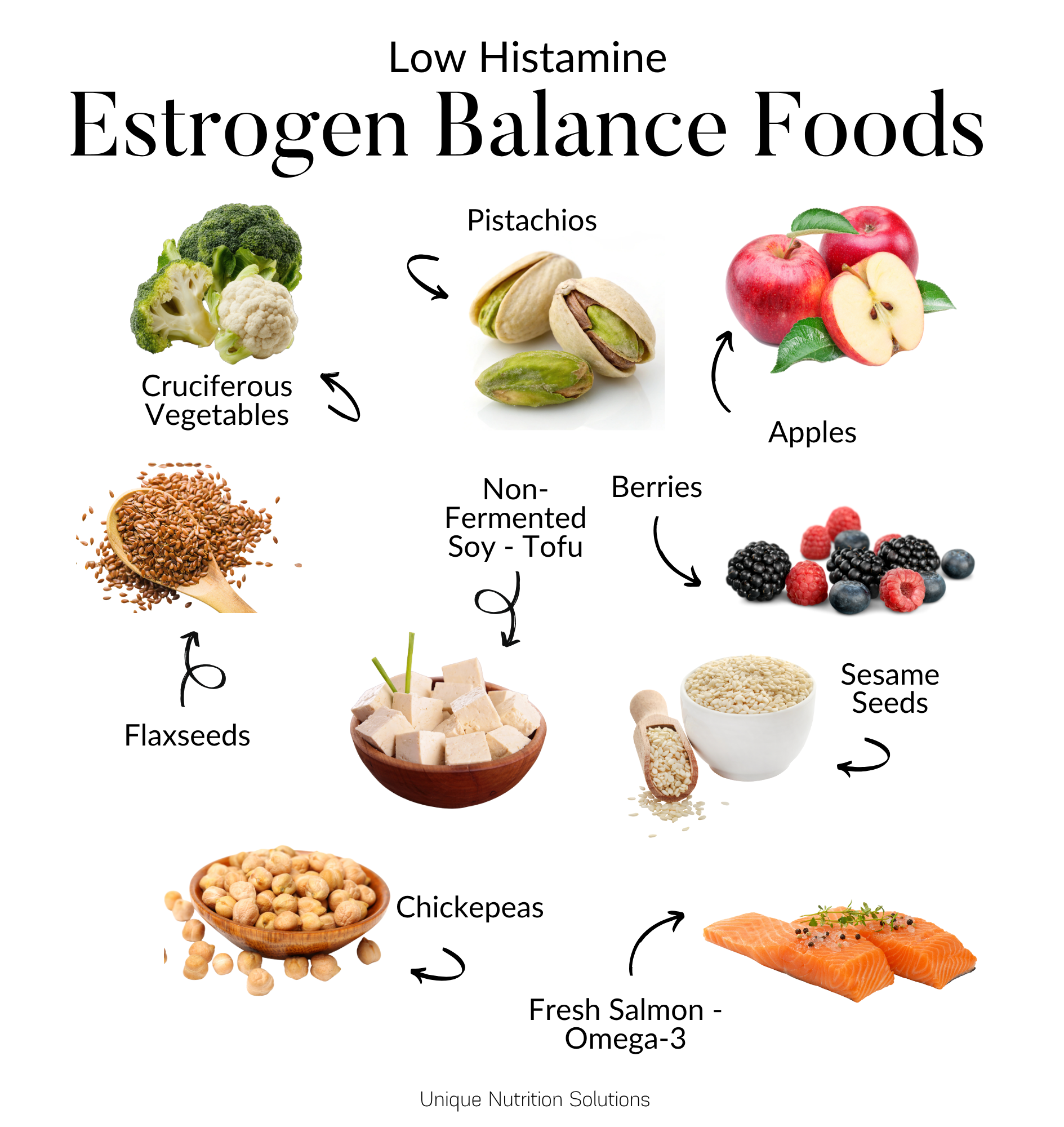
- Load up on cruciferous vegetables like broccoli, arugula, and cauliflower.
- Get plenty of fiber to support healthy bowel movements and estrogen elimination.
- Include polyphenol-rich foods like berries (excluding strawberries), green tea, and herbs to reduce inflammation and support liver function.
- Add phytoestrogens like flaxseed, which can help modulate estrogen receptor activity by specifically promoting ER-beta, which is anti-inflammatory.
- Ensure adequate intake of B-vitamins, magnesium, and folate to support methylation, a key detox pathway.
Keep Aromatase in Check:
- Maintain a healthy weight and support stable blood sugar levels.
- Eat balanced meals with protein, fiber, and healthy fats.
- Avoid excessive sugar and processed carbs that can spike insulin and increase aromatase.
Avoid Environmental Estrogens:
Chemicals like BPA, phthalates, and PFOS mimic estrogen and disrupt hormone balance. Reduce your exposure by:
- Using glass or stainless steel containers
- Avoiding heavily fragranced beauty and cleaning products
- Choosing EWG-verified or clean-label products
Reduce Histamine Load (Especially Around Ovulation or PMS):
If you know your symptoms spike mid-cycle or before your period, lighten your histamine burden during those windows.
This could mean:
- Limiting aged cheeses, wine, fermented foods, leftovers, and cured meats
- Trying a low-histamine diet short-term to identify your personal triggers
- Considering DAO enzyme supplements before meals or during flares
Track Your Cycle and Symptoms:
Use my Histamine Food & Symptom Journal, which includes a low-histamine food list and more. Use this journal to log how you feel throughout your cycle. Over time, patterns will emerge—helping you predict flares and time your support more effectively.
In Summary
- Estrogen and histamine are deeply connected—each one can amplify the other.
- This relationship helps explain why so many women experience cyclical or worsening symptoms during hormone transitions.
- While research is still evolving, practical steps like supporting gut health, reducing aromatase, and avoiding high-histamine foods can make a real difference.
You Are Not Imagining It.
Your symptoms have a root—and often, it starts with the dance between estrogen and histamine. When you start tracking and supporting your body through the ups and downs of hormones, you take a powerful step toward balance, energy, and relief.
📚 References
- Bendis, P. C., Zimmerman, S., Onisiforou, A., Zanos, P., & Georgiou, P. (2024). The impact of estradiol on serotonin, glutamate, and dopamine systems. Frontiers in Neuroscience, 18, 1348551. https://doi.org/10.3389/fnins.2024.1348551
- Bonds, R. S., & Midoro-Horiuti, T. (2013). Estrogen effects in allergy and asthma. Current Opinion in Allergy and Clinical Immunology, 13(1), 92–99. https://doi.org/10.1097/ACI.0b013e32835a6dd6
- Chen, C., Gong, X., Yang, X., Shang, X., Du, Q., Liao, Q., Xie, R., Chen, Y., & Xu, J. (2019). The roles of estrogen and estrogen receptors in gastrointestinal disease: A review. Oncology Letters, 18(5), 5673–5680. https://doi.org/10.3892/ol.2019.10983
- Fan, Z., Che, H., Yang, S., & Chen, C. (2019). Estrogen and estrogen receptor signaling promotes allergic immune responses: Effects on immune cells, cytokines, and inflammatory factors involved in allergy. Allergologia et Immunopathologia, 47(5), 506–512. https://doi.org/10.1016/j.aller.2019.03.001
- Hall, D. C. (2001). Nutritional influences on estrogen metabolism. Applied Nutritional Science Reports, MET451. Advanced Nutrition Publications, Inc.
- Motta, F., Di Simone, N., & Selmi, C. (2025). The impact of menopause on autoimmune and rheumatic diseases. Clinical Reviews in Allergy & Immunology, 68, 32. https://doi.org/10.1007/s12016-025-09031-8
- Parida, S., & Sharma, D. (2019). The microbiome–estrogen connection and breast cancer risk. Cells, 8(12), 1642. https://doi.org/10.3390/cells8121642
- Qiu, Z., Qu, K., Luan, F., Liu, Y., Zhu, Y., Yuan, Y., Li, H., Zhang, H., Hai, Y., & Zhao, C. (2020). Binding specificities of estrogen receptor with perfluorinated compounds: A cross-species comparison. Environment International, 134, 105284. https://doi.org/10.1016/j.envint.2019.105284


Eileen Schutte, MS, CN, FMN – One of my greatest passions is helping clients overcome food intolerances, such as histamine intolerance and sensitivities, so they can enjoy food again. My other passion is genomics, focusing on histamine intolerance genes and how nutrition and lifestyle changes can support them. I hold a master’s degree in functional nutrition from the University of Bridgeport, Connecticut, graduating Summa Cum Laude. After completing my master’s degree, I earned my certification in Functional Medicine Nutrition and completed advanced genomic courses through Genomic Kitchen. I am also a GEMM (Gut Ecology, Metabolic Modulation) practitioner, and this program is the basis of my Food Tolerance Gut Restoration Program.