Exercise is one of the best things you can do for your health. It supports blood sugar balance, improves mood, builds muscle, strengthens bones, and helps regulate hormones.
But if you struggle with
You finish a workout… and suddenly feel worse.
Maybe you develop a headache, itchy skin, flushing, congestion, digestive upset, or even hives after exercising. Some women notice their symptoms are even worse during hot weather, intense workouts, or the week before their cycle.
If this sounds familiar, you are not imagining it.
Research now shows that exercise naturally increases histamine levels in the body. In fact, histamine plays an important role in helping your body adapt to exercise, support circulation, repair muscles, and regulate blood sugar.
The problem begins when your body already struggles to break down histamine efficiently.
First, What is Histamine Intolerance?
Histamine intolerance happens when histamine builds up faster than the body can clear it. Imbalances in histamine levels often involve reduced DAO and HNMT activity, thereby affecting histamine degradation.
Other factors, such as genetic variants that affect histamine metabolism, poor gut health, and, for some, immune system imbalances, such as autoimmunity.
Histamine affects far more than allergies. Histamine receptors are found throughout the body, which is why symptoms can feel random and unpredictable. Learn more about histamine intolerance.
Common symptoms include:
- Headaches or migraines
- Skin flushing or rashes
- Early morning insomnia
- Nasal congestion
- Digestive discomfort
- Heart palpitations
- Post-workout anxiety
- Dizziness or fatigue
Now add exercise into the mix.
Exercise Naturally Raises Histamine
We often don’t think about histamine release increasing during exercise, but histamine is actually part of a healthy exercise response.
Ever wonder what helps you to stay alert and focused during exercise? Histamine, along with other neurotransmitters (brain signaling), helps maintain mental alertness, focus, and motivation during exercise.
Another important role of histamine during exercise is to help improve blood flow to working muscles, delivering the oxygen and nutrients needed for energy production and muscle function.
When you exercise in high temperatures, your body naturally releases histamine to help regulate body temperature, increase blood flow, and cool you.
Histamine also supports post-workout recovery by helping muscles adapt and repair. In other words, histamine is not always “bad.” Your body actually uses it as a signaling molecule during exercise.
However, for some women, exercise becomes another “bucket filler” that pushes histamine levels over the edge.
The Oxidative Stress Connection
Exercise also increases something called oxidative stress.
That sounds scary, but oxidative stress is not always harmful. In healthy amounts, it actually helps the body adapt and become stronger. Researchers describe exercise-induced oxidative stress as both a “friend and foe.”
During exercise, muscles naturally produce reactive oxygen species (ROS). These compounds help signal the body to improve fitness, strengthen antioxidant defenses, and support adaptation to training.
The issue is that excessive exercise, poor recovery, and inadequate nutrition before and after workouts can push oxidative stress beyond safe limits. Add in chronic stress, poor sleep, and nutrient deficiencies, and you have the perfect storm for poorly managed oxidative stress.
This matters because oxidative stress and histamine are closely connected. Higher oxidative stress may trigger mast cells to release more histamine, increase inflammation, worsen muscle fatigue, affect blood sugar regulation, and make some women more sensitive to foods high in histamine.
This may help explain why some women feel great during exercise but later experience headaches, flushing, anxiety, digestive symptoms, or an “exercise crash.”
How can you prevent that “exercise crash”? Make sure to add foods high in antioxidants, like berries, pomegranates, and my favorite cruciferous vegetables, to your pre- and post-workout meals. Learn more about the superfoods for histamine intolerance that are high in antioxidants.
Histamine Also Impacts Blood Sugar During Exercise
Another overlooked connection is blood sugar regulation.
Histamine helps influence blood circulation and energy delivery to the muscles during exercise. But excessive exercise, poor nutrition, or under-eating carbohydrates can create blood sugar swings that place additional stress on the body.
Histamine overload due to blood sugar dysregulation is especially important for women who:
- Skip meals before workouts
- Follow very low-carb diets
- Overexercise without recovery time and nutrition
- Experience cortisol or hormone imbalances
Many women with
The Hormone Connection
Hormones add another important layer to the histamine story, especially for women in perimenopause. Estrogen and histamine are closely related, often referred to as the “histamine-estrogen loop.”
Estrogen can stimulate histamine release, while histamine may also increase estrogen activity in the body. When both are elevated simultaneously, symptoms can become harder to manage.
This is one reason many women notice more exercise intolerance, headaches, flushing, rashes, or sleep disturbances during the days leading up to their cycle or during perimenopause. A workout that feels manageable one week may suddenly feel much more inflammatory the next.
Why Some Women React More Than Others
Not every woman experiences histamine symptoms from exercise in the same way. Factors such as environmental allergies, hormone imbalances, chronic stress, poor sleep, and underlying inflammation can increase the likelihood of elevated histamine levels during and after exercise.
Autoimmune conditions such as psoriasis and rheumatoid arthritis are already highly inflammatory, and mast cells tend to release more histamine during flares. When you combine that with the temporary rise in histamine that naturally occurs during exercise, it can sometimes push the body past its tolerance threshold — what many people refer to as the “histamine bucket” overflowing.
Genetics may also play a major role in how well your body handles histamine. Genes involved in histamine breakdown, such as DAO and HNMT, help determine how efficiently histamine is cleared from the body. Other genes can influence oxidative stress, inflammation, hormone balance, blood sugar regulation, and even how well your body recovers from exercise.
Your genetics may also affect how quickly you adapt to training and which types of exercise your body tolerates best. Some women may do better with endurance-based activities, while others respond better to shorter, more strength- or interval-focused exercise.
Interestingly, the more conditioned and fit the body becomes, the more efficient it may become at managing the histamine response to exercise over time.
Signs Exercise May Be Increasing Histamine
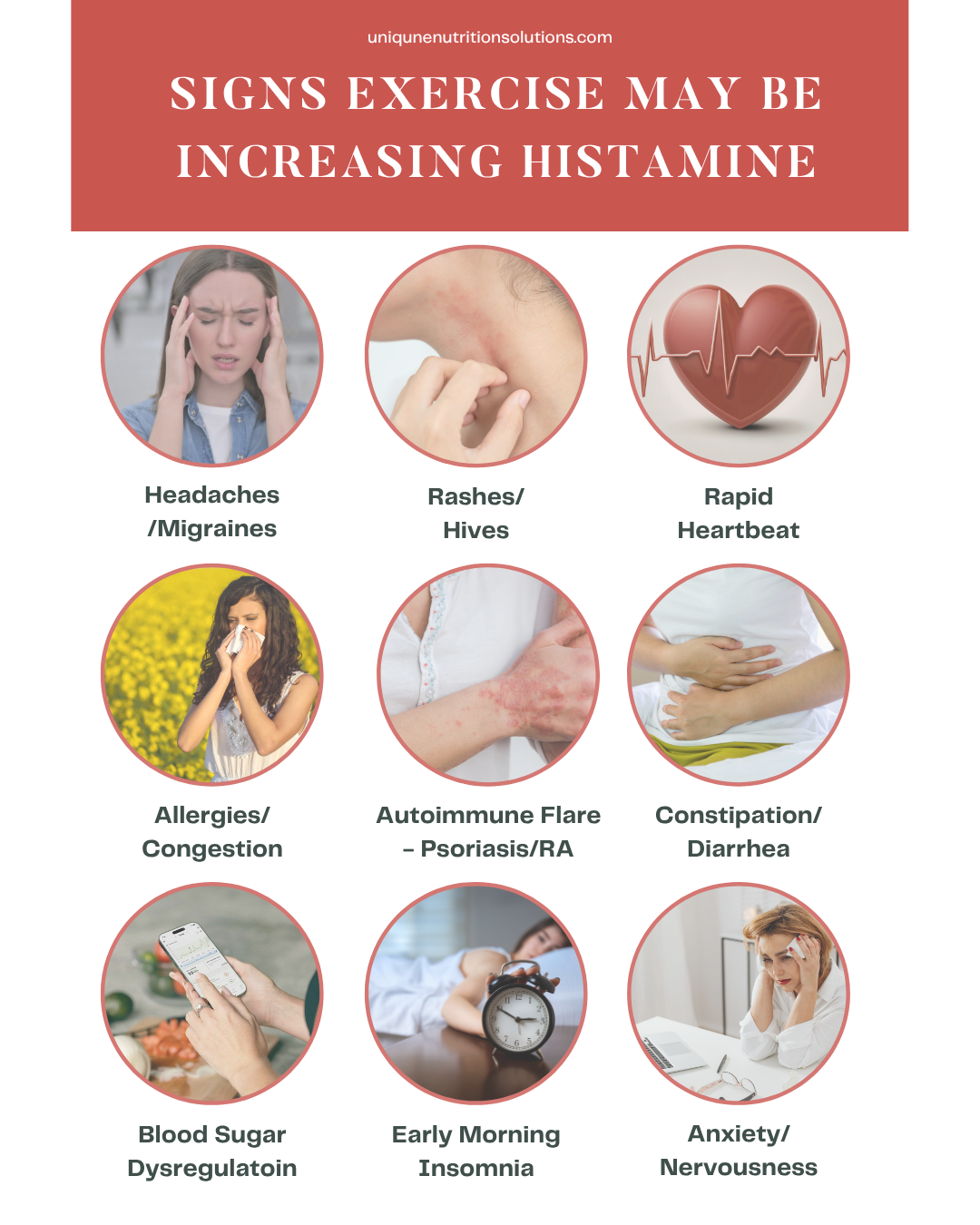
Some common symptoms of exercise-induced histamine release include headaches, flushing, an irregular heartbeat, and, for some women, skin reactions such as itching, hives, or unexplained rashes.
Women who already struggle with environmental allergies or autoimmune conditions such as psoriasis or rheumatoid arthritis may notice that their symptoms worsen with intense exercise or during periods of higher inflammation, sometimes even triggering an autoimmune flare.
Exercise-related histamine release can also affect the digestive system and blood sugar balance. Some women experience constipation, diarrhea, or abdominal discomfort after workouts, especially when combined with dehydration, heat, or poor recovery nutrition.
Others may notice blood sugar swings, shakiness, anxiety, or even early morning insomnia after intense exercise. In many cases, these symptoms are signs that the body is struggling with inflammation, recovery, and histamine balance rather than simply being “out of shape.”
How to Exercise More Safely with Histamine Intolerance
The goal is not to avoid exercise altogether. Instead, it’s about learning how to support your body before, during, and after movement so you can feel better and recover more effectively.
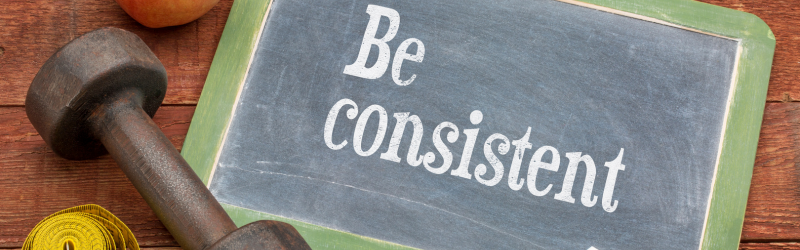
1. Focus on Consistency Over Intensity
Many women with
Start slowly and build gradually. Prioritize recovery days, especially if you notice headaches, flushing, rashes, or fatigue after workouts. More exercise is not always better, especially when your body is already under stress.
Try to avoid the “all or nothing” mindset. A shorter walk, a gentle strength-training session, or a light pickleball game still counts.
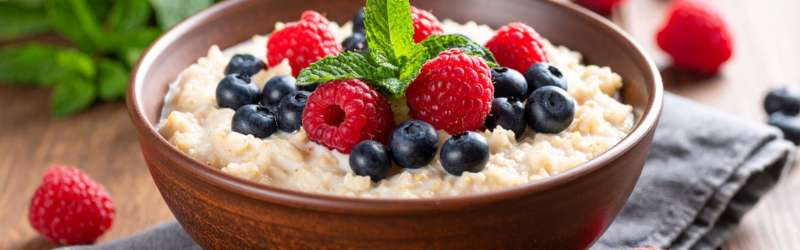
2. Don’t Skip Your Pre-Workout Meal
Many women, myself included, are tempted to work out on an empty stomach. But skipping meals before exercise can quickly lead to low energy, poor focus, blood sugar swings, and increased stress on the body.
If you are trying to better manage histamine levels, aim to eat a small meal or snack containing protein and healthy carbohydrates before exercising.

3. Stay Hydrated
As your core temperature rises during exercise, your body naturally releases histamine to help increase blood flow to working muscles and regulate body temperature. While this is a normal and healthy response, excessive heat and dehydration may increase histamine release and worsen symptoms in women with
Staying well hydrated before, during, and after exercise can help the body better manage temperature changes and reduce stress on the system. Electrolytes may also be beneficial, especially during longer workouts, heavy sweating, or exercise in hot weather, as they help support hydration, circulation, and muscle function.

4. Fuel Properly After Workouts
One of the best ways to support histamine balance is through proper recovery nutrition.
After exercise, focus on:
- Protein to support muscle repair
- Foods rich in antioxidants and polyphenols, like sulforaphane
- Healthy carbohydrates to replenish energy stores
- Fluids and electrolytes for hydration
Foods rich in natural compounds that may help support histamine balance include berries, pomegranate, colorful vegetables, and protein-rich smoothies.
And try not to go hours without eating after a workout. Your muscles and nervous system need fuel to recover properly.
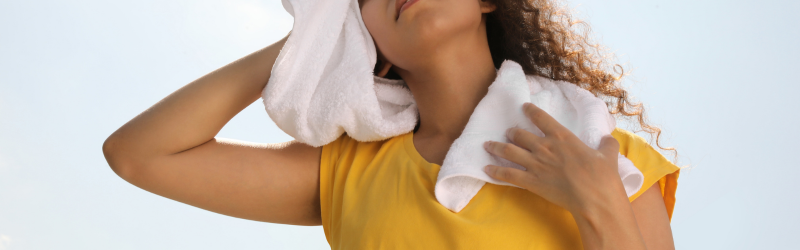
5. Be Careful with Excessive Heat
Heat can increase histamine release in some women, especially during intense exercise or hot summer months.
If you notice symptoms worsening in the heat:
- Exercise earlier in the day
- Choose cooler environments
- Lower workout intensity when temperatures are high
- Use cooling strategies after exercise
Even small adjustments can make a big difference.

6. Pay Attention to Your Cycle
Many women become more sensitive to histamine in the days leading up to their cycle because of hormonal shifts, especially changes in estrogen.
During these times, you may benefit from:
- Lower-intensity workouts
- More recovery time
- Better sleep support
- Staying consistent with meals and hydration
Listening to your body during these phases is not “being lazy.” It works with your physiology rather than against it.

7. Avoid High-Histamine “Reward Meals.”
After exercise, your body may already be producing more histamine. Adding alcohol or a high-histamine meal immediately afterward may push your symptoms over the edge.
That post-workout wine and charcuterie board may sound relaxing… but your histamine bucket may have other opinions.
Final Thoughts
Exercise is not the enemy. In fact, movement is one of the most powerful tools for supporting metabolism, blood sugar, cardiovascular health, mood, and healthy aging.
But if you have
Understanding your genetics, blood sugar patterns, hormone balance, and recovery needs can help you identify:
Which workouts work best for your body
The best way to recover more effectively for you
What you need to do to increase exercise tolerance
How to reduce histamine-related symptoms
Because the goal is not to fear movement.
It’s to help your body feel safe enough to thrive with it.
References
- Jochum, C. (2024). Histamine intolerance: Symptoms, diagnosis, and beyond. Nutrients, 16(8), 1219. https://doi.org/10.3390/nu16081219
- Powers, S. K., Deminice, R., Ozdemir, M., Yoshihara, T., Bomkamp, M. P., & Hyatt, H. (2020). Exercise-induced oxidative stress: Friend or foe? Journal of Sport and Health Science, 9(5), 415–425. https://doi.org/10.1016/j.jshs.2020.04.001
- Schaper-Gerhardt, K., Rossbach, K., Nikolouli, E., Werfel, T., Gutzmer, R., & Mommert, S. (2020). The role of the histamine H4 receptor in atopic dermatitis and psoriasis. British Journal of Pharmacology, 177(3), 490–502. https://doi.org/10.1111/bph.14550
- Kong, Y., Deng, Y., Liu, Y., Han, Y., Zhang, Y., Qi, Z., Cao, M., Li, Y., Du, Y., Jin, Y., & Yu, J. (2026). A potential central hub of histamine in the microbiota–gut–joint axis in rheumatoid arthritis: Mechanisms and translational implications. International Journal of Molecular Sciences, 27, 2315. https://doi.org/10.3390/ijms27052315
- Pini, A., Obara, I., Battell, E., Chazot, P. L., & Rosa, A. C. (2016). Histamine in diabetes: Is it time to reconsider? Pharmacological Research, 111, 316–324. https://doi.org/10.1016/j.phrs.2016.06.021
- Dunn, H. C., Crombie, G. K., Kelly, K. A., Murray, C. B., & VanRyswyk, E. (2022). The intriguing role of histamine in exercise responses. Physiological Reports, 10(3), e15182. https://doi.org/10.14814/phy2.15182


Eileen Schutte, MS, CN, FMN – One of my greatest passions is helping clients overcome food intolerances, such as histamine intolerance and sensitivities, so they can enjoy food again. My other passion is genomics, focusing on histamine intolerance genes and how nutrition and lifestyle changes can support them. I hold a master’s degree in functional nutrition from the University of Bridgeport, Connecticut, graduating Summa Cum Laude. After completing my master’s degree, I earned my certification in Functional Medicine Nutrition and completed advanced genomic courses through Genomic Kitchen. I am also a GEMM (Gut Ecology, Metabolic Modulation) practitioner, and this program is the basis of my Food Tolerance Gut Restoration Program.