My Histamine Journey: Finding the Patterns Beneath the Chaos
When I first learned that I had
Even after cutting out fermented foods, leftovers, and cured meats, I still found myself struggling with insomnia, headaches, itchy skin, and unexpected flares in my IBS and psoriasis.
What finally made a difference was tracking my symptoms and using genomic testing to gain a deeper understanding of my body. Over time, I began to see the patterns. Stress, hormone fluctuations, poor sleep, and even overexercising were powerful triggers.
And the more I learned about how histamine is broken down and cleared from the body, the more I realized how much more there was to this condition than food alone.
If you’ve been in that confusing place too, you’re not alone. Let me share the top seven strategies that helped me—and many of my clients—prevent histamine attacks and regain control.
What is Histamine Intolerance?
Histamine intolerance (HIT) occurs when histamine builds up in your body faster than it can be broken down. It’s not an allergy, but it can mimic allergic reactions—headaches, rashes, bloating, hives, anxiety, insomnia, and more.
HIT often stems from genetic variants or nutrient deficiencies that reduce your body’s ability to break histamine down via two key enzymes. One of these enzymes is diamine oxidase (DAO), which primarily functions in the gut, blocking histamine from food that we eat.
The other enzyme is histamine N-methyltransferase (HNMT) is an enzyme that works inside cells, particularly in the brain and the central nervous system.
Other contributors include leaky gut, chronic inflammation, hormone imbalances, and even your monthly cycle. Learn more about what histamine intolerance is.
Support Your DAO Enzyme to Reduce Histamine
The DAO enzyme is your gut’s frontline defense against histamine in food. When DAO levels are low or not functioning properly, histamine can build up quickly—leading to symptoms like headaches, rashes, or digestive issues.
Several factors can interfere with DAO production, including your genetics, gut inflammation, and certain medications. Even nutrient deficiencies, especially in vitamin C, B6, copper, and magnesium, can impair DAO activity.
To support healthy DAO levels:
-
Prioritize a nutrient-rich diet that includes plenty of vegetables, fruits, and whole grains. These foods help nourish your gut microbiota and strengthen the intestinal barrier, reducing the risk of “leaky gut,” which can compromise DAO function.
-
Avoid or limit alcohol, particularly wine and clear spirits like vodka, as they block DAO activity.
-
Be cautious with certain medications, including ibuprofen, NAC (N-acetylcysteine), and some antihistamines, all of which can inhibit DAO. (See my complete list of DAO-inhibiting drugs and supplements.)
By supporting your gut and giving your body the nutrients it needs, you can help DAO do its job—keeping histamine levels in balance and symptoms in check.
If you are struggling with leaky gut or you have a genetic variant in DAO (AOC1), then you may benefit from using DAO supplements. My favorite DAO supplement is HistaHarmony by Healthy Gut.

Support Histamine Breakdown in the Brain and Central Nervous System
Histamine isn’t just a gut issue—it also acts as a neurotransmitter in the brain, influencing mood, sleep, and focus. To keep brain histamine in balance, your body relies on the enzyme HNMT (histamine N-methyltransferase), which breaks down histamine produced inside your cells, including those in the nervous system.
For HNMT to work efficiently, it depends on a process called methylation—a biochemical pathway that requires vitamin B12, folate, vitamin B2 (riboflavin), and magnesium.
If you often struggle with insomnia, anxiety, migraines, or mood swings, your brain’s histamine-clearing system may need extra support.
There’s also a backup enzyme, called NAT2 (N-acetyltransferase 2), which helps detoxify excess histamine and other compounds. NAT2 plays a critical role in breaking down toxins from things like:
-
Cigarette smoke
-
Exhaust fumes
-
Grilled or charred meats
-
Certain medications, such as sulfasalazine
To support NAT2, your body needs vitamin B5 (pantothenic acid). Eating cruciferous vegetables like broccoli, cabbage, and cauliflower may also enhance this enzyme’s function.
How to Support HNMT and NAT2 Naturally
-
Consider a low-dose B-complex, such as Biotics Research Bio B 100.
-
Avoid high-dose riboflavin—while helpful in some cases, it can trigger histamine release in sensitive individuals.
-
Start slowly: Begin with 1–2 tablets per day, and gradually increase to a full dose (up to 3 per day) as tolerated.
-
Reduce your exposure to chemicals such as tobacco smoke, exhaust, and well-cooked meat that NAT2 is responsible for detoxifying.
⚠️ Be cautious with high-dose B vitamins—they can increase neurotransmitter activity faster than your body can clear, which may lead to anxiety, poor sleep, mood swings, or in sensitive individuals, even histamine-related symptoms like insomnia and headaches.

Calm the Immune System to Reduce Histamine Release
Mast cells are immune cells that play a key role in histamine release. When triggered by allergens, infections, or even emotional stress, these cells release histamine—along with other inflammatory chemicals—that can lead to symptoms like itching, rashes, digestive upset, and more.
Fortunately, certain plant-based compounds can help stabilize mast cells and reduce histamine release. Some of the most effective natural stabilizers include:
-
Quercetin
-
Nettles
-
Luteolin
-
Resveratrol
You can find these compounds in everyday foods like onions, apples, grapes, blueberries, raspberries and elderberries. Among them, quercetin is considered the most potent.
Foods particularly rich in quercetin include:
-
Members of the onion family: garlic, shallots, red and white onions, green onions
-
Elderberries and other berries
-
Fennel
-
Radish leaves
To naturally support your immune system and reduce inflammation, aim to eat the rainbow—a variety of colorful fruits and vegetables every day. These foods are rich in flavonoids, polyphenols, and antioxidants that help keep histamine in check.

⚠️ Important Note if You Have a Reduced COMT Gene Variant
If you have a reduced-function COMT gene, your body may not break down certain compounds like quercetin, luteolin, or fisetin efficiently.
COMT (catechol-O-methyltransferase) is the enzyme responsible for clearing excess estrogen, dopamine, and some plant polyphenols. When overloaded, this pathway can lead to increased dopamine levels, which may result in symptoms like anxiety, agitation, or sleep issues.
If you have COMT sensitivity, try these gentler mast cell stabilizers:
-
Melatonin (especially useful at night to reduce inflammation and support sleep)
Natural antihistamine supplements often contain a combination of these ingredients, but it’s best to personalize your approach based on your genetics and symptom response. Get my COMT Supplement Guide to learn more.
Could Your Genes Help Explain Why You React?
The Food Reaction Genetic Clarity Review examines your existing genetic data alongside your symptoms to answer one important question:
Are there enough meaningful genetic clues to justify looking deeper?
You’ll receive a personalized report with up to three practical priorities and whether a comprehensive genomic evaluation may be worthwhile.
Add Omega-3's to Quiet Inflammation
Chronic inflammation is a major trigger for
Omega-3s, especially EPA and DHA found in cold-water fish like salmon and sardines, not only reduce allergic reactions but also improve immune cell communication and help seal the gut barrier to prevent “leaky gut”.
If you’re highly sensitive to fish, consider a high-quality, low-histamine omega-3 supplement from algae or purified fish oil.
These fats can help calm the storm at a cellular level, giving your body the support it needs to process histamine more efficiently.
Tip: Look for triglyceride-form fish oils, ideally from smaller fish like sardines or anchovies to reduce toxin exposure found in Big Bold Health’s

Stress Less - Seriously To Reduce Histamine
Stress is more than an emotional state—it’s a biochemical trigger that increases histamine release and slows down your ability to break it down.
Chronic stress reduces levels of DAO and HNMT by depleting B vitamins and increasing inflammatory pathways. You may notice symptoms spike after arguments, deadlines, or even intense exercise if you’re already stressed.
Practices like breathwork, yoga, EFT tapping, and journaling can lower cortisol and reduce histamine release.
It’s not about avoiding all stress, but learning to regulate your response and restore your nervous system’s balance. Check out my Stress Resiliency Toolkit to learn how you can dial down stress.
Prioritize Deep, Restorative Sleep
Sleep isn’t just rest—it’s essential histamine regulation time. Histamine plays a role in your sleep/wake cycle, and people with
Supporting your body’s natural circadian rhythm—through regular sleep schedules, minimizing blue light at night, and gentle evening routines—can reduce histamine overproduction.
Natural supports like plant-based melatonin, magnesium glycinate, and calming herbs can also be helpful.
Interestingly, melatonin has been shown to help regulate mast cell activity and reduce histamine levels overnight.
So getting good sleep is not just a essential for your overall health, it is about reducing histamine and preventing another attack.
Learn more about the role of histamine in our sleep/wake cycle.

Exercise and Histamine: How to Stay Active Without Triggering a Flare
How to Stay Active with
Exercise is great for your health, but if you have
While this is normal, overtraining or skipping recovery—especially if you’re dealing with hormone imbalances, stress, or poor sleep—can lead to histamine overload.
My Experience with Histamine Flares from Exercise
When I played tennis several times a week, I noticed a pattern: after intense sessions, I’d get headaches, insomnia, and skin flares—classic signs of histamine spikes.
These symptoms were worse right before my period, when estrogen peaks. Estrogen can raise histamine and lower DAO, the enzyme that helps clear it—making symptoms even worse.
How I Manage It (and What Works for Clients Too)
✅ Prioritize Recovery: Rest between intense workouts. Add in gentle movement like walking, Pilates, or yoga.
✅ Eat Smart Post-Workout: Avoid histamine-rich foods like wine, cheese, or leftovers. Choose fresh, anti-inflammatory meals with leafy greens, sweet potatoes, fish, or lean poultry.
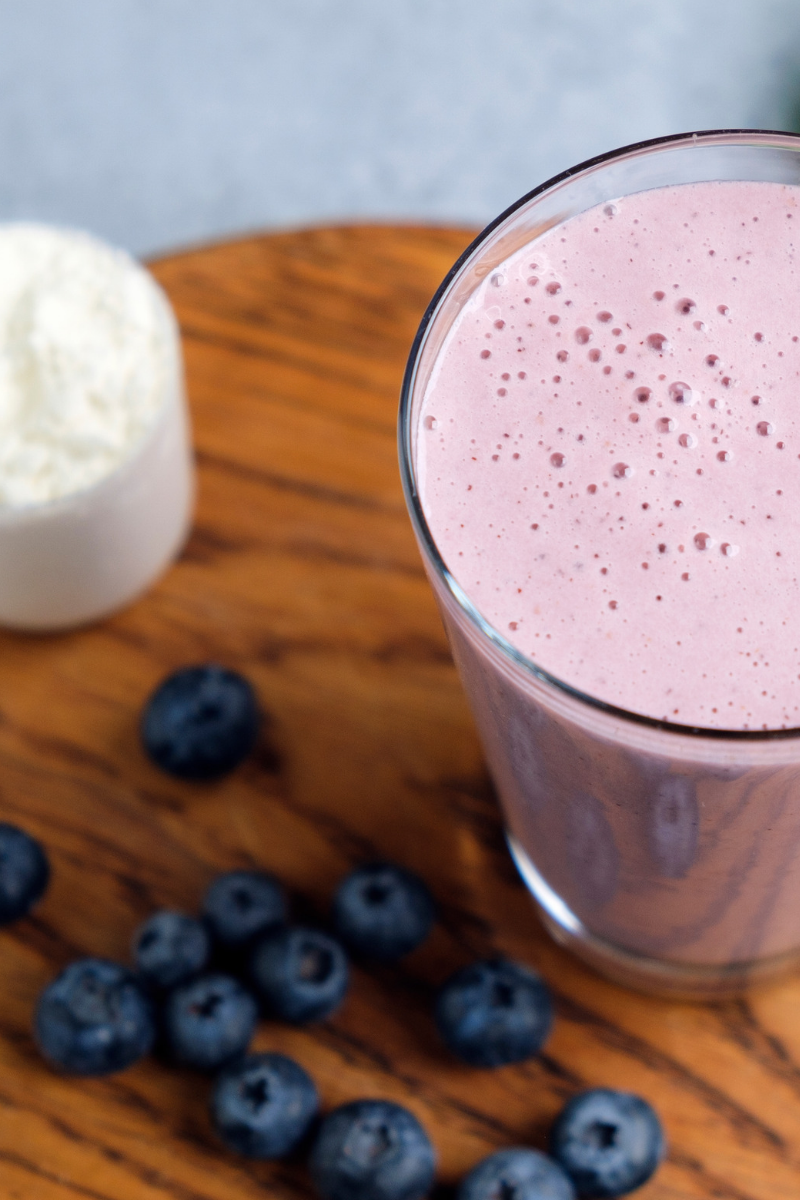
✅ Support Histamine Clearance: Take a DAO supplement before intense activity if needed. Use low-histamine recovery shakes with clean protein, greens, and berries.
✅ Track Your Cycle: Histamine flares often peak before your period. Plan intense workouts earlier in your cycle, and scale back right before your period.
Wrap It Up: A Root-Cause Approach to Histamine Balance
Histamine intolerance is complex, but it’s also manageable once you understand the root causes.
Supporting your body’s ability to break down and clear histamine—through gut health, enzyme support, balanced immune function, and lifestyle practices—can reduce symptoms dramatically.
Genomic testing can help uncover which pathways may be blocked for you. And don’t forget: gut health is the foundation. A healthy microbiome and strong gut lining are essential for DAO production and histamine clearance.
Ready to Get Started?
If you’re ready to stop guessing and start healing, I invite you to schedule a call to learn about my Histamine Intolerance Genomics Programs. There’s no one-size-fits-all solution—but there is a strategy that’s right for you.
References
- Schnedl, W.J., & Enko, D. (2021). Histamine Intolerance Originates in the Gut. Nutrients, 13(4), 1262. https://doi.org/10.3390/nu13041262
- Yoshikawa, T., Nakamura, T., & Yanai, K. (2019). Histamine N-Methyltransferase in the Brain. International Journal of Molecular Sciences, 20(3), 737. https://doi.org/10.3390/ijms20030737
- Vallejos, O.P., Bueno, S.M., & Kalergis, A.M. (2024). Probiotics in Inflammatory Bowel Disease: Microbial Modulation and Therapeutic Prospects. Trends in Molecular Medicine. https://doi.org/10.1016/j.molmed.2024.12.005
- Schnedl, W.J., & Enko, D. (2021). Histamine Intolerance: The More We Know the Less We Know. Nutrients, 13, 2228.
- Vallejos, O.P., Bueno, S.M., & Kalergis, A.M. (2024). Butyrate: Sentinel of the Gut. Trends in Molecular Medicine.
- Romano, K.A., et al. (2024). Allergy Modulation by n-3 Long Chain Fatty Acids. Mediterranean Diet & Immunity Journal.
- General Resources:
• Linus Pauling Institute. Micronutrient Information Center: Pantothenic Acid (Vitamin B5). Retrieved from: https://lpi.oregonstate.edu/mic/vitamins/pantothenic-acid


Eileen Schutte, MS, CN, FMN – One of my greatest passions is helping clients overcome food intolerances, such as histamine intolerance and sensitivities, so they can enjoy food again. My other passion is genomics, focusing on histamine intolerance genes and how nutrition and lifestyle changes can support them. I hold a master’s degree in functional nutrition from the University of Bridgeport, Connecticut, graduating Summa Cum Laude. After completing my master’s degree, I earned my certification in Functional Medicine Nutrition and completed advanced genomic courses through Genomic Kitchen. I am also a GEMM (Gut Ecology, Metabolic Modulation) practitioner, and this program is the basis of my Food Tolerance Gut Restoration Program.