A Simple, Food-First Plan for Reactive Days—Without Shrinking Your Diet Forever
When a histamine reaction hits, it is tempting to search for the perfect food list, eliminate half the refrigerator, or add several new remedies at once. But a reactive day is not the time to overhaul everything. It is the time to make eating simpler, lower the number of variables, and give your body a chance to settle.
A “histamine attack” is not a formal diagnosis. It is a phrase many people use for a sudden cluster of symptoms they associate with histamine – such as headache or migraine, brain fog, flushing, itching, digestive upset, a racing heart, anxiety, or insomnia. These symptoms are not specific to histamine, so recurring or severe episodes deserve medical evaluation rather than endless dietary detective work.
Please do not try to manage a medical emergency with food. Trouble breathing, swelling of the tongue or throat, fainting, chest pain, rapidly worsening symptoms, or a sudden severe headache require urgent medical care. Follow your prescribed emergency plan if you have one.
First, Simplify the Meal
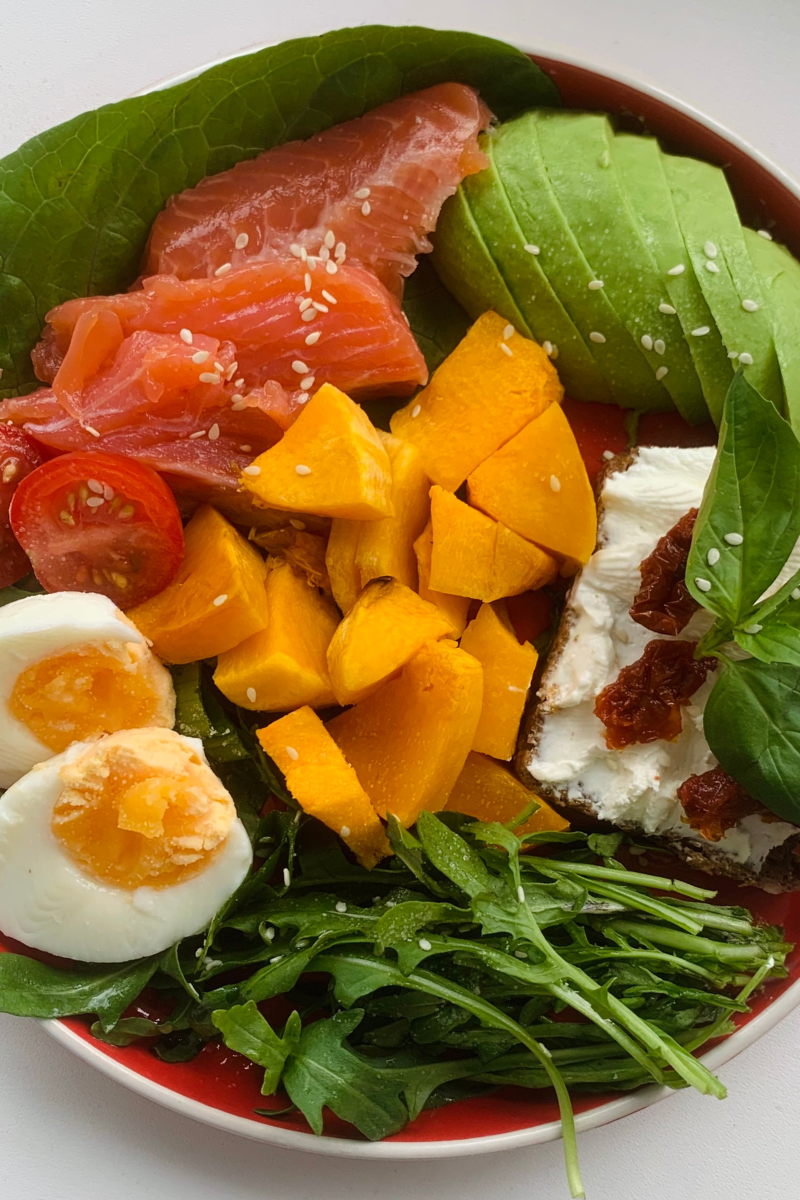
On a reactive day, think in components rather than recipes. A practical plate may include one familiar protein, one easy-to-digest carbohydrate, one or two tolerated fruits or vegetables, and fluid. Fewer ingredients make it easier to eat enough and easier to notice what feels supportive.
This is a short-term calming strategy, not a new forever diet. The goal is not to create the smallest possible food list. It is to reduce the immediate load while protecting nourishment, hydration, and blood sugar stability.
A simple reactive-day formula: familiar protein + gentle carbohydrate + tolerated produce + water or an electrolyte option like this one.
1. Choose a Fresh Protein You Already Tolerate
Protein can help make the meal more satisfying and reduce the temptation to graze on random foods when you already feel unwell. Freshness and handling matter because histamine and other biogenic amines can accumulate during storage, especially when temperature control is poor.
If you tolerate animal protein, use meat, poultry, eggs, or fish that has been handled well and cooked promptly. Commercially frozen fish may sometimes be a more predictable choice than fish that has spent an unknown amount of time at the seafood counter. “Fresh” is a handling history, not merely a label.
If plant-based proteins feel gentler for you, possible choices include freshly cooked quinoa, plain nonfermented tofu, or chickpeas. However, use only foods you already know you tolerate. Chickpeas and soy can be challenging for some people due to FODMAPs or other biogenic amines, even when they are not particularly high in histamine.
Dairy does not need to be automatically eliminated during a histamine flare.
Aged and fermented cheeses are more likely to contain histamine, but fresh milk and fresh, uncured cheeses may be reasonable protein sources when you tolerate dairy.
Plain cottage cheese or ricotta can be especially helpful when you need something simple and do not want meat, fish, or another serving of beans.
Dairy tolerance is still individual. Lactose intolerance, milk protein allergy, digestive sensitivity, and
Choose a familiar product with a relatively simple ingredient list rather than assuming either dairy or a dairy-free substitute is automatically the healthier choice.
From my own experience: When my reactions showed up as migraine or headaches, brain fog, and insomnia—often after I had exercised too much—I usually did best with a simple meal built around a familiar vegetarian protein, such as fresh cottage cheese or a tolerated plant protein, along with careful hydration. That was my pattern, not a rule that every person with histamine symptoms must follow.
2. Add a Gentle Carbohydrate
Reactive days are rarely improved by accidentally under-eating. A familiar carbohydrate can provide energy, make the meal easier to digest, and help you avoid long gaps between meals.
Depending on your usual tolerance, options may include white rice, rice noodles, quinoa, oats, or peeled potatoes.
If you are also dealing with bloating, cramping, or diarrhea, a temporarily lower-fiber choice may feel easier than a large salad, a bowl of beans, or several servings of raw vegetables.
If FODMAPs are part of your pattern, choose a carbohydrate you already know works for you. A histamine flare is not the moment to layer three restrictive diets on top of one another.
Choose Lower-Histamine Fruits and Vegetables
Most nonfermented plant foods do not contain meaningful amounts of histamine.
Research has found notably higher, but highly variable, histamine levels in spinach, eggplant, tomato, and avocado. Other plant foods may still bother an individual because of putrescine, spermidine, FODMAPs, salicylates, oxalates, or simple digestive tolerance.
During a flare, choose one or two familiar options rather than trying to eat every “safe” food on a chart.
Examples that many people use include carrots, zucchini, cucumber, lettuce, cabbage, broccoli, apples, blueberries, grapes, or peaches – but your own history matters more than a generic list.
Preparation may matter too. One small cooking study found that boiling often had little effect or lowered measured histamine, while grilling and frying sometimes increased its concentration. The authors noted important limitations, including a small food selection and moisture-related concentration effects.
In practical terms, boiled or gently cooked foods may be worth trying when digestion is unsettled, but you do not need to fear every roasted vegetable for the rest of your life.
4. Be Strategic With Leftovers
Histamine that has already formed in food is heat-stable, so reheating will not remove it.
Freezing cannot remove existing histamine either, but it can slow the microbial activity that allows additional histamine and other biogenic amines to form.
To make leftovers more predictable, divide extra food into shallow, single-serving containers shortly after cooking and freeze them promptly.
Standard food-safety guidance recommends refrigerating perishable food within two hours.
If you are particularly sensitive to histamine, consider freezing planned leftovers within about one hour—or as soon as they have been safely portioned—instead of storing them in the refrigerator for several days.
When you are ready to eat, thaw only the portion you need and reheat it once.
This means batch cooking can still work with
histamine intolerance . With the right routine, your freezer becomes part of the solution—not the villain wearing an ice-cube costume.
5. Hydrate—Expecially After Exercise or Heat
If a reactive day follows a hard workout, heat exposure, sweating, diarrhea, or simply forgetting to drink, start with steady hydration.
Sip water rather than forcing a large amount at once. A familiar electrolyte product like this one, or a lightly salted meal, may also be useful after substantial sweating, provided sodium or fluid restriction is not part of your medical care.
Exercise itself uses histamine signaling as part of normal blood flow and adaptive responses.
That does not make exercise harmful, but it may help explain why intensity, heat, hydration, recovery, and food timing can affect how some people feel afterward.
6. Keep Meals Regular Enough to Support Blood Sugar
Skipping meals because you are afraid to eat can leave you shaky, headachy, wired, nauseated, or unable to sleep—symptoms that can overlap with what many people call a histamine reaction.
Aim for simple, balanced meals at familiar times rather than fasting through the episode or surviving on fruit alone.
Histamine signaling and metabolic regulation interact, but the current literature does not show that blood sugar stabilization is a stand-alone treatment for an acute histamine reaction.
The practical reason to include protein and carbohydrate is simpler: adequate, regular nourishment removes one more source of stress and symptom confusion.
What About Supplements During a Histamine Flare?
Do not automatically add a stack of new products when symptoms are already noisy. Complex formulas, flavored powders, high doses, or several products taken together can make it almost impossible to tell what is helping and what is adding to the problem.
If you already know that a nonessential product tends to worsen your headache, insomnia, flushing, nausea, or brain fog, it may be reasonable to pause it briefly and review it with your clinician or functional medicine practitioner, especially if they recommended it.
Some people report feeling overstimulated or unwell with certain B-complex formulas, but that does not mean B vitamins universally raise histamine. Dose, form, timing, other ingredients, nutrient status, medications, and individual genetics may all affect tolerance.
Do not stop prescription medication, medically necessary nutrients, or a clinician-directed treatment plan without speaking with the prescriber. If reactions repeatedly follow a supplement, bring the bottle – including the full ingredient list – to the professional helping you. The tiny “other ingredients” line is sometimes where the plot twist lives.
What to Temporarily Avoid During a Reactive Day
Rather than banning a long list, temporarily step back from the most common high-variability or high-histamine categories and from anything you already recognize as a trigger:
- Fermented and aged foods: aged cheese, cured meat, kombucha, sauerkraut, kimchi, vinegar-heavy foods, and fermented soy products.
- Poorly stored or older protein foods: especially fish, meat, or poultry with an uncertain time and temperature history.
- Long-held leftovers: including restaurant leftovers that may have been cooked well before they reached your table.
- Your known problem foods: even if an online list calls them low histamine.
- New foods and new supplements: wait until the reaction has settled so you can judge them more clearly.
Alcohol is also worth avoiding during a flare. It can contain histamine or other amines and may interfere with histamine metabolism, worsening sleep, hydration, and headache symptoms.
A Simple One-Day Example
This example is intentionally flexible. Substitute foods based on your established tolerance, dietary pattern, allergies, medical needs, and appetite.
- Breakfast: oatmeal or rice cereal with blueberries, plus a tolerated protein.
- Lunch: freshly cooked quinoa with gently cooked zucchini and carrots, plus plain tofu or another familiar protein.
- Snack, if needed: an apple or tolerated crackers paired with a familiar protein or fat.
- Dinner: white rice or peeled potatoes, cooked cabbage or broccoli, and freshly prepared poultry, fish, tofu, or another tolerated protein.
- Fluids: water throughout the day; add a familiar electrolyte option when sweating or fluid loss warrants it.
When Reactions Keep Happening
For some women, this simplified approach is enough to get through an occasional reactive day.
When reactions continue, the answer is usually not a permanently shrinking list of foods.
Repeated symptoms may point to overlapping issues such as gut inflammation, altered digestion or motility, poor histamine clearance, hormone shifts, medication or supplement effects, blood sugar instability, sleep loss, stress, or genetic pathways that influence food tolerance.
That is when it helps to stop asking only, “Which food was it?” and begin asking, “What is lowering my tolerance right now?”
Histamine Food Confidence Kit
A 7-day starter kit for women who feel like “healthy foods” keep making them feel worse.
You’ve tried to eat clean. You swapped processed foods for spinach, avocado, yogurt, kombucha, fermented vegetables, bone broth, tomatoes, leftovers, and “gut-healing” meals.
And then somehow… your body staged a tiny rebellion.
Your Next Step: Build a Plan Before the Next Reactive Day
The Histamine Food Confidence Kit is designed to help you create simple low-histamine meals, handle leftovers, plan for reactive days, and make food decisions with more confidence – without living on an endless elimination diet.
Join the Histamine Food Confidence Kit waitlist.
If reactions remain frequent or your food list continues to shrink, a deeper next step may be appropriate.
The Food Reaction Gene Snapshot can help identify whether meaningful genetic patterns deserve a closer look, while the Food Tolerance & Gut Restoration Program focuses on digestive function, gut ecology, and rebuilding food variety.
You do not need every program at once; you need the level of support that fits the pattern in front of you.
Important Note
This article is for education only and is not a substitute for diagnosis or medical treatment. Histamine-related symptoms overlap with allergy, migraine, medication effects, infections, endocrine conditions, gastrointestinal disorders, and other health concerns. Seek medical care for new, severe, escalating, or persistent symptoms.
References
- Comas-Baste O, et al.
Histamine Intolerance : The Current State of the Art. Biomolecules. 2020;10(8):1181. https://doi.org/10.3390/biom10081181 - Sanchez-Perez S, et al. Biogenic Amines in Plant-Origin Foods: Are They Frequently Underestimated in Low-Histamine Diets? Foods. 2018;7(12):205. https://doi.org/10.3390/foods7120205
- Chung BY, et al. Effect of Different Cooking Methods on Histamine Levels in Selected Foods. Ann Dermatol. 2017;29(6):706-714. https://doi.org/10.5021/ad.2017.29.6.706
- El Hariri O, Bouchriti N, Bengueddour R. Risk Assessment of Histamine in Chilled, Frozen, Canned and Semi-Preserved Fish in Morocco. Foods. 2018;7(10):157. https://doi.org/10.3390/foods7100157
- Luttrell MJ, Halliwill JR. The Intriguing Role of Histamine in Exercise Responses. Exerc Sport Sci Rev. 2017;45(1):16-23. https://pubmed.ncbi.nlm.nih.gov/27741023/
- USDA Food Safety and Inspection Service. Leftovers and Food Safety. https://www.fsis.usda.gov/food-safety/safe-food-handling-and-preparation/food-safety-basics/leftovers-and-food-safety


Eileen Schutte, MS, CN, FMN – One of my greatest passions is helping clients overcome food intolerances, such as histamine intolerance and sensitivities, so they can enjoy food again. My other passion is genomics, focusing on histamine intolerance genes and how nutrition and lifestyle changes can support them. I hold a master’s degree in functional nutrition from the University of Bridgeport, Connecticut, graduating Summa Cum Laude. After completing my master’s degree, I earned my certification in Functional Medicine Nutrition and completed advanced genomic courses through Genomic Kitchen. I am also a GEMM (Gut Ecology, Metabolic Modulation) practitioner, and this program is the basis of my Food Tolerance Gut Restoration Program.