If healthy eating seems to make your symptoms worse, you may feel as if your body has stopped following the rules.
You add spinach to a smoothie, drizzle balsamic vinegar over a salad, snack on avocado, or eat fermented vegetables for gut health. Instead of feeling nourished, you develop a headache, itchy skin, congestion, heartburn, anxiety, or another night of staring at the ceiling at 3:00 a.m.
For many women, these reactions become more noticeable during perimenopause. Hormones are changing, histamine tolerance may feel less predictable, and foods praised for hormone health do not always feel good in a reactive body.
This does not mean you need a stricter diet or a longer list of foods to fear. It means your nutrition plan needs to do more than feature a handful of so-called hormone-balancing superfoods.
THE GOAL
Support estrogen metabolism, histamine clearance, gut health, blood sugar stability, and food tolerance together—without trying to control every symptom by removing more food.
What Does “Estrogen Balance” Really Mean?
Estrogen balance is often described as if estrogen were simply too high or too low. In reality, estrogen changes throughout the menstrual cycle and shifts considerably during perimenopause.
The body must also produce estrogen, transport it, respond to it, chemically modify it, and eliminate its metabolites.
After the liver processes estrogen, many estrogen metabolites leave through urine or bile. Those released into bile enter the intestines and ideally leave the body through the stool. Some can be changed by intestinal microbes and reabsorbed into circulation.
This is one reason gut health, dietary fiber, and regular bowel movements belong in a conversation about estrogen.
However, food does not act like a dial that neatly turns estrogen up or down. A vegetable cannot diagnose a hormone problem, and a seed cannot replace appropriate medical care.
Nutrition is best used to support the systems involved—not to promise a hormonal reset.
Where Histamine Fits Into the Hormone Picture?
Histamine isn’t just found in aged cheese or red wine. Your body makes it, too. It helps coordinate immune responses, stomach-acid production, blood-vessel signaling, and the sleep–wake cycle.
Laboratory research shows that estradiol can interact with estrogen receptors on mast cells and make them more responsive, which can increase the release of histamine and other inflammatory compounds.[1]
Research using cultured human ovarian cells has also found that histamine can influence estradiol production.[2]
These findings help explain a possible two-way relationship between estrogen and histamine.
They do not prove that every headache, rash, or sleep problem during perimenopause is caused by an estrogen–histamine feedback loop. Human clinical research is still limited, and symptoms can have many causes.
For a deeper explanation, read Estrogen & Histamine: The Hidden Hormone Link Behind Your Symptoms.
Why the Usual “Hormone Superfoods” List Can Backfire
A standard hormone-health guide may recommend fermented foods, balsamic vinegar, spinach, tomatoes, avocado, soy sauce, matcha, and leftovers packed into meal-prep containers for the week.
Each of those foods may fit into a nutritious diet.
But several can be difficult during a histamine flare because they are fermented, aged, stored for long periods, or simply not well tolerated by that individual.
Histamine content also varies with freshness, processing, storage, microbes, and testing methods. That is one reason low-histamine food lists often disagree. Reviews of low-histamine diets have found wide variation in which foods are excluded.[3,4]
Instead of asking, “What are the ten best foods for hormones?” a more useful question is:
A BETTER QUESTION
Which foods can support my hormones and gut while staying within my current level of histamine tolerance?
7 Food-First Ways to Support Estrogen Balance With Histamine Intolerance
1. Start With a Balanced Plate, Not a Perfect Food List
Hormone health is not built from one ingredient. Begin with a simple meal structure that supports energy, muscle, blood sugar, digestion, and satiety:
- A freshly prepared protein you tolerate
- One or two vegetables
- A fiber-rich carbohydrate
- A source of healthy fat
- Fruit or fresh herbs for color and plant compounds
Pairing carbohydrates with protein, fiber, and fat can help create a steadier glucose response than eating a refined carbohydrate by itself. That matters because changing estrogen levels can coincide with changes in insulin sensitivity and body composition during the menopause transition.
You do not need to remove carbohydrates. Choose the type and amount that work for you, and build a complete meal around them.
2. Make Room for Cruciferous Vegetables
Broccoli, cabbage, cauliflower, Brussels sprouts, bok choy, kale, arugula, and broccoli sprouts contain glucosinolates. When these compounds are chopped, chewed, and digested, they form bioactive compounds, including indole-3-carbinol.
Small human studies using concentrated indole-3-carbinol have shown changes in urinary estrogen-metabolite patterns.[5] That makes cruciferous vegetables interesting, but it does not mean one serving of broccoli “detoxes estrogen” or guarantees protection from a hormone-related condition.
Think of cruciferous vegetables as one useful part of a varied diet. If raw vegetables cause bloating, try them lightly steamed, roasted, or sautéed. Start with the portion your digestive system can manage.
Should You Replace All Leafy Greens?
No. Spinach frequently appears on higher-histamine or histamine-triggering food lists and can also be challenging for women watching oxalates. But “leafy greens” is a broad category.
Romaine, butter lettuce, kale, arugula, and bok choy may offer better options, depending on your personal tolerance. Kale, arugula, and bok choy have the bonus of being both leafy greens and members of the cruciferous family.
3. Use Fiber to Support the Gut–Estrogen Exit Route
Once estrogen metabolites reach the intestines, regular elimination helps move them out of the body. Fiber also feeds the gut ecosystem and supports stool formation. Observational and small dietary studies suggest relationships among fiber intake, the microbiome, and circulating or excreted estrogens, but the effect varies by fiber type and study population.[6–8]
More is not always better—especially when a reactive gut has been living on a very short food list. Jumping from very little fiber to a bowl full of bran, beans, and raw broccoli is a dependable way to make your digestive system file a formal complaint.
Increase fiber gradually and use foods you already tolerate. Options may include:
- Freshly ground flaxseed
- Chia seeds
- Oats or tolerated whole grains
- Apples, pears, blueberries, or cherries
- Carrots, squash, cabbage, broccoli, or green beans
- Small portions of lentils or beans
- Resistant starch from properly handled cooked-and-cooled potatoes or rice
If adding fiber tends to cause bloating or food reactions, see Resistant Starch & Histamine Intolerance: How to Add Fiber Without Overwhelming Your Gut.
4. Let Flaxseed Be Helpful—Without Asking It to Perform Magic
Flaxseed provides fiber and lignans, plant compounds that intestinal microbes convert into enterolignans. These compounds can interact with estrogen pathways. Small studies in postmenopausal women have found that flaxseed can change urinary estrogen-metabolite patterns, but that is not the same as proving that flaxseed will correct a hormone imbalance or relieve every menopausal symptom.[9,10]
A practical starting amount is one teaspoon to one tablespoon of freshly ground flaxseed, followed by additional fluid. Increase only if your digestive system is comfortable. Whole flaxseed often passes through the digestive tract without being fully broken down.
5. Choose Soy by Form and Tolerance
Soy contains isoflavones, sometimes casually described as plant estrogen. That description is incomplete. Isoflavones interact with estrogen receptors differently from the estrogen your body makes, and their effects can vary by tissue, dose, metabolism, and the individual.
Research on soy or soy isoflavones for menopausal symptoms is mixed.[11,12] If you tolerate soy, fresh or minimally processed options such as edamame, plain tofu, or unsweetened soy milk may provide protein and isoflavones.
Fermented soy foods are a different decision for
6. Pay Attention to Freshness—Especially With Protein
Histamine can increase in food as microbes break down the amino acid histidine. Aging, curing, fermenting, and prolonged storage are therefore more relevant than whether a food has earned a “healthy” label.
Choose the freshest protein available and handle it promptly. Depending on your tolerance, useful options may include eggs, freshly cooked poultry, meat or fish that was frozen quickly, plain non-aged dairy, tofu, or carefully introduced legumes.
Cool extra portions quickly and freeze them in individual containers rather than keeping a large batch in the refrigerator for several days. Reheating does not reliably remove histamine that has already formed.
7. Replace Foods That Are Working Against the Goal
You do not receive bonus nutrition points for forcing down a trendy food that repeatedly makes you feel worse. During a reactive period, consider these practical swaps:
- Balsamic Vinegar: Extra-virgin olive oil, fresh herbs, garlic, and salt; add fresh lemon only if tolerated
- Kimchi or Sauerkraut: Fresh cabbage slaw, lightly sautéed cabbage
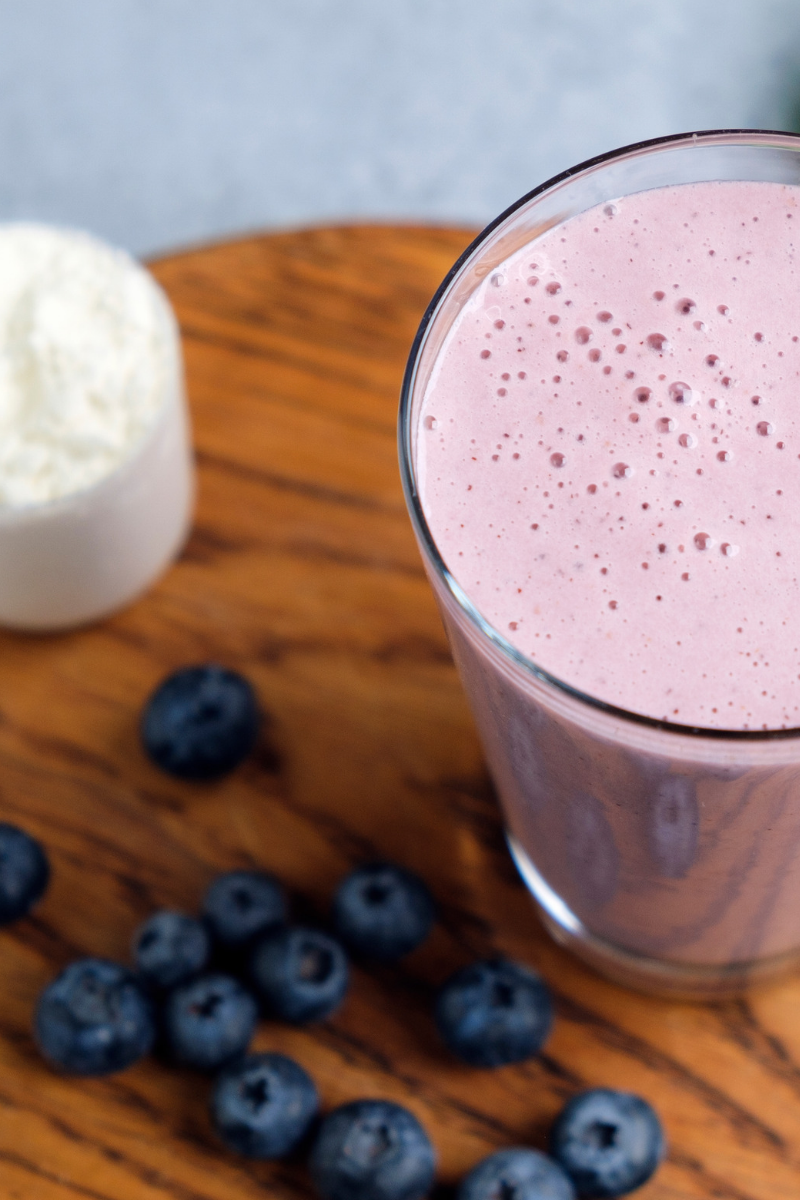
- Spinach Smoothie: Blueberries with kale or another personally tolerated green
- Soy Sauce, Miso, or Tempeh: Fresh herbs, ginger, garlic, or plain tofu/edamame if tolerated. Some people can tolerate Coconut Aminos
- Leftover Protein (3-4 days old): Freshly cooked protein or an individual portion frozen soon after cooking
- Matcha – when anxious or struggling with insomnia: Rooibos, ginger tea, or another caffeine-free beverage
What a Low-Histamine, Estrogen-Supportive Day Might Look Like
This is an example—not a prescription. Adjust portions and foods for appetite, health needs, preferences, and tolerance.
- Breakfast: Oatmeal with freshly ground flaxseed and blueberries, paired with eggs or another tolerated protein.
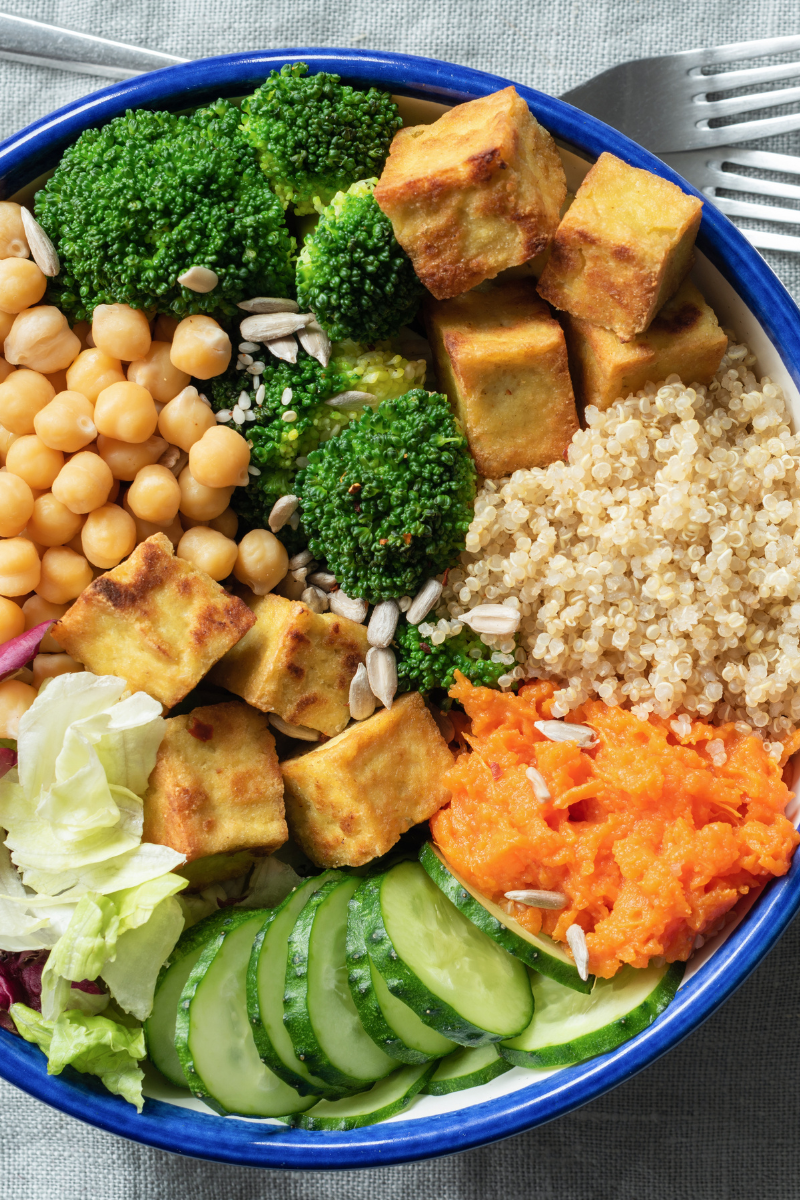
- Lunch: Freshly cooked chicken or tofu with rice or quinoa, broccoli and cabbage, dressed with olive oil and fresh herbs.
- Snack: A pear with pumpkin seeds, or plain cottage cheese if dairy is tolerated.
- Dinner: Turkey patties or another fresh protein with roasted potatoes, bok choy, and carrots.
On a more reactive day, meals may need to be simpler. That is okay. The goal is to lower the immediate load without letting a short-term strategy become a permanently restricted diet.
What This Approach Does Not Require
- Avoiding every food that appears on an online histamine list
- Eating cruciferous vegetables at every meal
- Taking DIM, calcium D-glucarate, or a cabinet full of hormone supplements
- Using the phrase “estrogen dominance” to explain every symptom
- Following a very low-histamine diet indefinitely
Supplements may have a place in an individualized plan, but they are not automatically safer or more effective because they concentrate a food compound.
This is especially important if you are sensitive to B vitamins, methyl donors, herbal products, or multi-ingredient formulas.
When Food Is Only One Piece of The Puzzle
If reactions keep happening despite careful food choices, the next step is not always to remove more foods.
Persistent symptoms may also involve digestive function, constipation, gut inflammation, microbial imbalance, medications, hormone therapy, blood-sugar instability, immune activation, stress, or genetic pathways involved in histamine and estrogen metabolism.
New or severe symptoms—especially fainting, breathing difficulty, rapid heartbeat, heavy or unusual bleeding, or signs of an allergic reaction—need medical evaluation.
If symptoms changed after starting or adjusting hormone therapy, discuss that pattern with the prescribing clinician rather than trying to manage the dose through diet.
The Bottom Line
The best nutrition plan for estrogen balance is not a list of ten superfoods. It is a flexible pattern that supports the liver, gut, regular elimination, blood sugar, muscle, and overall nutrient needs while respecting your current histamine tolerance.
Cruciferous vegetables, freshly ground flaxseed, tolerable fiber, adequate protein, colorful plant foods, and careful food storage can all play a role.
But the most nutritious food is only useful if your body can manage it today.
Start with foods you tolerate. Add variety gradually. Pay attention to patterns rather than blaming one ingredient.
The goal is not to eat from a tiny “safe” list forever—it is to help your body become more resilient so food can feel nourishing again.


Eileen Schutte, MS, CN, FMN – One of my greatest passions is helping clients overcome food intolerances, such as histamine intolerance and sensitivities, so they can enjoy food again. My other passion is genomics, focusing on histamine intolerance genes and how nutrition and lifestyle changes can support them. I hold a master’s degree in functional nutrition from the University of Bridgeport, Connecticut, graduating Summa Cum Laude. After completing my master’s degree, I earned my certification in Functional Medicine Nutrition and completed advanced genomic courses through Genomic Kitchen. I am also a GEMM (Gut Ecology, Metabolic Modulation) practitioner, and this program is the basis of my Food Tolerance Gut Restoration Program.