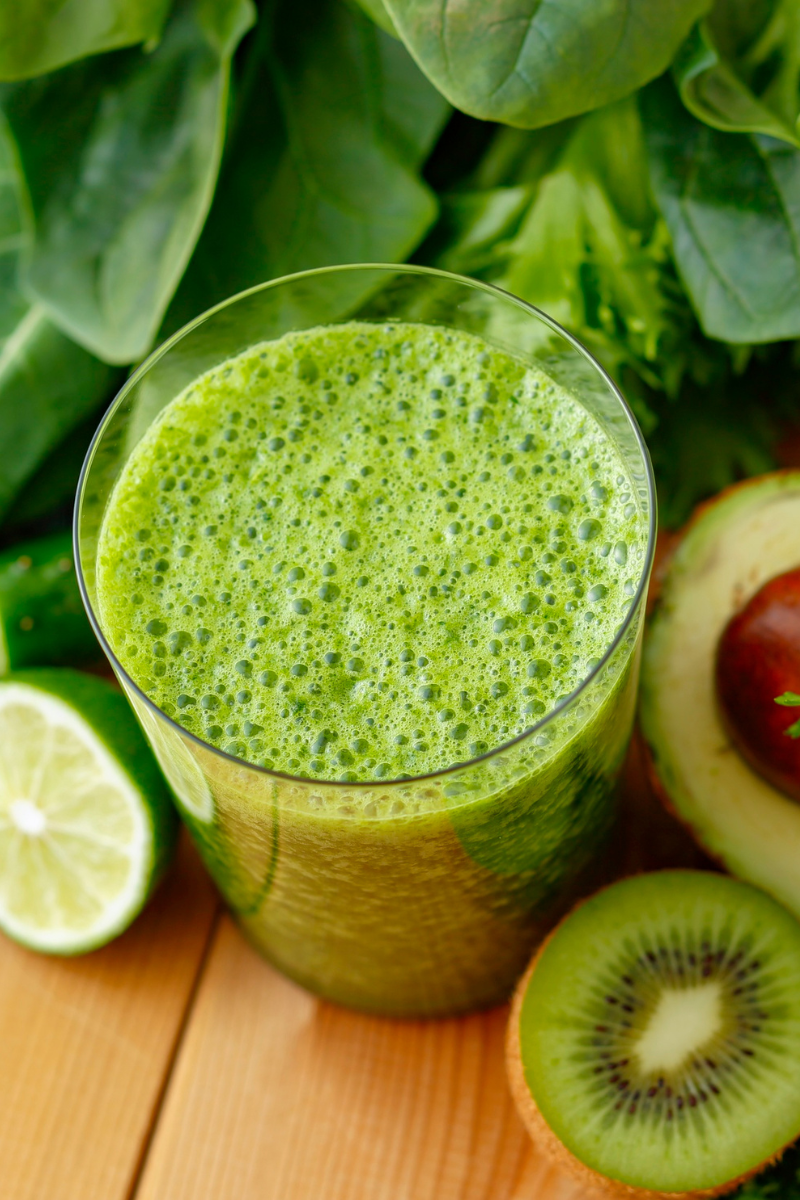
A food-first approach to supporting your microbiome, intestinal barrier, and long-term food tolerance.
Core Message: A healthier gut is not built by chasing one microbe, one powder, or one perfect diet. It is supported by repeatedly giving your own cells and your gut microbes the raw materials they need – at a pace your body can tolerate.
If your digestion has felt different since antibiotics, a stomach infection, a stressful season, or months of restrictive eating, it is tempting to search for the one probiotic or supplement that will finally fix your gut.
But the gut is an ecosystem, not a broken appliance with one replacement part.
The foods you eat influence which microbes are fed, which compounds they produce, how regularly your bowels move, and how well the intestinal lining performs its protective work.
That is why I use a food-first approach influenced by Gut Ecology & Metabolic Modulation (GEMM) principles: build a strong nutritional foundation, expand plant and fiber diversity gradually, and use targeted support only when it has a clear purpose.
This is not another elimination diet. The goal is not to create the shortest possible food list. The goal is to help your digestive system become more resilient so that, over time, your diet can become broader, more nourishing, and easier to live with.
Gut Health Is About More Than The Bacteria in Your Stool Test
Your intestinal barrier is an active, living defense system. It includes a mucus layer, a single layer of epithelial cells, tight-junction proteins that regulate what passes between those cells, immune tissue, and the community of bacteria, fungi, viruses, and other microbes living in the digestive tract.[1]
When this system is working well, it allows nutrients and water to be absorbed while helping limit the passage of unwanted organisms and compounds.
When the ecosystem is disturbed – by illness, medication, chronic stress, low-fiber eating, inadequate nutrition, or other factors – microbial function and barrier signaling can change.
You may hear this described as leaky gut. Intestinal permeability is a real physiological process, but it is not a stand-alone explanation for every symptom. It can occur in recognized digestive and metabolic conditions, and the causes and consequences vary from person to person.
That is one reason I am cautious about products that promise to seal the gut without first asking what is disrupting it.
Why A Very Restricted Diet Can Eventually Work Against The Goal
Temporarily reducing foods that trigger significant symptoms can be useful. A low-FODMAP approach, for example, may help some people with IBS when used in a structured way. A lower-histamine plan may also provide breathing room during a highly reactive period.
The problem begins when a short-term strategy quietly becomes a permanent diet.
Many fermentable carbohydrates are also prebiotics – the substrates gut microbes use to produce short-chain fatty acids. These include butyrate, which helps fuel colon cells and participates in mucus, immune, and tight-junction regulation.[1]
If fiber and plant variety keep shrinking, the gut ecosystem receives fewer raw materials. The answer is not to force large servings of every high-fiber food while you are symptomatic. Instead, stabilize digestion, identify what you can tolerate now, and expand in a deliberate sequence.
If your diet has become increasingly restricted, learn how the Food Tolerance & Gut Restoration Program provides a structured path toward greater food variety.
The Food-First Framework: Build Before You Add
1. Begin with adequate protein
Protein supplies amino acids needed throughout the body, including for tissue maintenance, enzymes, immune proteins, and repair. Your needs depend on age, body size, activity, health status, and whether your diet includes animal foods.
Rather than obsessing over grams at every meal, start by including a meaningful protein source at breakfast, lunch, and dinner. Options may include eggs, poultry, fish, meat, dairy if tolerated, tofu, legumes, nuts, seeds, and thoughtfully combined plant proteins. For women in midlife, this also supports muscle, steadier energy, and more balanced meals.
2. Increase plant variety – at your pace
Vegetables, fruits, herbs, spices, legumes, nuts, seeds, and whole grains provide more than vitamins and minerals. They contain many different fibers and phytochemicals that interact with both human cells and the microbiome.
The original GEMM food framework uses more than 600 grams of non-starchy vegetables plus fruit as a long-term direction. I do not treat that number as a day-one assignment or a pass-fail test. If your current diet is limited, begin with the plants you digest well and build variety before chasing volume.
- Rotate colors across the week instead of trying to eat a rainbow at every meal.
- Use cooked, peeled, mashed, or blended vegetables when raw produce is uncomfortable.
- Increase one food or one portion at a time so you can recognize patterns without blaming the entire plant kingdom.
3. Keep nourishing starches in the conversation
Starches are often removed when someone is trying to fix bloating, blood sugar, or inflammation. Yet oats, barley, quinoa, brown basmati rice, beans, lentils, and starchy vegetables can provide fiber, minerals, and fuel for microbial fermentation when tolerated.
Cooked and cooled potatoes or rice also contain more resistant starch than when they are eaten freshly cooked and hot. Resistant starch travels to the large intestine, where microbes can ferment it. Because tolerance varies, start with a modest portion. If histamine is a concern, cool food promptly, freeze portions you will not use soon, and avoid keeping cooked starches in the refrigerator for several days.
4. Build prebiotic diversity gradually
Prebiotic foods are not one ingredient. Different fibers and plant compounds feed different microbial groups and produce different effects. Useful categories include:
- Alliums and related vegetables: onions, garlic, leeks, shallots, asparagus, and artichokes.
- Legumes, nuts, and seeds: lentils, chickpeas, beans, flax, chia, sesame, and selected nuts.
- Pectin-rich foods: apples, citrus, carrots, and stone fruits.
- Resistant-starch foods: slightly green bananas and cooked-and-cooled potatoes or rice.
- Beta-glucan and bran sources: oats, barley, rye, wheat, rice bran, and other whole grains as appropriate.
More is not automatically better. A large dose of inulin, chicory root, or a concentrated prebiotic powder can create impressive gas with very unimpressive benefits. Food-first progression lets you adjust the type, texture, and amount while protecting dietary variety.
5. Use healthy fats, herbs, and spices to make the plan livable
Extra-virgin olive oil, avocado, nuts, seeds, and other minimally processed fats help make meals satisfying and provide their own bioactive compounds. Herbs, ginger, garlic, citrus zest, and spices can increase flavor and plant diversity without requiring another bowl of vegetables.
Choose flavorings according to your tolerance. Someone in a histamine flare may not do well with vinegar, aged condiments, or fermented sauces even though they appear in many general gut-health plans. A therapeutic food plan should adapt to the person, not make them lose an argument with a generic checklist.
6. Treat fermented foods and probiotics as optional tools
Yogurt, kefir, kimchi, sauerkraut, and other cultured foods can introduce microbes and fermentation products. Research suggests that certain probiotic strains may influence mucus, immune signaling, tight-junction proteins, and bowel function, but the effects are strain-specific and condition-specific.[1]
Fermented foods are not required for everyone, and people with
7. Remember that your gut also experiences your lifestyle
Food matters, but sleep, movement, hydration, alcohol intake, medication exposure, stress, and bowel regularity also influence the gut environment. Chronic stress can alter digestive function and barrier signaling; inactivity and irregular meals may affect motility; constipation changes how long microbial metabolites remain in contact with the colon.
A practical foundation includes regular sleep, daily movement appropriate for your health, enough fluid, and attention to consistent elimination. No glittery gut powder can out-negotiate four hours of sleep forever.
Where Sulforaphane Fits
Sulforaphane is a bioactive compound formed from glucoraphanin in broccoli and other cruciferous vegetables when the plant enzyme myrosinase is available. It has drawn attention because it can activate Nrf2, a transcription factor involved in the coordinated expression of cellular defense genes related to redox balance, detoxification, and immune signaling.[2,3]
That makes broccoli sprouts and other cruciferous vegetables interesting nutrigenomic foods, but sulforaphane is one part of the larger pattern. It does not replace adequate protein, diverse fibers, bowel regularity, or a thoughtful plan for food reintroduction.
For a deeper look at the histamine connection, read Sulforaphane: Switch Your Body’s Histamine-Calming Genes.
What About Glutamine, Zinc, Vitamines, and Gut-Repair Powders?
Glutamine, zinc, vitamins A and D, polyphenols, omega-3 fats, probiotics, and other ingredients have been studied for their effects on intestinal cells, inflammation, microbial function, or barrier markers.[1]
That does not mean every person with digestive symptoms needs all of them – or that a scoop containing twelve ingredients has been proven to repair the gut.
Much of the ingredient research comes from cell studies, animal models, or people with specific diagnosed conditions. Human evidence varies by ingredient, dose, population, and outcome. Correct nutrient deficiencies, and selected products can help, but they work best when they fill an identified gap rather than substitute for food.
Food-first Does Not Mean Food-Only. It means that food provides the foundation, while testing, supplements, and medical care are used selectively when they add meaningful information or support.
How to Begin When Your Gut is Reactive
If you currently tolerate only a small number of foods, don’t start by copying an ideal food list. Begin with your present baseline.
- Stabilize first. Choose simple meals built from tolerated protein, carbohydrate, produce, and fat. Address food freshness, meal timing, hydration, and bowel regularity.
- Change one variable. Test one food, preparation method, or portion at a time. A smaller serving of a well-cooked food may behave very differently from a large raw serving.
- Track function, not perfection. Look for patterns in bloating, pain, stool frequency and consistency, skin symptoms, sleep, energy, and recovery – without turning every bite into a science fair project.
- Keep expanding. Once a food is tolerated, use it regularly and move to the next useful addition. The long-term goal is greater diversity and flexibility, not endless testing.
Food Tolerance & Gut Restoration Program
If you have been stuck rotating the same "safe" foods—or adding fiber repeatedly leaves you bloated, uncomfortable, or reacting—the answer may not be another elimination diet.
My Food Tolerance & Gut Restoration Program brings your food reactions, digestive health, and nutrition needs together in one personalized, food-first plan.
A Healthier Gut is Build Through Repetition, Not Intensity
Ready For a More Personalized Plan? The Food Tolerance & Gut Restoration Program brings your food reactions, digestive health, laboratory findings, and nutrition needs together in a structured, food-first approach. Explore the program.
References
- Santos Aleman R, Moncada M, Aryana KJ. Leaky Gut and the Ingredients That Help Treat It: A Review. Molecules. 2023;28(2):619. https://doi.org/10.3390/molecules28020619
- Houghton CA, Fassett RG, Coombes JS. Sulforaphane and Other Nutrigenomic Nrf2 Activators: Can the Clinician’s Expectation Be Matched by the Reality? Oxid Med Cell Longev. 2016;2016:7857186. https://doi.org/10.1155/2016/7857186
- Houghton CA. Sulforaphane: Its ‘Coming of Age’ as a Clinically Relevant Nutraceutical in the Prevention and Treatment of Chronic Disease. Oxid Med Cell Longev. 2019;2019:2716870. https://doi.org/10.1155/2019/2716870


Eileen Schutte, MS, CN, FMN – One of my greatest passions is helping clients overcome food intolerances, such as histamine intolerance and sensitivities, so they can enjoy food again. My other passion is genomics, focusing on histamine intolerance genes and how nutrition and lifestyle changes can support them. I hold a master’s degree in functional nutrition from the University of Bridgeport, Connecticut, graduating Summa Cum Laude. After completing my master’s degree, I earned my certification in Functional Medicine Nutrition and completed advanced genomic courses through Genomic Kitchen. I am also a GEMM (Gut Ecology, Metabolic Modulation) practitioner, and this program is the basis of my Food Tolerance Gut Restoration Program.